
Walking into your attic or crawl space and finding wet, dripping ductwork is an alarming experience for any Florida homeowner. AC duct sweating and condensation is one of the most common HVAC problems in Melbourne FL and across the Space Coast, and ignoring it can lead to mold growth, water damage, and reduced air conditioning efficiency. Understanding why your ducts sweat is the key to finding a lasting solution.
AC Duct Sweating Condensation: Why AC Ducts Sweat in Florida
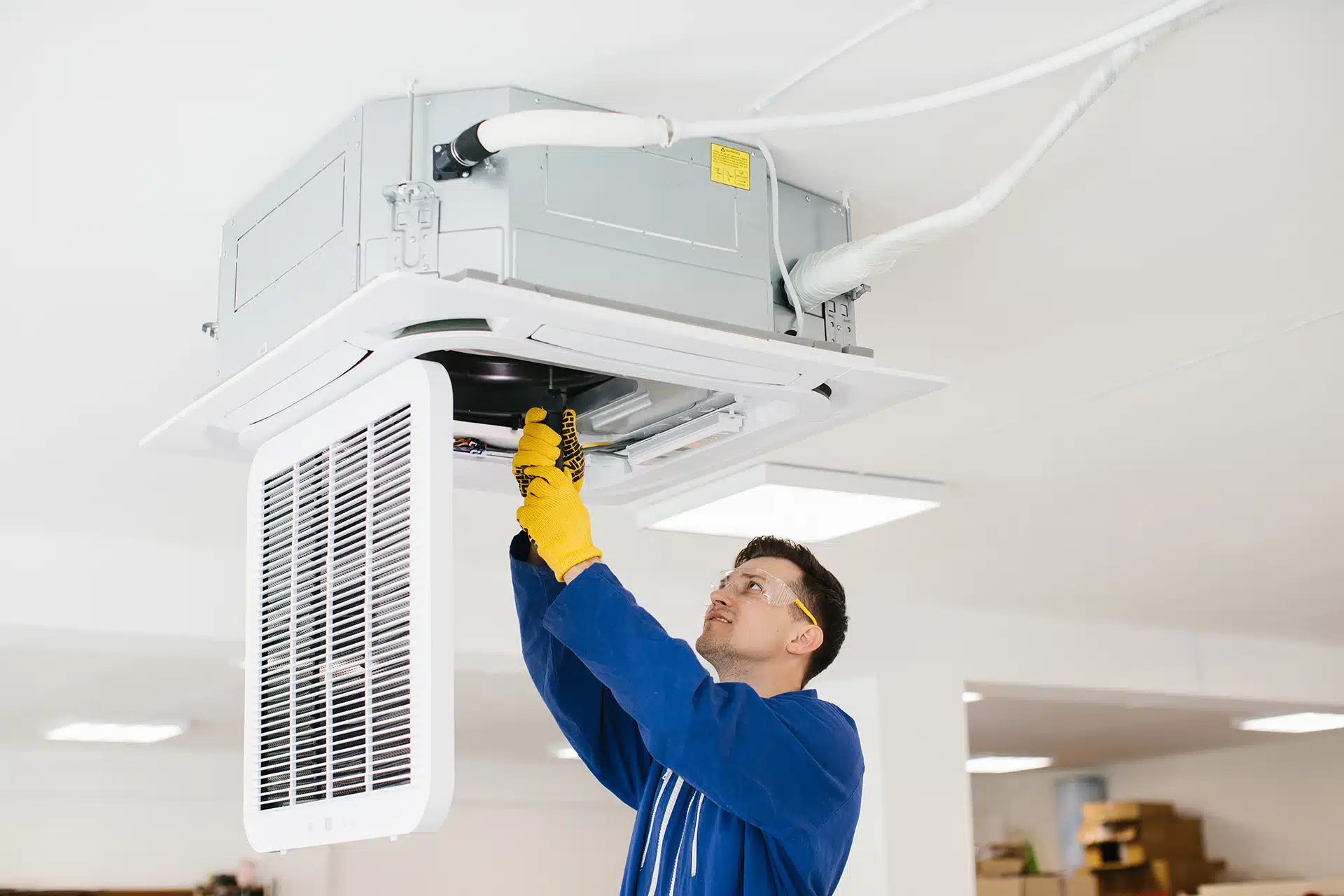
Condensation forms on AC ducts for the same reason a cold glass of water sweats on a hot summer day. When warm, humid air comes into contact with a cold surface, the moisture in the air condenses into liquid water. In Florida, where outdoor humidity levels regularly exceed 70 to 80 percent, this process is almost inevitable on any cold surface that is exposed to unconditioned air.
Your air conditioning ducts carry cold air at temperatures between 55 and 65 degrees Fahrenheit. When those ducts run through unconditioned spaces like attics, garages, or crawl spaces, they are surrounded by air that can be 90 degrees or hotter with extreme humidity. The temperature differential creates the perfect conditions for condensation to form on the exterior of the ductwork. In Melbourne and Palm Bay, where summer temperatures hover in the 90s for months on end, duct sweating is particularly severe.
Several factors can make the problem worse. Inadequate or damaged duct insulation is the most common culprit. Over time, insulation can sag, tear, or compress, leaving sections of the metal duct exposed to hot, humid attic air. Gaps at duct joints and connections allow conditioned air to leak out while also letting warm air make direct contact with cold duct surfaces. Poor attic ventilation traps hot, humid air around the ductwork, intensifying the condensation effect. Florida building codes require specific insulation R-values for ductwork, and many older homes in Brevard County do not meet current standards.
The Real Dangers of Duct Condensation
Sweating ducts are not just a minor inconvenience. The moisture they produce can cause serious damage to your home if left unaddressed. Water dripping from ductwork can saturate attic insulation, reducing its effectiveness and adding weight that can stress ceiling joists. Over time, persistent moisture leads to water stains on ceilings and walls, damaged drywall, and even structural wood rot.
Perhaps the most concerning consequence is mold growth. Florida’s warm, humid climate already creates ideal conditions for mold, and adding a constant source of moisture from sweating ducts makes the problem exponentially worse. Mold can grow on the exterior of ducts, on surrounding insulation, on wooden framing, and even inside the ductwork itself. Once mold establishes itself in your duct system, it can spread spores throughout your entire home every time the air conditioner runs, creating indoor air quality problems that affect your family’s health.
Duct condensation also signals energy waste. If ducts are sweating because of poor insulation or air leaks, your air conditioning system is working harder than it should to cool your home. The energy lost through uninsulated or leaking ducts can increase your cooling costs by 20 to 30 percent. In a region where air conditioning accounts for nearly half of annual energy costs, that is a significant amount of money going to waste. A professional AC inspection can identify exactly where your system is losing efficiency.
Trusted Resources: The U.S. Department of Energy estimates that duct losses can account for more than 30% of energy consumption for air conditioning. The ENERGY STAR recommends professional duct sealing to improve system efficiency.
Frequently Asked Questions
Can I troubleshoot ac duct sweating condensation myself before calling a technician?
You can perform basic checks like verifying your thermostat settings, checking the circuit breaker, inspecting the air filter, and ensuring vents are not blocked. However, if these steps do not resolve the issue, continuing to run the system could cause further damage. A licensed HVAC technician can diagnose the root cause safely and prevent costly repairs.
How urgent is it to address ac duct sweating condensation?
The urgency depends on the severity of the symptoms. Minor issues like unusual noises or slight temperature fluctuations may allow you to schedule a convenient appointment. However, water leaks, complete system failures, gas odors, or electrical problems require immediate professional attention. In Brevard County, FL, Inlet Mechanical offers prompt service — call (321) 723-0858.
How much does it cost to fix ac duct sweating condensation?
Repair costs vary depending on the specific cause, parts needed, and labor involved. Minor repairs such as replacing a capacitor or clearing a clog may cost $150 to $400, while major component replacements can range from $500 to $2,000 or more. A licensed technician will provide a detailed diagnosis and upfront quote before beginning any work.
How to Stop Duct Sweating for Good
The most effective solution for duct condensation is proper insulation. All ductwork running through unconditioned spaces should be wrapped with insulation rated to at least R-6, as required by the Florida Building Code for supply ducts. In particularly hot attic spaces, R-8 insulation provides an extra margin of protection. The insulation must be continuous with no gaps at joints, turns, or connections, and it should be sealed with foil tape or mastic to create a complete vapor barrier.
Sealing duct leaks is equally important. Even small gaps at joints and connections allow humid air to contact cold duct surfaces and let conditioned air escape. Professional duct sealing using mastic sealant or aerosol-based sealing technology can reduce duct leakage to minimal levels. This not only stops condensation but also improves the overall efficiency of your air conditioning system.
Improving attic ventilation helps reduce the temperature and humidity of the air surrounding your ducts. Proper soffit vents, ridge vents, and attic fans promote airflow that carries heat and moisture out of the attic space. In some cases, a radiant barrier installed under the roof decking can significantly reduce attic temperatures, giving your duct insulation a better chance of preventing condensation.
For homes with severely damaged or deteriorated ductwork, replacement may be the most cost-effective option. Modern flex duct and rigid duct systems come pre-insulated and are designed to resist the moisture problems that plague older installations. A qualified HVAC technician can evaluate your existing ductwork and recommend the most appropriate AC repair or replacement strategy for your home.
If your AC ducts are sweating, do not wait for mold or water damage to develop before taking action. Inlet Mechanical provides comprehensive duct inspection, insulation, sealing, and replacement services for homeowners throughout Melbourne, Palm Bay, and Brevard County. Our licensed HVAC technicians (FL License CMC1250858) will diagnose the cause of your condensation problem and deliver a lasting solution. Call (321) 723-0858 today to schedule your duct evaluation.
Related Reading
- How Ceiling Fans Help Your AC Work More Efficiently
- Best Indoor Air Quality Solutions for Florida Allergies
Also Read: Best Indoor Air Quality Solutions for Florida Allergies
Trust Inlet Mechanical for professional AC duct sweating and condensation services — serving Palm Bay, Melbourne, and greater Brevard County.
If ac duct sweating condensation is affecting comfort or efficiency, Inlet Mechanical can inspect the equipment, confirm the root issue, and recommend the most practical HVAC solution for your property.

Written & Reviewed By
Inlet Mechanical Team
The Inlet Mechanical team brings over 85 years of combined experience in HVAC, plumbing, and mechanical construction across Florida. Our licensed professionals hold Florida Mechanical HVAC License (CMC1250858) and Florida Plumbing License (CFC1433105), along with EPA Section 608 certifications. Based in Brevard County, we serve residential, commercial, and industrial clients with expert knowledge of Florida building codes, climate-specific HVAC solutions, and local plumbing requirements. Every article is reviewed by our licensed technicians to ensure accuracy and practical value for Melbourne-area homeowners and businesses.
Last Updated: March 22, 2026