
Florida homeowners often wonder whether HVAC maintenance agreement benefits in Florida justify the annual cost. When your air conditioner runs 8 to 12 months out of the year and endures extreme humidity, salt air along the coast, and frequent lightning storms, the answer for most Brevard County households is a clear yes. But understanding exactly what you get—and what to watch out for—helps you make a confident decision.
At Inlet Mechanical (HVAC License CMC1250858), we have served Melbourne, Palm Bay, and the surrounding areas for years, and we consistently see that homes with maintenance agreements have fewer emergency breakdowns and lower long-term HVAC costs. Here is a detailed breakdown of what these agreements include, what they cost, and how they pay for themselves in Florida’s demanding climate.
HVAC Maintenance Agreement Benefits Florida: What an HVAC Maintenance Agreement Typically Includes
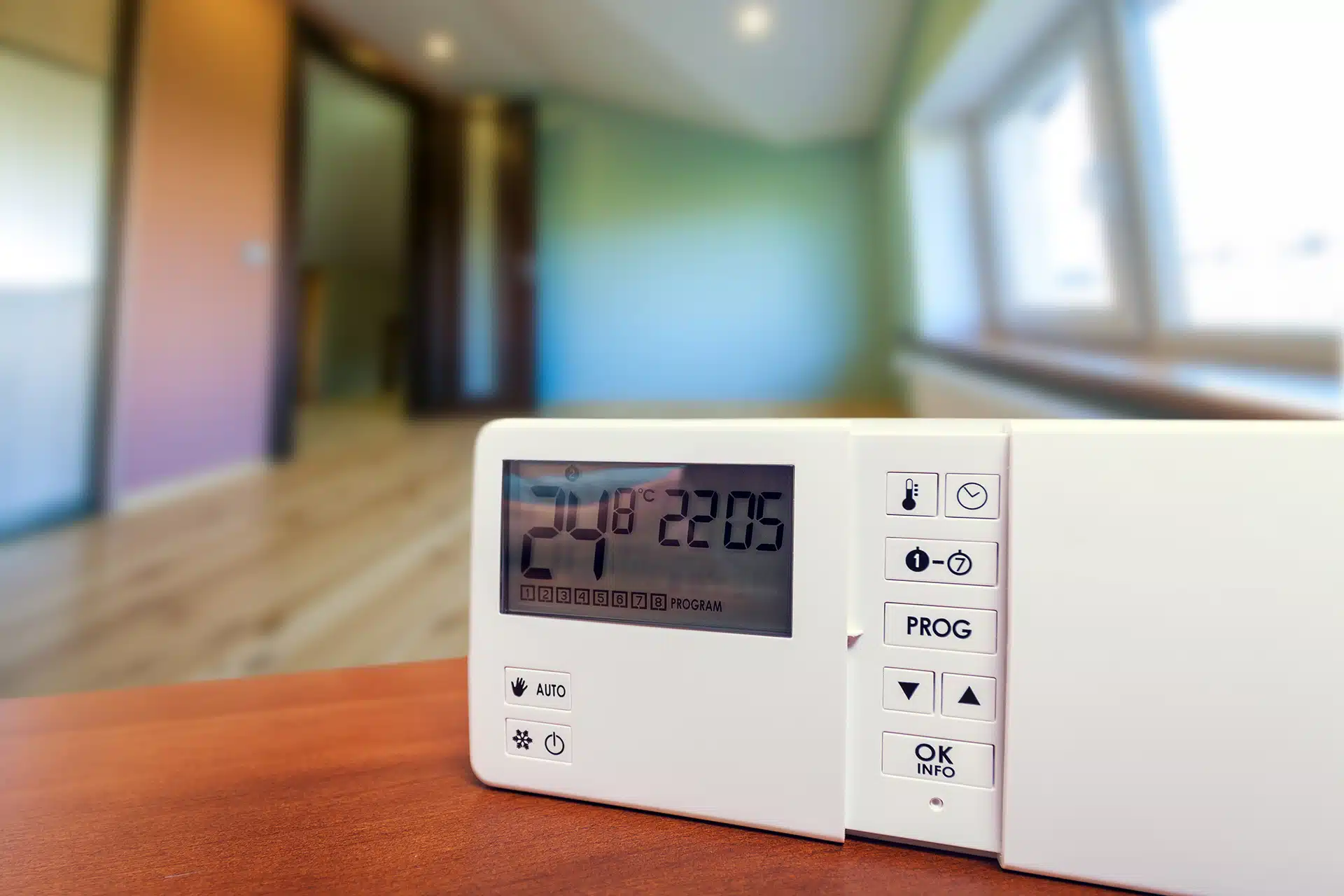
While every contractor structures their agreements differently, most reputable HVAC companies in Florida include the following:
- Two tune-ups per year. One before the cooling season (March or April) and one before heating season (October or November). Each visit includes a comprehensive inspection and cleaning of the indoor and outdoor units.
- Priority scheduling. Agreement customers typically jump to the front of the line during peak season. In July and August, when non-agreement customers may wait 2 to 5 days for a repair, agreement holders often get same-day or next-day service.
- Discounts on repairs. Most agreements include 10 to 20 percent off parts and labor for any repairs needed throughout the year.
- No overtime charges. Some agreements waive after-hours or weekend diagnostic fees, which can save $75 to $150 per visit.
- Refrigerant top-off. Some plans include a limited amount of refrigerant at no extra charge, though this varies by contractor.
During each tune-up, the technician will clean the evaporator and condenser coils, check refrigerant levels and pressures, test the capacitor and contactor, inspect electrical connections, clear the condensate drain line, verify thermostat calibration, check the blower motor amp draw, and inspect the ductwork for visible issues. Visit our residential HVAC services page for a full list of what our maintenance visits cover.
Why Maintenance Matters More in Florida Than Anywhere Else
The typical HVAC system in a northern state runs roughly 4 to 6 months of the year. In Brevard County, your air conditioner runs nearly year-round. That translates to roughly double the wear on every component, from the compressor to the contactor to the condensate drain.
Florida-specific factors that accelerate HVAC wear include:
- High humidity. Relative humidity in Melbourne and Palm Bay regularly exceeds 80 percent. Your AC removes moisture as well as heat, and the condensate system handles gallons of water daily. Clogged drain lines are the number one cause of AC-related water damage in Florida homes.
- Salt air corrosion. Homes within 15 miles of the coast (which includes most of Brevard County) experience accelerated corrosion on the outdoor condenser coil and cabinet. Regular cleaning slows this process.
- Lightning and power surges. Florida leads the nation in lightning strikes. Surges can damage capacitors, contactors, and control boards. A maintenance visit catches early signs of electrical damage before they cause a complete failure.
- Sand and debris. Florida’s sandy soil gets pulled into the outdoor unit, clogging the condenser coil and reducing airflow. A dirty condenser forces the compressor to work harder and run hotter, shortening its lifespan.
The U.S. Department of Energy reports that neglecting routine maintenance causes a steady decline in AC performance, with efficiency dropping 5 to 15 percent over time. In Florida, where cooling accounts for 40 to 50 percent of your electric bill, that efficiency loss translates to real dollars.
The Financial Case: Does a Maintenance Agreement Save Money?
A typical HVAC maintenance agreement in Florida costs $150 to $300 per year, depending on the scope. Here is how the math works out:
- Two tune-ups. If you paid for each visit individually, you would spend $89 to $150 per visit, or $178 to $300 per year. The agreement already pays for itself on tune-ups alone in many cases.
- Repair discount. The average AC repair in Florida costs $200 to $600. A 15 percent discount saves $30 to $90 per repair. Most systems need at least one repair per year after the 5-year mark.
- Energy savings. A well-maintained system runs 5 to 15 percent more efficiently. On a $200 monthly electric bill (common in Brevard County during summer), that is $10 to $30 per month, or $120 to $360 per year in savings.
- Extended equipment life. The average AC system lasts 10 to 15 years in Florida. Regular maintenance can push that toward the upper end, delaying a $5,000 to $12,000 replacement by several years.
Use our HVAC cost calculator to estimate your potential savings based on your system type and age.
What to Look for in a Good Maintenance Agreement
Not all maintenance agreements are equal. Here are key items to evaluate before signing:
- Written scope of work. The agreement should clearly list every task performed during each visit. Vague language like “general inspection” is a red flag.
- No cancellation penalties. You should be able to cancel without losing money beyond the services already rendered.
- Transferability. If you sell your home, a transferable agreement adds value for the buyer.
- Licensed contractor. Verify the company holds a valid Florida mechanical contractor license. You can check license status through the Florida DBPR website.
- Clear pricing for add-ons. Know what is included and what costs extra. Refrigerant, duct cleaning, and UV light maintenance are common add-on charges.
Frequently Asked Questions
Is a maintenance agreement the same as a home warranty?
No. A home warranty is an insurance-style product that covers repair or replacement costs when equipment fails. A maintenance agreement is a preventive care plan that includes scheduled tune-ups and service perks. They serve different purposes, and many homeowners carry both. The key difference is that a maintenance agreement focuses on preventing breakdowns, while a warranty covers costs after a breakdown occurs.
How often should HVAC maintenance be done in Florida?
Twice per year is the standard recommendation for Florida homes: once before cooling season and once before the brief heating season. Some homeowners with older systems or commercial properties opt for quarterly visits. At minimum, your system should be professionally serviced once per year, though twice is strongly preferred given the extended cooling season in Brevard County.
Will a maintenance agreement affect my manufacturer warranty?
Most HVAC manufacturers require proof of regular maintenance to honor warranty claims. If your system fails and you file a warranty claim, the manufacturer may ask for maintenance records. Without them, the claim could be denied. A maintenance agreement provides documented proof that your system was serviced on schedule, protecting your warranty coverage.
Understanding the HVAC maintenance agreement benefits in Florida comes down to simple math and peace of mind. If you are ready to protect your system and your budget, call Inlet Mechanical at (321) 723-0858 or reach out online to learn about our maintenance plans for Melbourne, Palm Bay, and all of Brevard County.
Related Reading
- AC Contactor Problems: Signs You Need a Replacement
- When to Call an HVAC Technician vs DIY Troubleshooting
Also Read: When to Call an HVAC Technician vs DIY Troubleshooting
Inlet Mechanical’s licensed technicians provide trusted HVAC maintenance agreement benefits in Florida services throughout Brevard County.
If hvac maintenance agreement benefits florida is affecting comfort or efficiency, Inlet Mechanical can inspect the equipment, confirm the root issue, and recommend the most practical HVAC solution for your property.

Written & Reviewed By
Inlet Mechanical Team
The Inlet Mechanical team brings over 85 years of combined experience in HVAC, plumbing, and mechanical construction across Florida. Our licensed professionals hold Florida Mechanical HVAC License (CMC1250858) and Florida Plumbing License (CFC1433105), along with EPA Section 608 certifications. Based in Brevard County, we serve residential, commercial, and industrial clients with expert knowledge of Florida building codes, climate-specific HVAC solutions, and local plumbing requirements. Every article is reviewed by our licensed technicians to ensure accuracy and practical value for Melbourne-area homeowners and businesses.
Last Updated: March 22, 2026