
Your air conditioner relies on dozens of components working together, and the contactor is one of the most critical. If you have noticed ac contactor replacement signs such as buzzing sounds, short cycling, or your system refusing to start, the contactor may be failing. Recognizing these warning signs early can save you from a complete system breakdown during the hottest months in Melbourne and Palm Bay, FL.
When you need it done right, we provide AC and heating service in Melbourne, FL with quality workmanship.
At Inlet Mechanical, our licensed HVAC technicians (License CMC1250858) diagnose and replace faulty contactors every week across Brevard County. Below, we explain what a contactor does, the symptoms of failure, and what to expect during a replacement.
AC Contactor Replacement Signs: What Is an AC Contactor and Why Does It Matter?
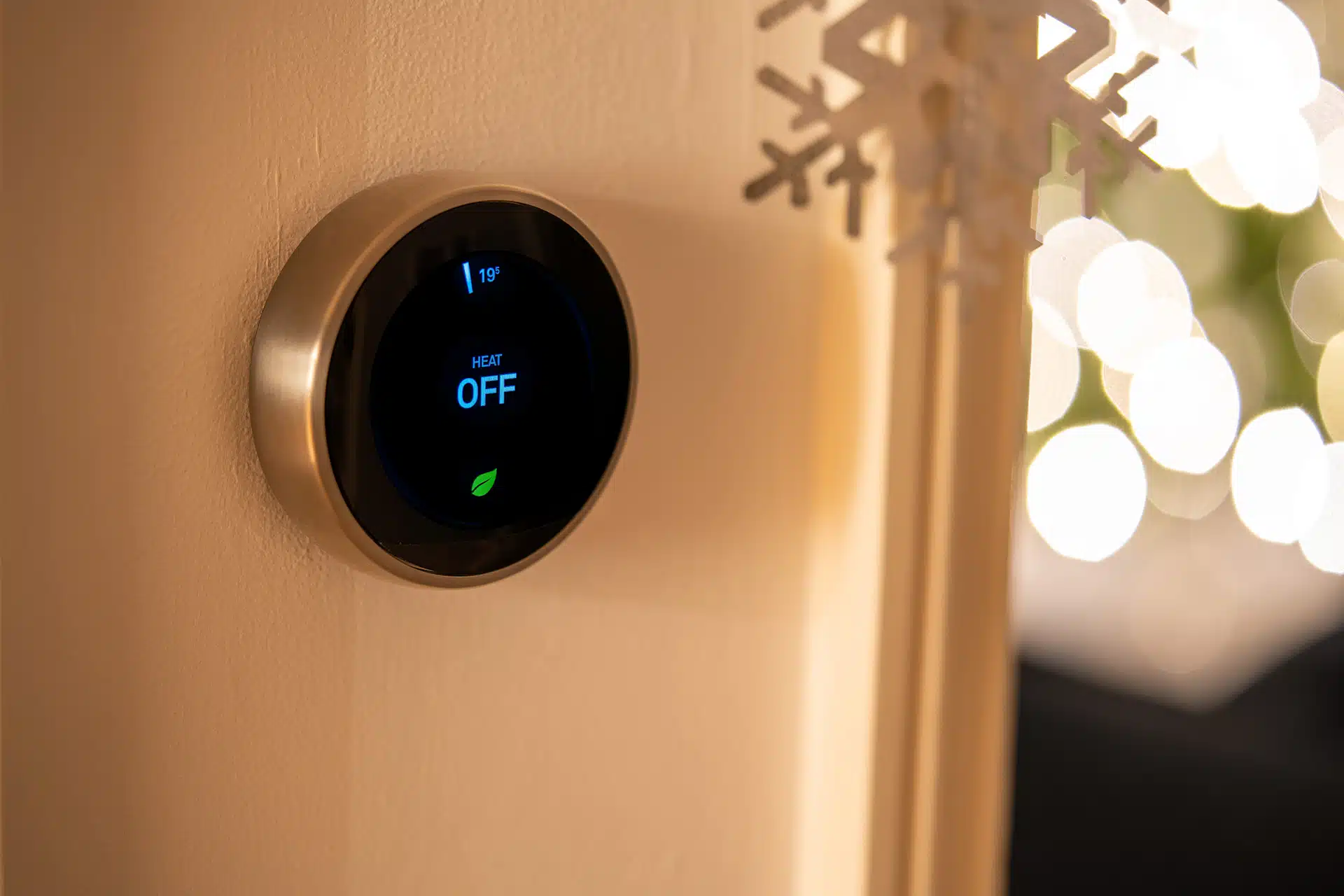
An AC contactor is an electrically controlled switch located inside your outdoor condensing unit. When your thermostat calls for cooling, it sends a low-voltage signal to the contactor, which closes and allows high-voltage electricity to flow to the compressor and condenser fan motor. Think of it as a gatekeeper that controls whether your air conditioner actually turns on.
In Florida, contactors endure extreme workloads. Your AC may run 10 to 16 hours per day during the summer, and each cooling cycle activates the contactor. Over time, the electrical contacts inside can pit, weld together, or burn out entirely. Ants are another common culprit in Brevard County—they are attracted to the electrical field and can build colonies inside the unit, jamming the contactor mechanism.
Warning Signs Your AC Contactor Needs Replacement
Need help with AC & heating?
Inlet Mechanical’s licensed techs serve Brevard & Indian River with fast, dependable service and free estimates.
Not every AC issue points to the contactor, but several symptoms are strong indicators:
- Loud buzzing or humming from the outdoor unit. A healthy contactor closes quietly. Buzzing usually means the electromagnetic coil is trying to pull the contacts closed but cannot complete the connection. This is one of the earliest and most recognizable signs.
- AC will not turn on at all. If the thermostat is calling for cooling but the outdoor unit stays silent, the contactor may have an open circuit. The electrical path is broken, so no power reaches the compressor or fan.
- AC runs continuously and will not shut off. Contacts can weld together from electrical arcing. When this happens, high-voltage power flows to the compressor even when the thermostat is not calling for cooling. This wastes energy and puts severe stress on the compressor.
- Short cycling. If the AC starts, runs for a few minutes, shuts off, and then restarts repeatedly, the contactor may be making intermittent contact. Pitted or corroded contact surfaces can cause this unreliable connection.
- Visible pitting, burn marks, or melting. During a maintenance visit, a technician can inspect the contactor visually. Black pitting on the contact surfaces, melted plastic housing, or discolored wiring are all signs of electrical damage.
If you notice any of these problems, schedule an AC repair in Melbourne, FL before the issue escalates to compressor damage.
What Causes a Contactor to Fail?
Several factors contribute to contactor failure in Florida homes:
- Normal wear and tear. Contactors are rated for a certain number of cycles. Most residential contactors last 5 to 10 years depending on usage, and Florida systems cycle far more often than those in cooler climates.
- Power surges. Lightning strikes are a regular occurrence in Brevard County during summer storm season. Even indirect strikes can send voltage spikes through your electrical panel that damage the contactor coil.
- Ant infestations. Fire ants and other species short-circuit the contactor by bridging electrical connections with their bodies. This is a Florida-specific problem that technicians encounter frequently.
- Voltage issues. Low voltage from the thermostat wire or unstable incoming power can cause the contactor to chatter rather than close firmly, accelerating wear.
According to ENERGY STAR, regular maintenance is the single most effective way to extend the life of AC components, including contactors.
What Happens During a Contactor Replacement?
Replacing a contactor is a straightforward repair for a licensed technician, but it should never be attempted as a DIY project. The outdoor unit contains high-voltage wiring that can cause serious injury or death.
Here is what to expect:
- Diagnosis. The technician will use a multimeter to test the contactor coil for continuity and check the contact surfaces for resistance. They will also inspect for secondary issues that may have caused the failure.
- Power disconnection. The electrical disconnect at the outdoor unit and the breaker at the panel are both turned off before any work begins.
- Replacement. The old contactor is removed and replaced with a new one rated for your system’s amperage and voltage. Wiring connections are secured and tested.
- System test. The technician restores power and runs a full cooling cycle to verify proper operation, checking amp draw on the compressor and fan motor.
The entire process typically takes 30 to 60 minutes. Use our HVAC cost calculator to estimate what your repair may cost based on your system type and the scope of work.
AC contactor replacement is one of those repairs that looks minor on paper but can leave a system completely dead when the part finally fails — the contactor is what actually switches the compressor and condenser fan on when your thermostat calls for cooling. Inlet Mechanical stocks contactors for most major brands and can swap one out before the next cooling cycle rolls around.
Frequently Asked Questions
How much does it cost to replace an AC contactor in Florida?
A contactor replacement in Brevard County typically costs between $150 and $350, including parts and labor. The contactor part itself is relatively inexpensive ($20 to $60), but professional installation ensures the correct rating and safe wiring. If additional damage is found, such as a burned wire or damaged capacitor, the total may be higher.
Can I replace the AC contactor myself?
We strongly advise against it. The outdoor condensing unit operates on 240-volt power, which is lethal. Even with the disconnect pulled, capacitors inside the unit can store a dangerous charge. A licensed HVAC technician has the training, tools, and insurance to perform this repair safely. In Florida, any HVAC repair that involves electrical components should be handled by a contractor with an active mechanical license.
How long does an AC contactor last?
Most residential AC contactors last between 5 and 10 years. In Florida, where systems run for extended hours during the cooling season (roughly March through November), contactors tend to wear out closer to the 5-year mark. Annual maintenance that includes a contactor inspection can catch early signs of failure before you lose cooling on a 95-degree day.
If you are experiencing any ac contactor replacement signs such as buzzing, short cycling, or a system that refuses to start, do not wait for a complete breakdown. Call Inlet Mechanical at (321) 723-0858 or contact us online to schedule a diagnosis. Our licensed technicians serve Melbourne, Palm Bay, and all of Brevard County, FL.
Related Reading
- Heat Pump vs AC in Florida: What Melbourne Homeowners Should Know
- Are HVAC Maintenance Agreements Worth It in Florida?
Also Read: Are HVAC Maintenance Agreements Worth It in Florida?
If ac contactor replacement signs is affecting comfort or efficiency, Inlet Mechanical can inspect the equipment, confirm the root issue, and recommend the most practical HVAC solution for your property.
Talk to a Licensed Inlet Mechanical Pro
Whether it’s a repair, an upgrade, or a question, our team is ready to help homeowners and businesses across Brevard & Indian River County.
Licensed FL Mechanical (CMC1250858) · 85+ years combined experience · Free, no-obligation estimates
Written & Reviewed By
Inlet Mechanical Team
The Inlet Mechanical team brings over 85 years of combined experience in HVAC, plumbing, and mechanical construction across Florida. Our licensed professionals hold Florida Mechanical HVAC License (CMC1250858) and Florida Plumbing License (CFC1433105), along with EPA Section 608 certifications. Based in Brevard County, we serve residential, commercial, and industrial clients with expert knowledge of Florida building codes, climate-specific HVAC solutions, and local plumbing requirements. Every article is reviewed by our licensed technicians to ensure accuracy and practical value for Melbourne-area homeowners and businesses.
Last Updated: July 28, 2026