
whole house vs point of use water heater becomes easier to plan when Brevard County homeowners understand the warning signs, the likely repair path, and when a licensed plumber should step in.
Choosing the right water heating system for your Melbourne FL home involves more than picking the biggest tank available. Today, homeowners have the option of traditional whole-house water heaters that supply hot water to every fixture, or point-of-use systems that heat water at or near the location where it is needed. Understanding the differences between these two approaches helps you make an informed decision that balances comfort, efficiency, and cost for your specific situation.
In Brevard County, water heating typically accounts for 15 to 20 percent of a household energy bill. With Florida electricity rates continuing to climb, the choice between whole-house and point-of-use water heating can have a meaningful impact on your monthly expenses. Both systems have legitimate advantages, and the best choice depends on your home layout, family size, hot water usage patterns, and budget.
Whole House vs Point of Use Water Heater: How Whole-House Water Heaters Work
Whole-house water heaters are the traditional approach to residential hot water. These systems, whether tank-based or tankless, provide hot water to every fixture in your home from a single central location. The heated water travels through your plumbing pipes to reach each faucet, shower, and appliance that requires it.
Tank-based whole-house heaters store a reservoir of hot water, typically 40 to 80 gallons, that is available on demand. The advantage of a tank system is its ability to deliver a large volume of hot water simultaneously to multiple fixtures. A family of four can run the dishwasher, take a shower, and wash hands at the kitchen sink all at the same time without noticeable temperature fluctuations, provided the tank is properly sized.
The primary disadvantage of tank systems is standby heat loss. The water heater must keep the entire tank at temperature 24 hours a day, even during hours when no hot water is being used. In Florida, where ambient temperatures in garages and utility rooms are relatively warm, standby losses are somewhat lower than in colder climates, but they still represent wasted energy.
Whole-house tankless water heaters eliminate standby heat loss by heating water only when a fixture is opened. Water flows through a heat exchanger that raises its temperature to the set point as it passes through. Tankless systems provide an essentially unlimited supply of hot water as long as you do not exceed their flow rate capacity. However, they have a maximum flow rate, typically 3 to 5 gallons per minute for electric models, which may not be sufficient for simultaneous heavy usage in larger homes.
How Point-of-Use Water Heaters Work
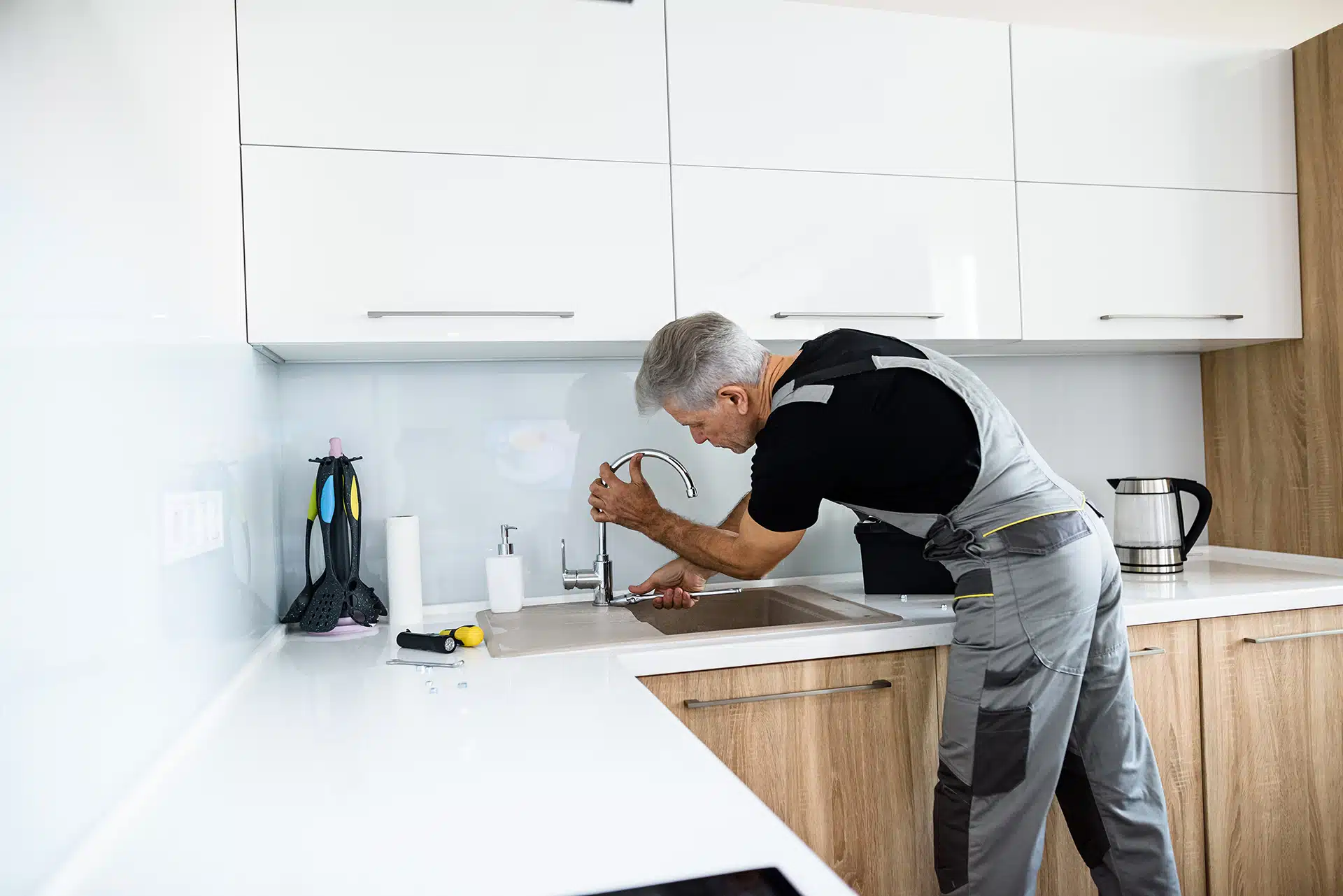
Point-of-use water heaters are compact units installed directly at or near the fixture they serve. These small units can be mounted under a kitchen sink, in a bathroom vanity cabinet, or in a utility closet near a washing machine. Each point-of-use heater serves only one or two nearby fixtures.
The primary advantage of point-of-use systems is the elimination of heat loss in the pipes between the water heater and the fixture. In many Melbourne FL homes, the water heater is located in the garage or a utility closet at one end of the house, while bathrooms and kitchens may be 30 to 50 feet away. The hot water sitting in those pipes cools off between uses, and every time you turn on a hot water faucet, you have to wait for the cooled water to be flushed out before hot water arrives. This wasted water and wasted energy can be significant over time.
Point-of-use heaters deliver hot water almost instantly because they are located right where the water is needed. This saves water, reduces energy waste, and provides a better user experience. For fixtures that are far from the main water heater, such as a guest bathroom or a detached garage sink, a point-of-use heater can be more practical and efficient than extending plumbing from the central system.
Small tank point-of-use heaters, typically 2.5 to 6 gallons, are ideal for applications like handwashing sinks where the demand is intermittent and low-volume. Tankless point-of-use heaters work well for single fixtures with higher demand, like a shower or kitchen sink.
Trusted Resources: The U.S. Department of Energy compares water heater types and their long-term energy costs for homeowners. The ENERGY STAR certifies energy-efficient water heaters that can save hundreds per year on utility bills.
Frequently Asked Questions
What should I look for when evaluating whole house vs point of use water heater?
Key factors to consider include energy efficiency ratings (SEER2 for AC systems), the size and capacity appropriate for your space, brand reliability and warranty coverage, and compatibility with your existing system. In Brevard County, FL, it is especially important to choose equipment rated for high-humidity environments and salt air exposure if you are near the coast.
Should I get a professional opinion on whole house vs point of use water heater?
Yes, consulting a licensed plumbing professional ensures you choose the right option for your specific home or building. A technician can perform a load calculation, assess your existing infrastructure, and recommend equipment that provides optimal comfort and efficiency. Call Inlet Mechanical at (321) 723-0858 for a consultation.
How long does whole house vs point of use water heater typically last?
Equipment lifespan varies by type and maintenance habits. In Florida’s demanding climate, AC systems typically last 10 to 15 years, heat pumps 12 to 15 years, water heaters 8 to 12 years, and plumbing fixtures 15 to 20 years. Regular professional maintenance extends lifespan and ensures peak performance throughout the equipment’s service life.
Which System Is Right for Your Brevard County Home
The best water heating strategy often combines elements of both approaches. A whole-house system remains the primary water heater, providing hot water to the majority of fixtures through the central plumbing system. Point-of-use units supplement the main system at fixtures that are far from the central heater or that have specific hot water demands.
For a typical Melbourne FL home with a standard layout, a properly sized whole-house water heater is usually sufficient. However, if your home has a master bathroom that is more than 40 feet from the water heater, or if you have a pool bathroom, outdoor kitchen, or workshop that requires hot water, adding a point-of-use heater at those locations can improve convenience and reduce water waste.
Installation costs vary significantly between the two approaches. A whole-house tank water heater replacement typically costs less upfront but serves the entire home. Individual point-of-use units are less expensive per unit, but outfitting an entire home with point-of-use heaters quickly becomes cost-prohibitive and creates multiple points of potential failure.
Energy efficiency comparisons depend heavily on your specific home and usage patterns. A licensed plumber in Melbourne FL can evaluate your home layout, analyze your hot water usage patterns, and recommend the most cost-effective water heating strategy for your situation.
Whether you need a new whole-house water heater, a point-of-use supplement, or advice on the best system for your home, contact Inlet Mechanical at (321) 723-0858. Our licensed plumbers (FL License CFC1433105) help Melbourne FL, Palm Bay, and Brevard County homeowners choose and install the right water heating solutions. Contact us today for a consultation.
Related Reading
- Kitchen Remodel Plumbing Considerations in Palm Bay
- Sewer Camera Inspection: When and Why You Need One
Also Read: Sewer Camera Inspection: When and Why You Need One
From whole-house vs. point-of-use water heaters to emergency repairs, Inlet Mechanical has Palm Bay and Melbourne covered.
If whole house vs point of use water heater is starting to affect your home, Inlet Mechanical can inspect the plumbing, confirm the cause, and recommend the most practical next step before the repair grows.

Written & Reviewed By
Inlet Mechanical Team
The Inlet Mechanical team brings over 85 years of combined experience in HVAC, plumbing, and mechanical construction across Florida. Our licensed professionals hold Florida Mechanical HVAC License (CMC1250858) and Florida Plumbing License (CFC1433105), along with EPA Section 608 certifications. Based in Brevard County, we serve residential, commercial, and industrial clients with expert knowledge of Florida building codes, climate-specific HVAC solutions, and local plumbing requirements. Every article is reviewed by our licensed technicians to ensure accuracy and practical value for Melbourne-area homeowners and businesses.
Last Updated: March 22, 2026