
AC refrigerant leaks are among the most common and costly problems that Florida homeowners face. In Melbourne FL, Palm Bay, and throughout Brevard County, the combination of high humidity, salt air, and year-round system usage creates conditions that accelerate refrigerant line deterioration. Understanding what causes these leaks can help you detect them early and prevent expensive compressor damage.
Refrigerant is the lifeblood of your air conditioning system. It cycles between the indoor evaporator coil and the outdoor condenser, absorbing heat from inside your home and releasing it outdoors. When refrigerant levels drop due to a leak, your system loses its ability to cool effectively, and the compressor must work harder to compensate. This increased strain can lead to compressor failure, which is often the most expensive AC repair a homeowner will face.
AC Refrigerant Leak Causes Florida: Common Causes of Refrigerant Leaks in Florida
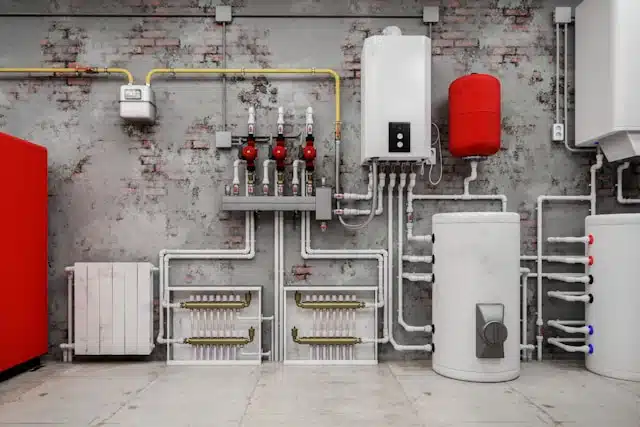
The Florida climate is uniquely harsh on HVAC systems, and several factors contribute to refrigerant leaks that may not be as prevalent in other parts of the country.
Corrosion is the leading cause of refrigerant leaks in Brevard County homes. The copper tubing used in evaporator and condenser coils is susceptible to formic acid corrosion. This occurs when volatile organic compounds from household products like cleaning supplies, paints, and adhesives interact with moisture on the coil surface. In Florida, where humidity levels regularly exceed 70 percent, the conditions for this type of corrosion are nearly constant.
Salt air corrosion is another significant factor for Melbourne FL and other coastal Brevard County communities. Homes within 10 to 15 miles of the Atlantic Ocean are exposed to salt-laden air that attacks the aluminum fins and copper tubing of the outdoor condenser unit. Over time, this salt exposure creates pinholes in the refrigerant lines that allow slow leaks. Coastal homeowners should consider investing in condenser units with corrosion-resistant coatings or salt-spray rated components.
Vibration damage occurs when the normal operation of your AC system causes micro-fractures at connection points and joints in the refrigerant lines. Every time your compressor starts and stops, it creates vibration that stresses the copper tubing. In Florida, where AC systems cycle frequently throughout the long cooling season, this repeated stress accumulates faster than in states with shorter summers. Vibration-related leaks often occur at brazed joints, flare fittings, and service valve connections.
Physical damage to refrigerant lines can result from lawn equipment striking the outdoor unit, storm debris, or even pest activity. In Brevard County, raccoons and other wildlife occasionally damage exposed refrigerant lines on outdoor units. Fallen tree limbs during tropical storms can also bend or puncture refrigerant tubing. Regular visual inspections of your outdoor unit can help you catch physical damage before it leads to a significant refrigerant loss.
How to Detect a Refrigerant Leak
Refrigerant leaks can be subtle, especially in the early stages. Knowing the signs allows you to seek professional AC repair in Melbourne FL before the problem escalates into a major system failure.
Reduced cooling performance is often the first noticeable symptom. If your home feels warmer than usual even though the thermostat is set correctly and the system is running, low refrigerant could be the cause. You may notice that certain rooms are not cooling as well as others, or that the air coming from your vents feels less cold than it normally does.
Ice formation on the evaporator coil or refrigerant lines is a telltale sign of low refrigerant. When there is not enough refrigerant in the system, the evaporator coil gets too cold and causes moisture in the air to freeze on its surface. If you see ice on the indoor coil or on the copper lines running to the outdoor unit, turn off your system and call a technician immediately. Running the system with a frozen coil can cause liquid refrigerant to reach the compressor, resulting in severe damage.
A hissing or bubbling sound near the indoor or outdoor unit can indicate a refrigerant leak. Hissing suggests gas escaping through a small opening, while bubbling sounds typically occur when air enters the system through a leak in the low-pressure side.
Higher-than-normal electricity bills can also point to a refrigerant leak. As the system struggles to maintain your desired temperature with insufficient refrigerant, it runs longer and consumes more electricity. If you notice a sudden or gradual increase in your cooling costs without a corresponding change in usage patterns, have your refrigerant levels checked.
Trusted Resources: The U.S. Environmental Protection Agency regulates refrigerant use under the Significant New Alternatives Policy (SNAP) program. The U.S. Department of Energy provides guidance on modern refrigerant options and efficiency standards.
Frequently Asked Questions
Can I troubleshoot ac refrigerant leak causes florida myself before calling a technician?
You can perform basic checks like verifying your thermostat settings, checking the circuit breaker, inspecting the air filter, and ensuring vents are not blocked. However, if these steps do not resolve the issue, continuing to run the system could cause further damage. A licensed HVAC technician can diagnose the root cause safely and prevent costly repairs.
How urgent is it to address ac refrigerant leak causes florida?
The urgency depends on the severity of the symptoms. Minor issues like unusual noises or slight temperature fluctuations may allow you to schedule a convenient appointment. However, water leaks, complete system failures, gas odors, or electrical problems require immediate professional attention. In Brevard County, FL, Inlet Mechanical offers prompt service — call (321) 723-0858.
How much does it cost to fix ac refrigerant leak causes florida?
Repair costs vary depending on the specific cause, parts needed, and labor involved. Minor repairs such as replacing a capacitor or clearing a clog may cost $150 to $400, while major component replacements can range from $500 to $2,000 or more. A licensed technician will provide a detailed diagnosis and upfront quote before beginning any work.
Prevention and Repair Options
Preventing refrigerant leaks starts with regular professional maintenance. During a routine AC service appointment, your technician will check refrigerant levels, inspect coils for signs of corrosion, and examine all connections for potential leak points. Catching a developing problem early is always more affordable than dealing with a complete refrigerant loss and potential compressor damage.
If a leak is detected, your technician will use electronic leak detectors, UV dye, or nitrogen pressure testing to pinpoint the exact location. Small leaks in accessible locations can often be repaired by brazing or replacing the affected section of tubing. However, if the leak is in the evaporator coil itself and the coil shows widespread corrosion, replacement of the entire coil may be the more cost-effective long-term solution.
It is important to understand that simply adding more refrigerant without repairing the leak is not a proper fix. This approach wastes money, harms the environment, and leaves the underlying problem unresolved. A reputable HVAC company will always locate and repair the leak before recharging your system.
Florida homeowners in Melbourne, Palm Bay, and Cocoa FL should schedule annual AC maintenance to catch refrigerant leaks and other developing issues before they lead to costly breakdowns. Contact Inlet Mechanical at (321) 723-0858 for professional leak detection and AC repair. Our licensed technicians (FL License CMC1250858) have the tools and expertise to keep your cooling system running efficiently all year long. Request your AC inspection today.
Related Reading
- Spring AC Tune-Up: Why March Is the Best Time in Florida
- How to Prepare Your AC for Florida’s Hot Season
Also Read: How to Prepare Your AC for Florida's Hot Season
From AC refrigerant leak causes in Florida to emergency repairs, Inlet Mechanical has Palm Bay and Melbourne covered.
If ac refrigerant leak causes florida is affecting comfort or efficiency, Inlet Mechanical can inspect the equipment, confirm the root issue, and recommend the most practical HVAC solution for your property.

Written & Reviewed By
Inlet Mechanical Team
The Inlet Mechanical team brings over 85 years of combined experience in HVAC, plumbing, and mechanical construction across Florida. Our licensed professionals hold Florida Mechanical HVAC License (CMC1250858) and Florida Plumbing License (CFC1433105), along with EPA Section 608 certifications. Based in Brevard County, we serve residential, commercial, and industrial clients with expert knowledge of Florida building codes, climate-specific HVAC solutions, and local plumbing requirements. Every article is reviewed by our licensed technicians to ensure accuracy and practical value for Melbourne-area homeowners and businesses.
Last Updated: March 22, 2026