
Inside every tank-style water heater sits a metal rod that most homeowners never think about, yet this single component is the primary defense against tank corrosion and premature water heater failure. The anode rod, sometimes called a sacrificial rod, is designed to corrode in place of the steel tank itself. When this rod deteriorates beyond its useful life, your water heater tank becomes vulnerable to rust and leaks that can lead to catastrophic failure and water damage.
For homeowners in Melbourne FL, Palm Bay, and throughout Brevard County, understanding water heater anode rod replacement is especially important. Florida water conditions accelerate anode rod deterioration, making regular inspection and timely replacement critical for protecting your investment.
Water Heater Anode Rod Replacement: How Anode Rods Protect Your Water Heater
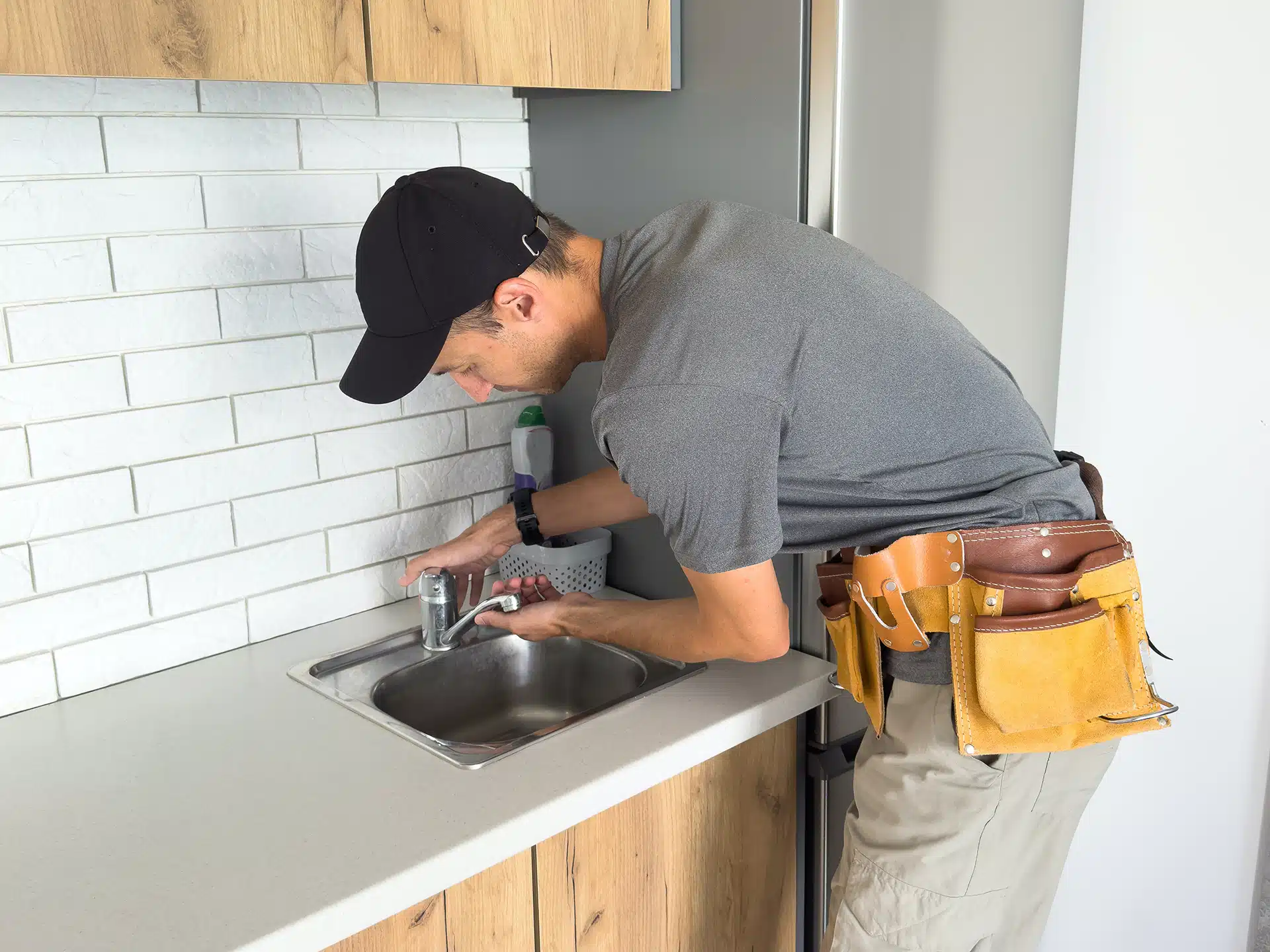
Water heater tanks are made of steel, which is naturally prone to rust when exposed to water. To combat this, manufacturers line the interior with a glass or enamel coating. However, this coating inevitably develops tiny cracks and imperfections over time, exposing the bare steel underneath to water contact. Without additional protection, the exposed steel would begin corroding immediately.
Not sure what it will cost? Use our free plumbing cost estimator to get an instant estimate for your Brevard County home.
The anode rod provides this additional protection through a process called galvanic corrosion. The rod is made from a metal that is more reactive than steel, typically magnesium, aluminum, or zinc. When the rod is submerged in the water inside your tank, an electrochemical reaction causes the anode rod to corrode preferentially instead of the steel tank. In essence, the rod sacrifices itself to protect the tank, which is why it is called a sacrificial anode.
Magnesium anode rods are the most common type and work well in most water conditions. They corrode faster than aluminum rods, providing more aggressive protection but requiring more frequent replacement. Aluminum and aluminum-zinc alloy rods last longer and are recommended for homes with very hard water or water that has a sulfur smell. In parts of Brevard County where well water has high mineral content or a rotten egg odor, an aluminum-zinc rod can reduce the sulfur smell while still protecting the tank.
Powered anode rods, also called impressed current rods, use a small electrical current to protect the tank without sacrificing rod material. These titanium rods do not corrode and never need replacement, making them an attractive option for homeowners tired of periodic anode rod maintenance. While more expensive initially, they can be cost-effective over the life of the water heater.
When to Replace Your Anode Rod in Florida
Most water heater manufacturers recommend inspecting the anode rod every two to three years and replacing it when more than 50 percent of the rod has corroded away. In Florida, where water temperatures are naturally warmer and mineral content can be high, many plumbing professionals recommend annual inspection, especially for homes with well water.
Several signs indicate your anode rod may need replacement. Hot water with a rotten egg smell often means the magnesium anode rod is reacting with bacteria in the water, producing hydrogen sulfide gas. While switching to an aluminum-zinc rod can address this issue, a professional plumber in Melbourne FL should evaluate the situation to rule out other causes.
Rusty or discolored hot water, particularly when the cold water runs clear, can indicate that the anode rod is fully depleted and tank corrosion has begun. If caught early enough, replacing the anode rod can halt the corrosion process and extend the tank life. However, if the tank itself has already developed significant rust, replacement of the entire water heater may be necessary.
Popping, cracking, or rumbling sounds from your water heater can result from sediment buildup on the tank bottom, which is related to anode rod deterioration. As the rod corrodes, the byproducts settle to the bottom of the tank and mix with minerals from the water supply. This sediment layer insulates the tank bottom from the burner or heating element, causing overheating and the characteristic popping sounds. Flushing the tank and replacing the anode rod addresses both issues.
If your water heater is more than five years old and you have never had the anode rod inspected, scheduling an evaluation promptly is wise. The rod may already be depleted, leaving your tank unprotected against corrosion. The cost of an anode rod replacement is a fraction of what a new water heater costs, making it one of the most cost-effective plumbing maintenance tasks available.
Trusted Resources: The U.S. Department of Energy compares water heater types and their long-term energy costs for homeowners. The ENERGY STAR certifies energy-efficient water heaters that can save hundreds per year on utility bills.
Frequently Asked Questions
How long does water heater anode rod replacement take?
Most residential installations are completed in one day, though complex projects involving ductwork modifications, piping reroutes, or permit inspections may extend to two or three days. Commercial projects can take longer depending on scope. Your Inlet Mechanical technician will provide a timeline estimate before work begins.
Do I need a permit for water heater anode rod replacement in Brevard County, FL?
Florida building codes require permits for most plumbing installations and replacements. This includes AC systems, water heaters, gas lines, and significant plumbing work. Inlet Mechanical handles the permitting process as part of every installation project (FL HVAC License CMC1250858, FL Plumbing License CFC1433105).
What is the expected lifespan after water heater anode rod replacement?
Newly installed equipment typically provides 10 to 20 years of service depending on the type, with proper maintenance. Florida’s heat, humidity, and coastal salt air can reduce lifespan by 2 to 3 years compared to milder climates, making regular maintenance especially important. Inlet Mechanical offers preventive maintenance plans to maximize your investment.
Professional Anode Rod Replacement Process
While some handy homeowners attempt anode rod replacement themselves, several factors make professional service the better choice for most people. The rod is threaded into the top of the water heater and can be extremely difficult to remove after years of corrosion and mineral buildup. Specialized tools and significant force are often required, and improper removal attempts can damage the tank fitting.
Access is another challenge. Many water heaters in Melbourne and Palm Bay homes are installed in tight closets, garages, or attic spaces with limited overhead clearance. Standard anode rods are three to four feet long, requiring enough vertical space above the water heater to fully extract the old rod. Flexible or segmented anode rods are available for installations with limited clearance, but proper selection requires knowing the specific tank dimensions and fitting size.
A professional plumber can combine anode rod replacement with a thorough tank flush to remove accumulated sediment. This combination service maximizes the benefit of the new rod and improves water heater efficiency. Your plumber can also inspect the temperature and pressure relief valve, check the burner or heating element performance, and evaluate the overall condition of the unit.
For homes in Brevard County with particularly hard or mineral-rich water, your plumber may recommend a water softener or whole-house filtration system to reduce the rate of anode rod consumption and protect all your plumbing fixtures and appliances from scale buildup.
Protecting your water heater with regular anode rod maintenance is one of the smartest investments a Florida homeowner can make. A properly maintained water heater can last 12 to 15 years, while a neglected one may fail in as few as 6 to 8 years. For anode rod inspection, replacement, or any plumbing service in Melbourne FL, Palm Bay, or Brevard County, contact Inlet Mechanical today. Our licensed plumbers (FL License CFC1433105) provide thorough, professional water heater service. Call (321) 723-0858 to schedule your appointment.
Related Reading
Also Read: How Re-piping Works and What to Expect in Florida
Whether you need help with water heater anode rod replacement, the licensed plumbers at Inlet Mechanical serve Palm Bay, Melbourne, and all of Brevard County.

Written & Reviewed By
Inlet Mechanical Team
The Inlet Mechanical team brings over 85 years of combined experience in HVAC, plumbing, and mechanical construction across Florida. Our licensed professionals hold Florida Mechanical HVAC License (CMC1250858) and Florida Plumbing License (CFC1433105), along with EPA Section 608 certifications. Based in Brevard County, we serve residential, commercial, and industrial clients with expert knowledge of Florida building codes, climate-specific HVAC solutions, and local plumbing requirements. Every article is reviewed by our licensed technicians to ensure accuracy and practical value for Melbourne-area homeowners and businesses.
Last Updated: March 22, 2026