
When a toilet shut off valve stuck in place stands between you and a simple toilet repair, the smartest first move is patience. If the handle will not turn by hand, forcing it with pliers can twist old tubing, crack a brittle connection, or turn a small problem into an active leak.
For homes and businesses in Palm Bay, Melbourne and across Brevard County, the practical decision is whether you can safely isolate the fixture or whether the building’s main water shutoff needs to be used before service. A stuck stop valve is often a sign that replacement should be planned before the toilet fill valve, supply line, or other fixture work begins.
What a Toilet Shut Off Valve Does and How It Differs From the Main Shutoff
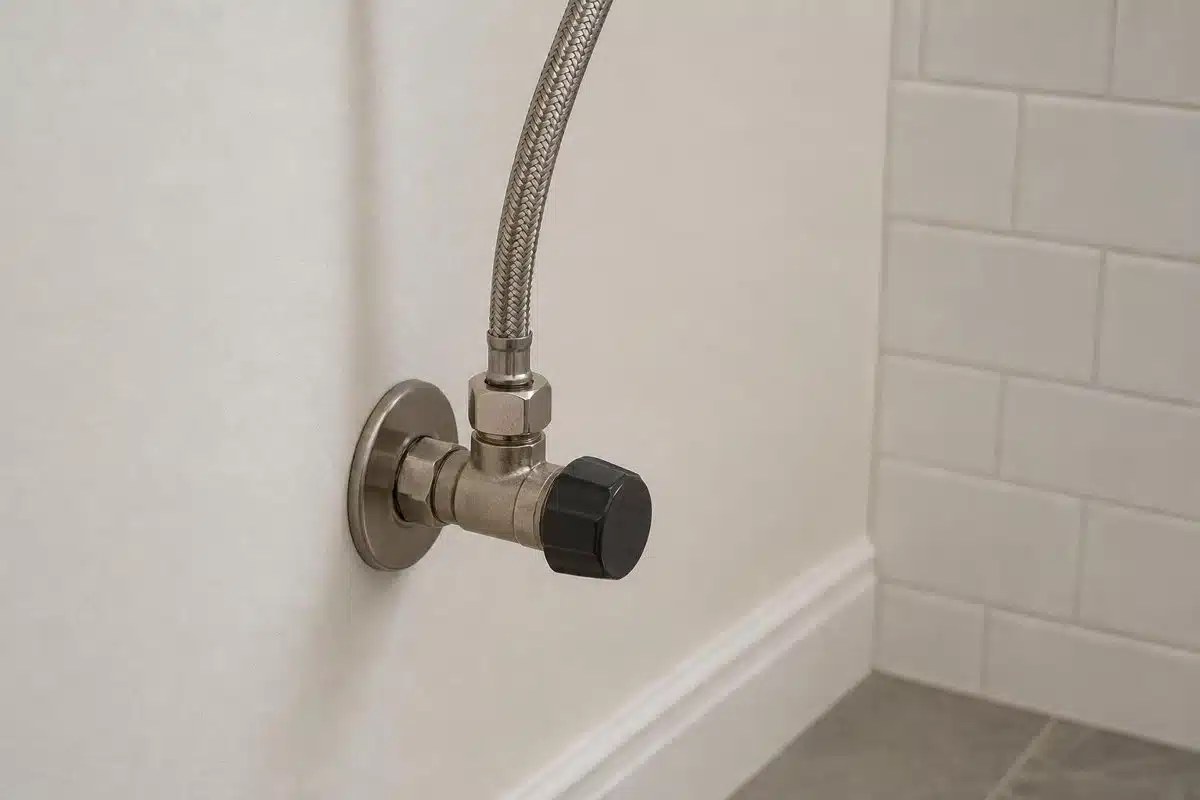
The small valve near the wall or floor behind the toilet is commonly called a fixture stop, angle stop, or toilet shutoff valve. Its job is to stop water to that one toilet so the tank supply line, fill valve, or toilet itself can be serviced without shutting down water to the entire property.
The main shutoff is different. It controls water to a larger area, often the whole home, suite, or building depending on the plumbing layout. If the toilet stop will not move, the main shutoff may be the safer way to control water before a plumber replaces the stuck valve or completes the fixture repair.
Do not assume every stop valve is built the same way. Some are compression style, some are soldered or sweated to copper, and some connect to other approved piping systems using product-specific fittings. BrassCraft, a manufacturer of stop valves and related plumbing products, shows how specific valves are identified by inlet type, outlet type, and connection size on its product information at BrassCraft.com. That is a useful reminder that valve selection is not universal.
If you are preparing for a repair, locate both the toilet valve and the main shutoff before anything is disconnected. If the fixture stop is stuck, avoid loosening the supply line first. Water pressure is still present upstream of the valve, and an old stop can fail at the connection if it is disturbed.
Why a Toilet Shut Off Valve Gets Stuck in Brevard County Homes
Need help with plumbing?
Inlet Mechanical’s licensed techs serve Brevard & Indian River with fast, dependable service and free estimates.
A toilet shut off valve stuck after years of sitting untouched is common. Many fixture stops remain fully open for a long time, so mineral buildup, corrosion, dried internal seals, or simple age can make the handle difficult to move. Humidity, cleaning products stored nearby, and past leaks can also affect exposed metal parts.
The resistance you feel may not be only in the handle. The valve body, stem, packing nut, connection to the pipe, or supply tube can all be involved. That is why grabbing the handle with a wrench or twisting the pipe for leverage is risky, especially if the pipe comes out of the wall or floor and has limited support.
Older valves may turn partially and then stop, or they may seem to turn but fail to shut water off completely. A valve that drips around the stem after being moved is also telling you something important. Even if the toilet repair is not urgent, that valve has become part of the job and should be evaluated before more parts are disturbed.
It is also worth noting what not to do. Avoid chemical lubrication advice, heat, excessive force, or improvised tools around a toilet stop. If the valve is connected to old piping or the connection style is uncertain, a professional replacement plan is safer than trying to make an aged stop behave like a new one.
Safe Checks Before You Touch the Toilet Supply
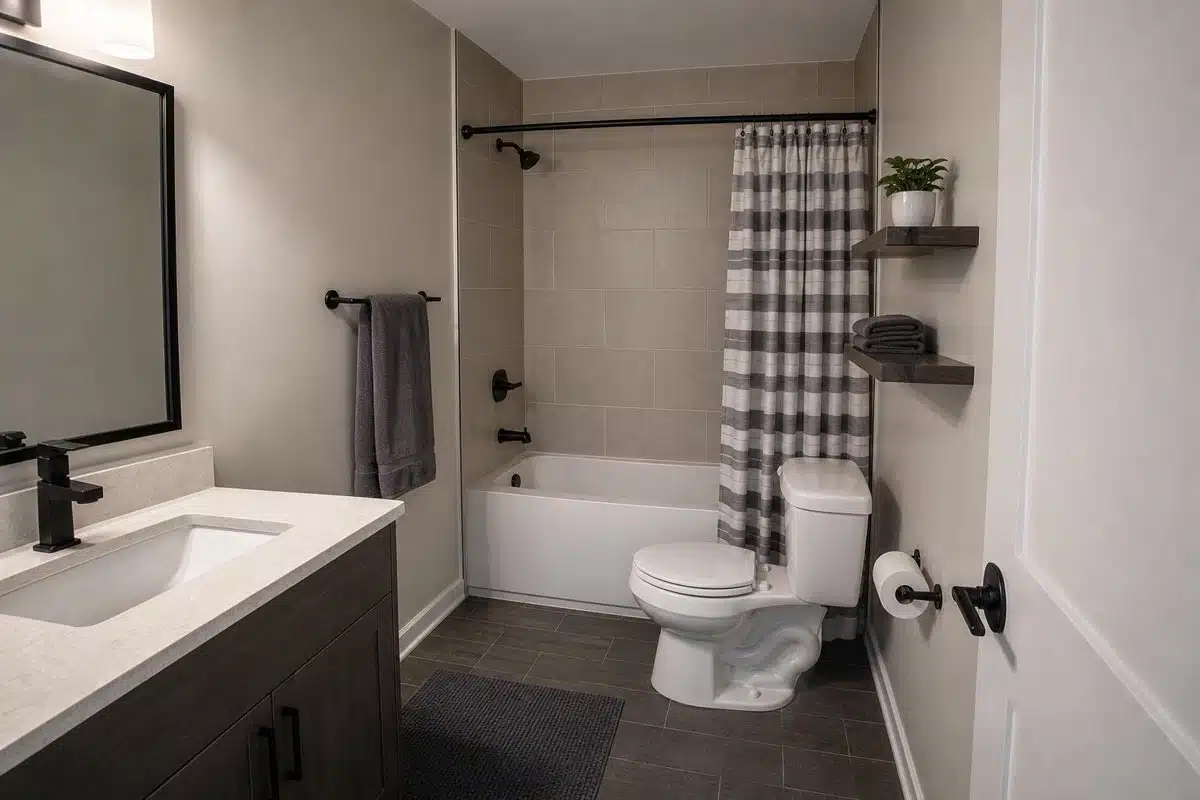
You can gather helpful information without taking unsafe risks. The goal is to understand what is there, document the condition, and avoid creating a leak before help arrives. These checks are visual and practical, not a substitute for plumbing repair.
- Find the main water shutoff. Confirm where it is and whether it is accessible. Do not wait until water is spraying from a failed valve to search for it.
- Look for moisture. Check the floor, wall, baseboard, valve stem, supply hose, and tank connection for dampness, staining, or mineral crust.
- Take clear photos. Photograph the valve, pipe coming from the wall or floor, supply line, toilet tank connection, and the surrounding area.
- Clear the workspace. Move stored items, bath mats, trash cans, and cleaning products so the shutoff area is unobstructed.
- Note the handle behavior. Does it refuse to move, spin without stopping water, drip when touched, or only close halfway? This helps with service planning.
If water is actively leaking, the situation changes from planning to prompt response. Shut water off at the appropriate main valve if you can do so safely, keep people away from standing water near electrical devices or outlets, and arrange professional plumbing help. Do not reach into wet areas where electrical exposure may be present.
For non-emergency fixture work, it is often better to replace the stuck stop before replacing the toilet fill valve or supply line. A new supply hose connected to an old, unreliable stop can leave the weakest part of the system in place. Inlet Mechanical’s residential plumbing services can help homeowners plan toilet supply repairs without guessing at valve compatibility.
Planning Professional Valve Replacement Before a Toilet Repair
Replacing a toilet shutoff valve is not just a matter of picking a similar-looking part from a shelf. The pipe material, connection type, pipe condition, available working space, outlet size, and supply line route all affect the correct approach. A valve that fits one installation may be wrong for another.
Before a scheduled visit, the photos you gathered can help the technician understand whether the valve exits from the wall or floor, whether the supply line is rigid or flexible, and whether there are signs of corrosion or prior repair. If the toilet is in a business restroom, note access restrictions and whether the bathroom can be taken out of service temporarily.
In some cases, the main water shutoff may need to be used while the fixture stop is replaced. In a commercial setting, that can affect other fixtures or operations, so planning the work can reduce disruption. In a home, it may simply mean choosing a time when water can be off briefly and the bathroom is accessible.
After valve replacement, the next repair becomes easier to manage. The toilet tank supply can be isolated, the supply line can be replaced if appropriate, and the fill valve or toilet can be serviced with a more reliable control point. If your plumbing work is part of a larger comfort or maintenance plan, Inlet Mechanical also provides residential HVAC maintenance services for homeowners who prefer coordinated service planning for major home systems.
Frequently Asked Questions
Can I use pliers if my toilet shut off valve will not turn?
It is better not to force the handle with pliers. The valve may be stuck because of internal corrosion, mineral buildup, or strain at the connection to the pipe. Extra leverage can twist tubing, crack a joint, or start a leak inside the wall or floor area. If hand pressure does not move it, treat the valve as unreliable and plan professional replacement.
Should I shut off the main water valve before replacing toilet parts?
If the toilet stop is stuck or does not fully stop water, the main shutoff may be needed before toilet parts are disconnected. Locate it first and make sure it is accessible. If you are unsure which valve controls the area, or if shutting it affects a business or multi-fixture layout, arrange plumbing service before loosening the supply line or tank connection.
Is a stuck valve always an emergency?
Not always. If there is no leak and the toilet is functioning, a stuck valve is often a repair to schedule before the next fixture service. It becomes more urgent if the valve is dripping, the supply line is wet, the floor is damp, or the toilet repair cannot proceed without shutting water off. Active leaks and water near electrical hazards call for prompt professional help.
Can any new angle stop replace the old toilet valve?
No. Valve compatibility depends on the pipe material, connection type, outlet size, available space, and the manufacturer guidance for the exact valve and supply line. A sweat connection, compression connection, and other approved connection methods are not interchangeable without the proper materials and skill. Photos help a plumber identify the installation before choosing the replacement approach.
Call Inlet Mechanical at (321) 723-0858 if a toilet shut off valve stuck in place is delaying a repair at your Palm Bay, Melbourne or Brevard County home or business. You can also contact Inlet Mechanical to request plumbing service planning before an old stop valve becomes a larger leak.
Talk to a Licensed Inlet Mechanical Pro
Whether it’s a repair, an upgrade, or a question, our team is ready to help homeowners and businesses across Brevard & Indian River County.
Licensed FL Mechanical (CMC1250858) · 85+ years combined experience · Free, no-obligation estimates
Written & Reviewed By
Inlet Mechanical Team
The Inlet Mechanical team brings over 85 years of combined experience in HVAC, plumbing, and mechanical construction across Florida. Our licensed professionals hold Florida Mechanical HVAC License (CMC1250858) and Florida Plumbing License (CFC1433105), along with EPA Section 608 certifications. Based in Brevard County, we serve residential, commercial, and industrial clients with expert knowledge of Florida building codes, climate-specific HVAC solutions, and local plumbing requirements. Every article is reviewed by our licensed technicians to ensure accuracy and practical value for Melbourne-area homeowners and businesses.
Last Updated: October 1, 2026