
What a Toilet Phantom Flush Looks and Sounds Like
You are sitting in a quiet house when the bathroom suddenly makes a short burst of running water, as if someone just flushed. Nobody did. That is a toilet phantom flush, sometimes called a ghost flush, and it is one of the most common small plumbing surprises we hear about in Brevard County homes. The toilet refills itself for a few seconds, goes silent, and then does it again an hour or a day later.
It is easy to shrug off, but the sound is a signal. Water is slipping out of the tank when it should be held there, and the fill valve is quietly topping it back up. This guide covers why that happens, how to confirm it with a simple dye test, and when it is time to hand the job to a plumber. It is different from a toilet that runs continuously, which we cover in our post on fixing a running toilet. Here we focus on the random, intermittent refill.
How a Toilet Tank Is Supposed to Work
Need help with plumbing?
Inlet Mechanical’s licensed techs serve Brevard & Indian River with fast, dependable service. Estimates on new system installs and replacements are free.
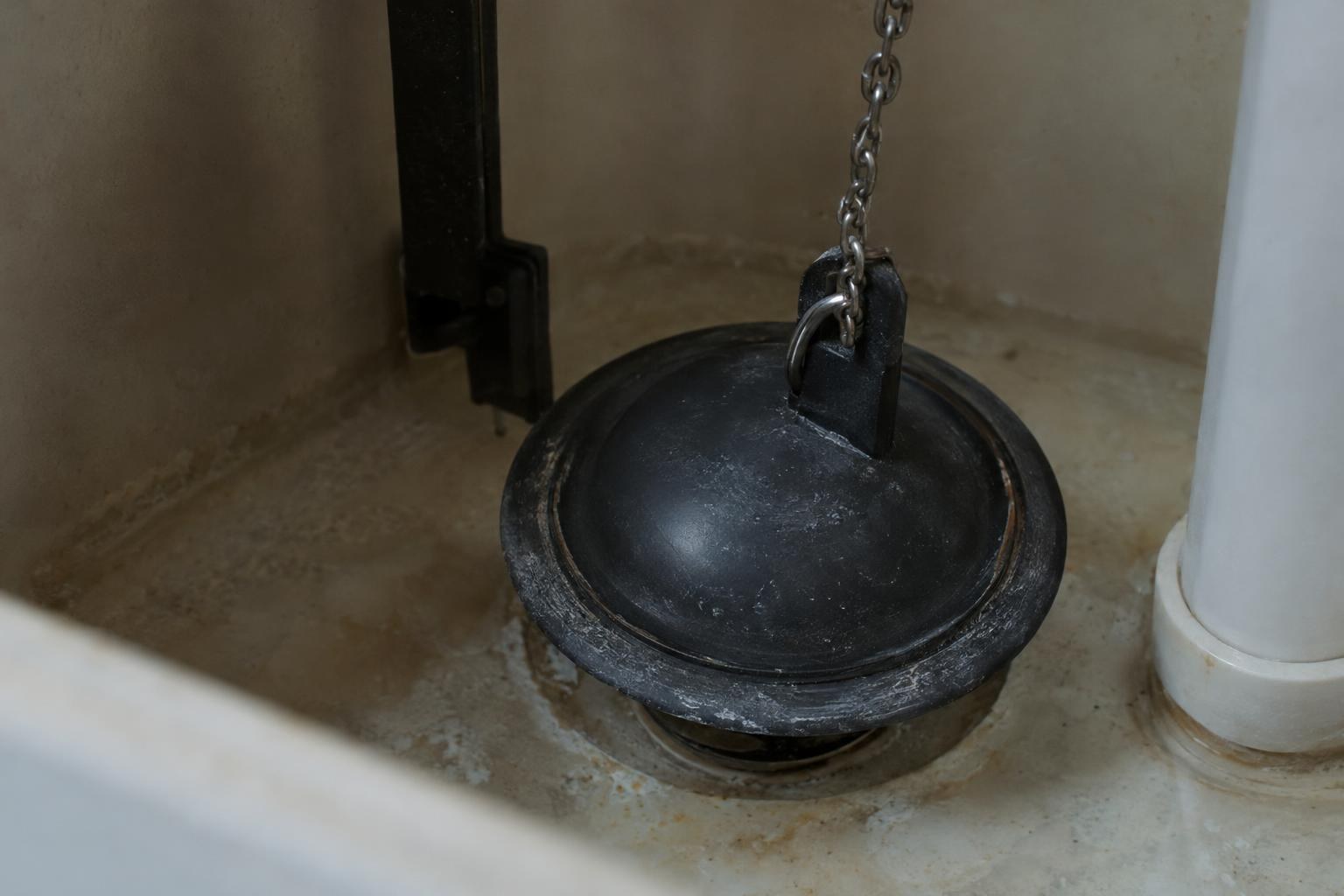
Inside the tank, a rubber flapper sits over the opening at the bottom, called the flush valve. When you press the handle, a chain lifts the flapper, water rushes into the bowl, and the flapper drops back down to seal the opening. As the water level falls, the fill valve opens and refills the tank, then shuts off when the float reaches the set level.
The key word is seal. If the flapper does not hold tight against its seat, water creeps from the tank into the bowl, one slow trickle at a time. You never see or hear it. But as the level in the tank drops a little, the fill valve decides the tank needs a top-up and switches on. That brief refill is the phantom flush.
The Most Common Cause: A Worn Flapper
A rubber flapper does not last forever. Over the years, tank water, cleaning tablets, and constant flexing leave it soft, warped, or brittle. A flapper that has curled at the edge no longer lies flat against the seat, and a tiny gap is all it takes for a slow leak. In Florida, where water often carries minerals, the surface can also pick up a film that keeps the rubber from sealing evenly.
Replacing a flapper is one of the more approachable repairs a homeowner can take on, since it usually involves shutting off the water at the supply valve, draining the tank, and swapping in a flapper that matches your model. Bring the old one with you to the store so the size and style match. If the new part does not solve the problem, the cause is likely elsewhere.
Other Causes Worth Checking
The flapper gets most of the blame, but several other things can produce the same symptom.
- Mineral buildup on the seat. Even a new flapper cannot seal against a rough or crusted seat. A gentle wipe with a damp cloth sometimes helps.
- A chain that is too tight or too slack. A tight chain holds the flapper slightly open. A very slack chain can get caught under the flapper as it closes.
- A water level set too high. If the level sits above the top of the overflow tube, water spills down the tube and the fill valve runs to replace it.
- A tired fill valve. An older fill valve may not shut off cleanly, so it lets in water in small bursts.
Each of these is a different kind of leak, and each points to a different repair, so it helps to confirm where the water is going before you start buying parts.
Doing a Dye Test to Confirm a Toilet Phantom Flush
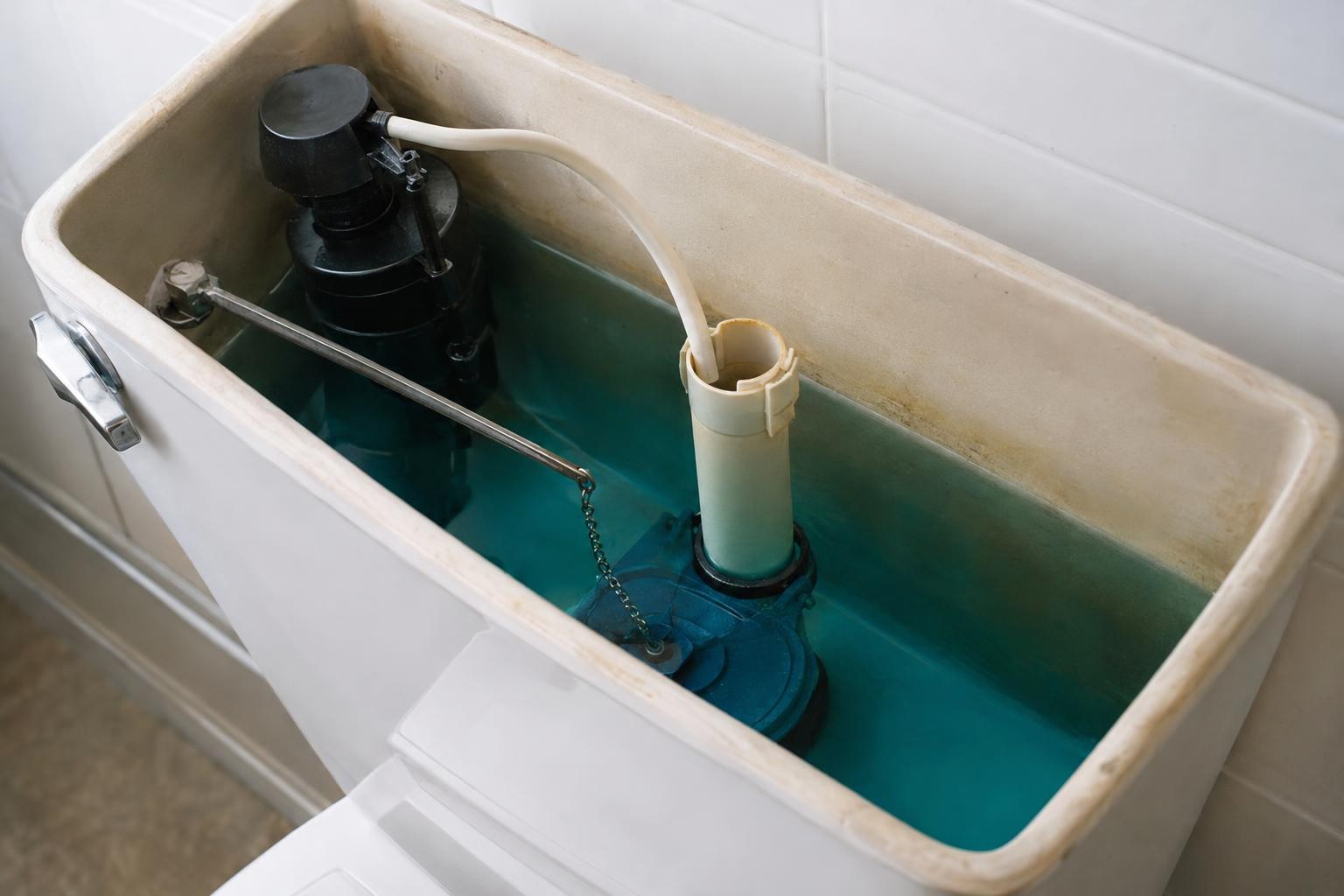
The dye test is the simplest way to find out whether water is leaking from the tank into the bowl. It takes a few minutes of attention and almost no equipment. EPA’s WaterSense program describes the same method, which uses a few drops of food coloring in the tank.
- Lift the tank lid and set it somewhere safe, such as a towel on the floor.
- Add a few drops of food coloring to the tank water and do not flush.
- Wait about ten minutes without using the toilet.
- Look into the bowl. If color has appeared there, water is leaking past the flapper or flush valve seat.
- Flush right away afterward so the dye does not stain the tank.
If the bowl stays clear, the flapper is probably doing its job, and the phantom refills may come from a water level set too high or a fill valve that needs attention. Watch the tank for a few minutes and check whether water trickles down the overflow tube.
Why It Matters for Your Water Bill
A silent leak from a tank is easy to ignore because nothing drips on the floor. But water that slips past the flapper runs through your plumbing around the clock, even when the toilet seems still. Over weeks and months, that adds up to a good deal of wasted water and a heavier water bill than the household should have. You can read more about household leaks on the EPA’s Fix a Leak Week page, which also covers how to check other fixtures in your home.
If you hear the toilet refill at odd times, it is worth a quick test now rather than waiting for a surprising bill later.
When to Call a Plumber
Replacing a flapper, adjusting a chain, or setting the water level are reasonable tasks for a comfortable homeowner. Call a professional if the dye test shows a leak and a new flapper does not cure it, if the fill valve needs replacing, or if you see cracks in the tank or bowl, water around the base of the toilet, or a supply valve that will not shut off. Those signs point to something beyond a simple adjustment.
A plumber can also look at the whole picture, such as whether other toilets in the house show the same pattern, which can hint at a pressure or supply issue. For a look at the kind of work we do in this area, see our bathroom plumbing page and the broader residential plumbing services page.
Frequently Asked Questions
Why does my toilet refill by itself when nobody flushed it?
Most often the flapper is not sealing, so water slowly leaks from the tank into the bowl. When the tank level drops far enough, the fill valve turns on for a few seconds to bring it back up.
How long should I wait during a dye test?
About ten minutes is a good guide. Do not flush during that time. If color shows in the bowl, you have a leak. Flush afterward to clear the dye from the tank.
Is a toilet phantom flush harmful?
It will not damage your home by itself, but it wastes water around the clock and often signals a part that is wearing out. Fixing it early usually keeps a small problem small.
Can I fix a phantom flush myself?
Often, yes. Replacing a flapper or adjusting a chain or water level is a manageable task. If the leak continues after those steps, or you see cracks or water on the floor, it is time to bring in a plumber.
If your toilet keeps refilling on its own and you would like a second set of eyes, our team at Inlet Mechanical is glad to help you track down the cause. Visit our contact page to reach us, or call us directly at (321) 723-0858.
Talk to a Licensed Inlet Mechanical Pro
Whether it’s a repair, an upgrade, or a question, our team is ready to help homeowners and businesses across Brevard & Indian River County.
Licensed FL Mechanical (CMC1250858) · 85+ years combined experience · Free install & replacement estimates
Written & Reviewed By
Inlet Mechanical Team
The Inlet Mechanical team brings over 85 years of combined experience in HVAC, plumbing, and mechanical construction across Florida. Our licensed professionals hold Florida Mechanical HVAC License (CMC1250858) and Florida Plumbing License (CFC1433105), along with EPA Section 608 certifications. Based in Brevard County, we serve residential, commercial, and industrial clients with expert knowledge of Florida building codes, climate-specific HVAC solutions, and local plumbing requirements. Every article is reviewed by our licensed technicians to ensure accuracy and practical value for Melbourne-area homeowners and businesses.
Last Updated: November 19, 2026