
How long do you wait for hot water to reach your kitchen sink or master bathroom shower? In many Palm Bay and Melbourne FL homes, the answer is anywhere from 30 seconds to two minutes. During that wait, gallons of perfectly good water flow straight down the drain. A recirculating hot water system eliminates that wait, delivers instant hot water to every fixture, and can produce meaningful energy savings over time. For Brevard County homeowners looking to reduce waste and improve daily convenience, this upgrade deserves serious consideration.
Recirculating Hot Water System Energy Savings: How Recirculating Systems Work
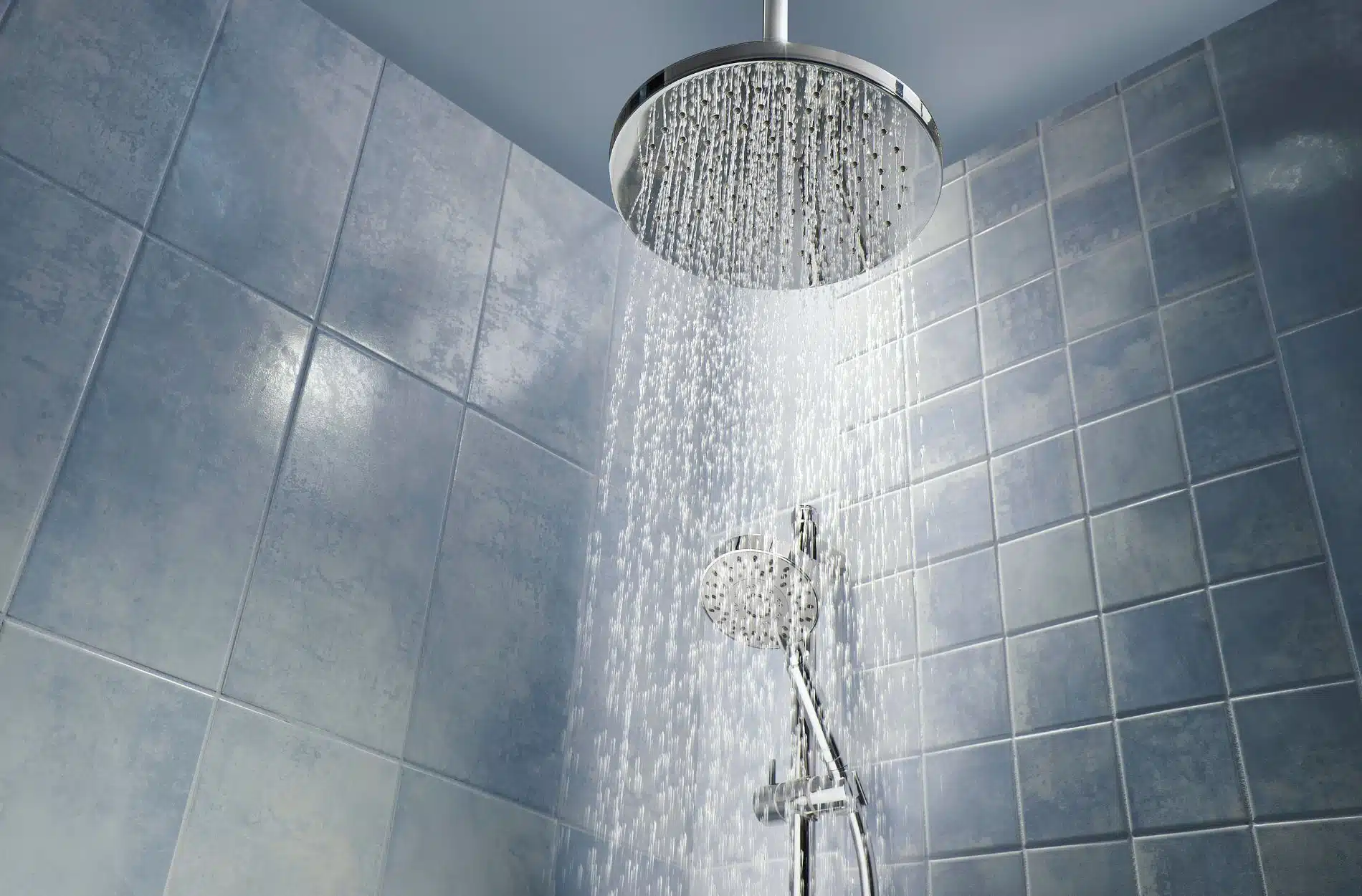
A traditional plumbing system stores hot water in a tank and sends it through supply pipes to your fixtures when you open a hot water tap. The water sitting in the pipes between the heater and the fixture cools down between uses, which is why you have to let it run before hot water arrives. The further the fixture is from the water heater, the longer the wait and the more water is wasted.
A recirculating system keeps hot water moving through the pipes so it is always available at every fixture. There are two primary types. A dedicated loop system uses a separate return line that runs from the furthest fixture back to the water heater, creating a continuous loop. A pump circulates water through this loop, keeping the pipes full of hot water at all times or on a programmed schedule. This type requires an additional pipe to be installed, making it ideal for new construction or major remodels.
Not sure what it will cost? Use our free plumbing cost estimator to get an instant estimate for your Brevard County home.
A demand or comfort system is the more practical option for existing homes. It uses the existing cold water line as the return path. A pump is installed at the water heater, and a crossover valve is placed under the sink furthest from the heater. When you activate the system, either by pressing a button, using a motion sensor, or on a timer, the pump pushes cooled water from the hot supply line back to the heater through the cold line, priming the hot supply pipe with heated water. Once hot water reaches the crossover valve, it closes automatically, and your fixture delivers hot water immediately.
Timer-based systems run on a schedule that matches your household routine. If you typically need hot water between 6:00 and 8:00 AM and again from 5:00 to 10:00 PM, the system only runs during those windows, saving the energy cost of continuous circulation. Some modern systems use temperature sensors and smart controls that learn your usage patterns and optimize pump operation automatically. A licensed plumber can help you choose the type that best fits your home layout and daily routine.
Energy and Water Savings in Florida
The water savings from a recirculating system are straightforward and significant. The average household wastes approximately 12,000 gallons of water per year waiting for hot water to arrive at fixtures. In Palm Bay and Melbourne, where water conservation is increasingly important for protecting the Indian River Lagoon and maintaining the health of the Floridan Aquifer, reducing unnecessary water use benefits both your wallet and the environment.
Energy savings are more nuanced and depend on the type of system and how it is configured. A continuously running recirculating pump uses a small amount of electricity and can increase water heating costs because the water heater works harder to maintain temperature in the loop. However, a timer-based or demand system minimizes these costs by only operating when hot water is needed. The energy cost of running the pump is typically less than $20 per year, while the water savings can be $50 to $100 or more annually depending on your water rates and usage patterns.
In Florida, where water heaters already work harder due to warm incoming water temperatures, the additional energy demand of a recirculating system is relatively modest. The incoming water temperature in Brevard County averages around 72 to 78 degrees Fahrenheit, meaning the water heater does not need to add as much heat as it would in colder climates. This makes the energy tradeoff more favorable for Florida homeowners compared to those in northern states.
Beyond the measurable savings, there is a comfort and convenience factor that many homeowners find invaluable. No more wasting time waiting for hot water before a shower. No more running the tap for a minute before washing dishes. No more scalding surprises when cold pipes suddenly deliver hot water. The immediate availability of hot water at every fixture in your home is a quality-of-life improvement that you notice every day.
Trusted Resources: The U.S. Department of Energy compares water heater types and their long-term energy costs for homeowners. The ENERGY STAR certifies energy-efficient water heaters that can save hundreds per year on utility bills.
Frequently Asked Questions
When should I call a professional about recirculating hot water system energy savings?
You should call a licensed plumbing professional when you notice unusual performance, higher-than-normal energy bills, strange noises or odors, or any signs of leaks or moisture. In Brevard County, FL, Florida’s heat and humidity can accelerate wear on systems, making prompt attention to issues especially important. Call Inlet Mechanical at (321) 723-0858.
How does Florida’s climate affect recirculating hot water system energy savings?
Florida’s combination of high heat, humidity, and salt air (for coastal areas) creates unique demands on plumbing systems. Equipment works harder and longer than in milder climates, accelerating wear on components. Regular professional maintenance adapted to these conditions is essential for reliability and longevity in Brevard County, FL.
Does Inlet Mechanical handle recirculating hot water system energy savings for both residential and commercial properties?
Yes, Inlet Mechanical serves both residential and commercial customers throughout Brevard County, including Melbourne, Palm Bay, Cocoa, and surrounding communities. We hold Florida Mechanical HVAC License CMC1250858 and Florida Plumbing License CFC1433105. Call (321) 723-0858 to schedule service.
Installation Considerations for Brevard County Homes
Installing a recirculating system in an existing home is generally straightforward and can be completed in a few hours by a qualified plumber. The pump unit installs at or near the water heater and connects to the hot water supply line. The crossover valve installs under the furthest sink and connects between the hot and cold supply lines. No major plumbing modifications are required for a demand-type system, and no electrical work beyond plugging in the pump is typically needed.
For homes with tankless water heaters, recirculating systems require some additional planning. Not all tankless units are compatible with recirculation, and those that are may require specific pump configurations or buffer tanks to prevent short-cycling. If you have a tankless water heater or are considering one, discuss recirculation compatibility with your plumber during the planning phase.
Pipe insulation is an important complement to a recirculating system. Insulating hot water pipes reduces heat loss and helps maintain water temperature between pump cycles. In Florida, where pipes often run through warm attic spaces, the heat loss is less severe than in cold climates, but insulation still improves system performance and reduces energy use. Foam pipe insulation is inexpensive and easy to install on accessible piping.
If you are building a new home or doing a major renovation in Palm Bay or Melbourne, consider installing a dedicated return line during construction. The additional cost of running the return pipe during rough-in is minimal compared to retrofitting one later, and a dedicated loop system provides the most consistent performance with the lowest energy impact.
Ready to enjoy instant hot water and stop wasting water down the drain? Inlet Mechanical installs recirculating hot water systems for homeowners throughout Palm Bay, Melbourne, and Brevard County. Our licensed plumbers (FL License CFC1433105) will evaluate your home, recommend the right system, and complete the installation professionally. Call Inlet Mechanical at (321) 723-0858 to schedule your consultation.
Related Reading
- Tree Root Intrusion in Sewer Lines: A Florida Problem
- Copper vs PEX Piping: Best Choice for Florida Replumbing
Also Read: Copper vs PEX Piping: Best Choice for Florida Replumbing
Inlet Mechanical proudly offers recirculating hot water systems and energy savings services to homeowners and businesses across Florida’s Space Coast.
If recirculating hot water system energy savings is starting to affect your home, Inlet Mechanical can inspect the plumbing, confirm the cause, and recommend the most practical next step before the repair grows.

Written & Reviewed By
Inlet Mechanical Team
The Inlet Mechanical team brings over 85 years of combined experience in HVAC, plumbing, and mechanical construction across Florida. Our licensed professionals hold Florida Mechanical HVAC License (CMC1250858) and Florida Plumbing License (CFC1433105), along with EPA Section 608 certifications. Based in Brevard County, we serve residential, commercial, and industrial clients with expert knowledge of Florida building codes, climate-specific HVAC solutions, and local plumbing requirements. Every article is reviewed by our licensed technicians to ensure accuracy and practical value for Melbourne-area homeowners and businesses.
Last Updated: March 22, 2026