
Floor drains are essential but often overlooked components of your home plumbing system. Found in garages, laundry rooms, bathrooms, and utility areas, these drains prevent water damage by directing excess water away from your living spaces. In Melbourne FL and across Brevard County, floor drains face unique challenges from our high humidity, frequent heavy rains, and the sandy soil conditions common throughout the Space Coast region.
When a floor drain clogs, it can cause water to back up and pool on your floor, creating slip hazards, water damage, and conditions that encourage mold growth. Understanding how to unclog a floor drain and when to call a professional can save you time, money, and frustration.
Unclog Floor Drain Melbourne FL: Common Causes of Floor Drain Clogs in Florida Homes
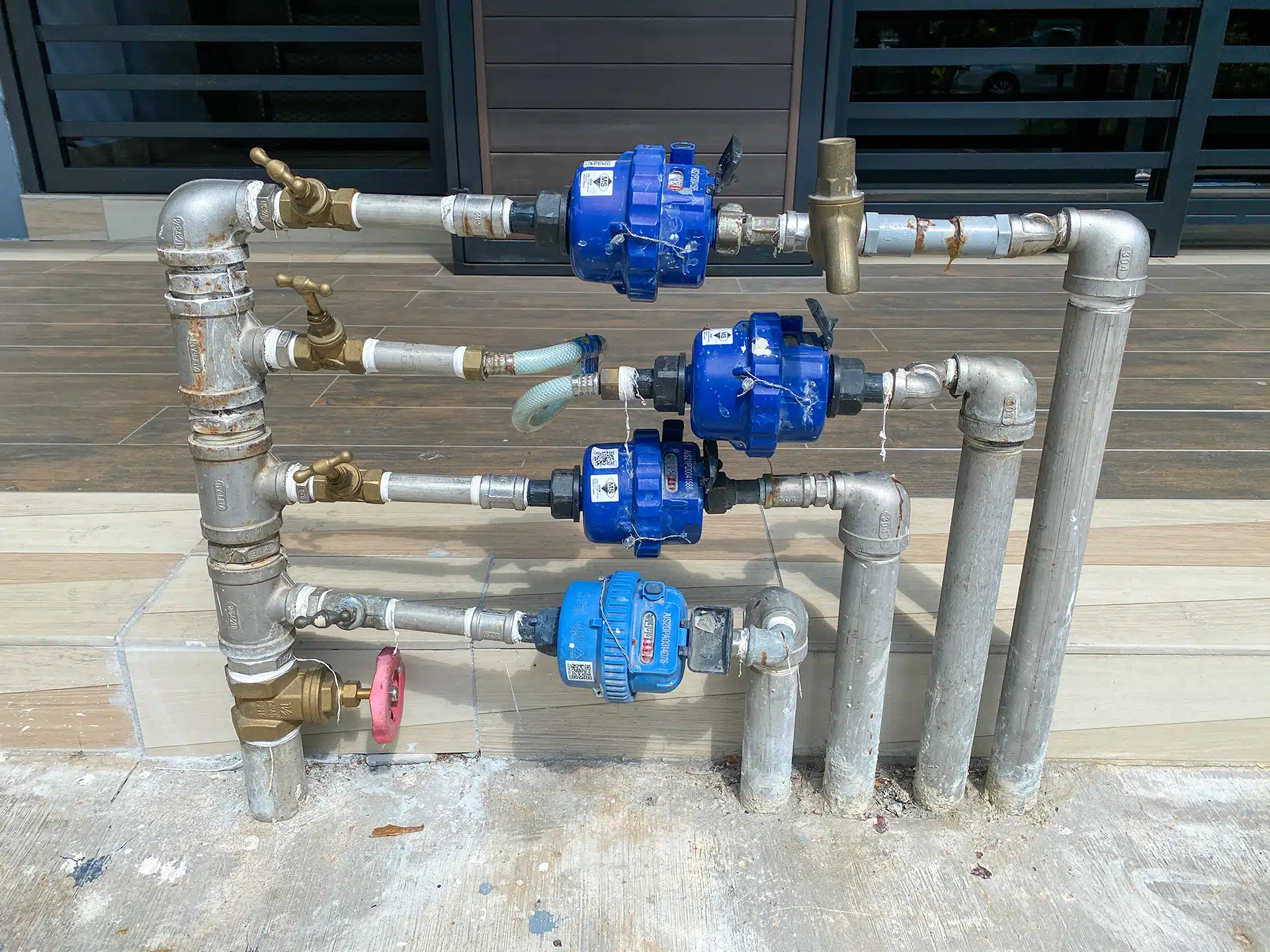
Floor drains in Melbourne FL homes clog for several reasons that are often specific to our region. Dirt, sand, and debris tracked in from outdoors are primary culprits, especially in garage floor drains. Florida sand is fine-grained and can accumulate quickly in drain traps and pipes, gradually reducing water flow until the drain stops working entirely.
Not sure what it will cost? Use our free plumbing cost estimator to get an instant estimate for your Brevard County home.
Hair, soap residue, and mineral deposits are common causes of bathroom floor drain clogs. Brevard County water contains varying levels of minerals that can build up inside drain pipes over time. Combined with soap scum and hair, these mineral deposits create stubborn blockages that worsen progressively.
Laundry room floor drains frequently clog from lint, detergent residue, and small fabric fibers that wash out of clothing during laundry cycles. If your washing machine drains into or near a floor drain, these materials can accumulate faster than you might expect.
In older Melbourne and Palm Bay homes, tree root intrusion is a common cause of deep floor drain clogs. Florida trees, especially live oaks and palms, have extensive root systems that seek out moisture. These roots can penetrate small cracks or joints in drain pipes and grow inside the line, eventually blocking water flow completely. Root intrusion requires professional plumbing service to resolve.
Another issue specific to Florida is the evaporation of water from the drain trap during dry periods. Every floor drain has a P-trap or similar water seal designed to prevent sewer gases from entering your home. In dry weather or in seldom-used areas, this water can evaporate, allowing unpleasant odors to rise through the drain. While this is not technically a clog, it is a common complaint that has a simple solution: pour a gallon of water into the drain every few weeks to maintain the water seal.
Step-by-Step Methods to Clear a Clogged Floor Drain
Before attempting any drain clearing, put on rubber gloves and have a bucket nearby for debris removal. Start with the simplest methods and work your way up to more aggressive techniques.
First, remove the drain cover and clean it thoroughly. Use a flashlight to look into the drain opening and remove any visible debris by hand or with needle-nose pliers. You may find hair clumps, accumulated dirt, or small objects blocking the drain opening. In many cases, this simple step resolves the problem.
If the clog persists, try the boiling water method. Slowly pour a pot of boiling water directly into the drain in two or three stages, waiting several seconds between each pour. The heat can dissolve soap scum and loosen minor blockages. Do not use boiling water if you have PVC drain pipes, as the extreme heat can soften or warp the plastic. Many Florida homes built after the 1990s use PVC drain lines, so use very hot but not boiling water if you are unsure about your pipe material.
A plunger can be effective on floor drain clogs. Use a cup-style plunger (not a flange plunger designed for toilets) and ensure there is enough water over the drain to create a seal. Plunge vigorously for 15 to 20 strokes, then check whether the water begins to drain. Repeat several times if needed.
For deeper clogs, a drain snake or auger is often the most effective homeowner tool. Feed the snake into the drain opening and rotate it as you push forward. When you feel resistance, continue rotating to break through or hook the clog material. Slowly pull the snake back out, bringing the clog material with it. A 15-foot manual drain snake handles most residential floor drain clogs and is available at local hardware stores for around twenty dollars.
A mixture of baking soda and vinegar can help with organic clogs. Pour half a cup of baking soda into the drain, followed by half a cup of white vinegar. Cover the drain opening and wait 30 minutes, then flush with hot water. This method works best on soap scum and minor organic buildup rather than solid blockages.
Avoid using chemical drain cleaners on floor drains. These products contain harsh chemicals that can corrode metal pipes and damage PVC over time. They are also dangerous if they fail to clear the clog and a plumber later needs to work on the drain. Chemical residue in standing water creates a serious safety hazard for anyone working on the plumbing system.
Trusted Resources: The U.S. Environmental Protection Agency provides guidance on sewer system maintenance and overflow prevention. The U.S. Environmental Protection Agency addresses groundwater protection concerns related to sewer line issues.
Frequently Asked Questions
How often should I address unclog floor drain melbourne fl?
For most plumbing systems in Florida, scheduling professional maintenance at least once a year is recommended — ideally before the peak cooling season begins in spring. However, systems that run year-round in Melbourne, FL benefit from biannual service. Regular attention prevents breakdowns during extreme heat and extends equipment lifespan.
Can I handle unclog floor drain melbourne fl on my own?
Some basic tasks like changing air filters, checking thermostat settings, and keeping outdoor units clear of debris can be done by homeowners. However, tasks involving electrical components, refrigerant, gas lines, or plumbing connections should always be handled by a licensed professional. Improper DIY work can void warranties and create safety hazards.
What happens if I neglect unclog floor drain melbourne fl?
Neglecting regular maintenance can lead to reduced efficiency, higher energy bills, premature equipment failure, and potential safety hazards. In Florida’s humid climate, lack of maintenance also increases the risk of mold growth in ductwork and biological buildup in drain lines. Scheduling routine service with Inlet Mechanical at (321) 723-0858 prevents these issues.
When to Call a Licensed Plumber
Some floor drain clogs require professional equipment and expertise to resolve safely. Call a licensed plumber if you experience any of the following situations. Multiple floor drains clogging simultaneously usually indicates a blockage in the main sewer line rather than an individual drain problem. Water backing up through floor drains when you flush toilets or run washing machines also points to a main line issue.
If you notice foul sewage odors that persist after refilling the drain trap, there may be a break or crack in the drain pipe allowing sewer gases to escape. A professional plumber can perform a camera inspection to identify the exact location and nature of the problem.
Recurring clogs in the same drain despite your clearing efforts often indicate a deeper issue such as root intrusion, pipe deterioration, or improper pipe slope. Florida building code requires specific pipe grades to ensure proper drainage, and settling soil or shifting foundations can alter pipe alignment over time. A licensed emergency plumber has the tools and training to diagnose and repair these underlying problems.
Floor drain maintenance is a small investment of time that prevents costly water damage and plumbing emergencies. If you are dealing with a stubborn floor drain clog in Melbourne FL, Palm Bay, or anywhere in Brevard County, contact Inlet Mechanical for professional drain clearing service. Our licensed plumbers (FL License CFC1433105) have the experience and equipment to resolve any drain problem quickly. Call (321) 723-0858 today.
Related Reading
- Garbage Disposal Maintenance Tips for Florida Homeowners
- Well Pump Repair and Maintenance in Brevard County
Also Read: Well Pump Repair and Maintenance in Brevard County
From unclogging a floor drain in Melbourne, FL to emergency repairs, Inlet Mechanical has Palm Bay and Melbourne covered.
If unclog floor drain melbourne fl is starting to affect your home, Inlet Mechanical can inspect the plumbing, confirm the cause, and recommend the most practical next step before the repair grows.

Written & Reviewed By
Inlet Mechanical Team
The Inlet Mechanical team brings over 85 years of combined experience in HVAC, plumbing, and mechanical construction across Florida. Our licensed professionals hold Florida Mechanical HVAC License (CMC1250858) and Florida Plumbing License (CFC1433105), along with EPA Section 608 certifications. Based in Brevard County, we serve residential, commercial, and industrial clients with expert knowledge of Florida building codes, climate-specific HVAC solutions, and local plumbing requirements. Every article is reviewed by our licensed technicians to ensure accuracy and practical value for Melbourne-area homeowners and businesses.
Last Updated: March 22, 2026