
A home energy audit sounds like it should be complicated, but it’s really just a structured way of figuring out where a house is losing conditioned air and wasting energy, which in a Florida home usually comes back to the HVAC system and the building envelope around it. Here’s what actually happens during an audit and what homeowners tend to do with the results.
What Gets Checked During an Energy Audit
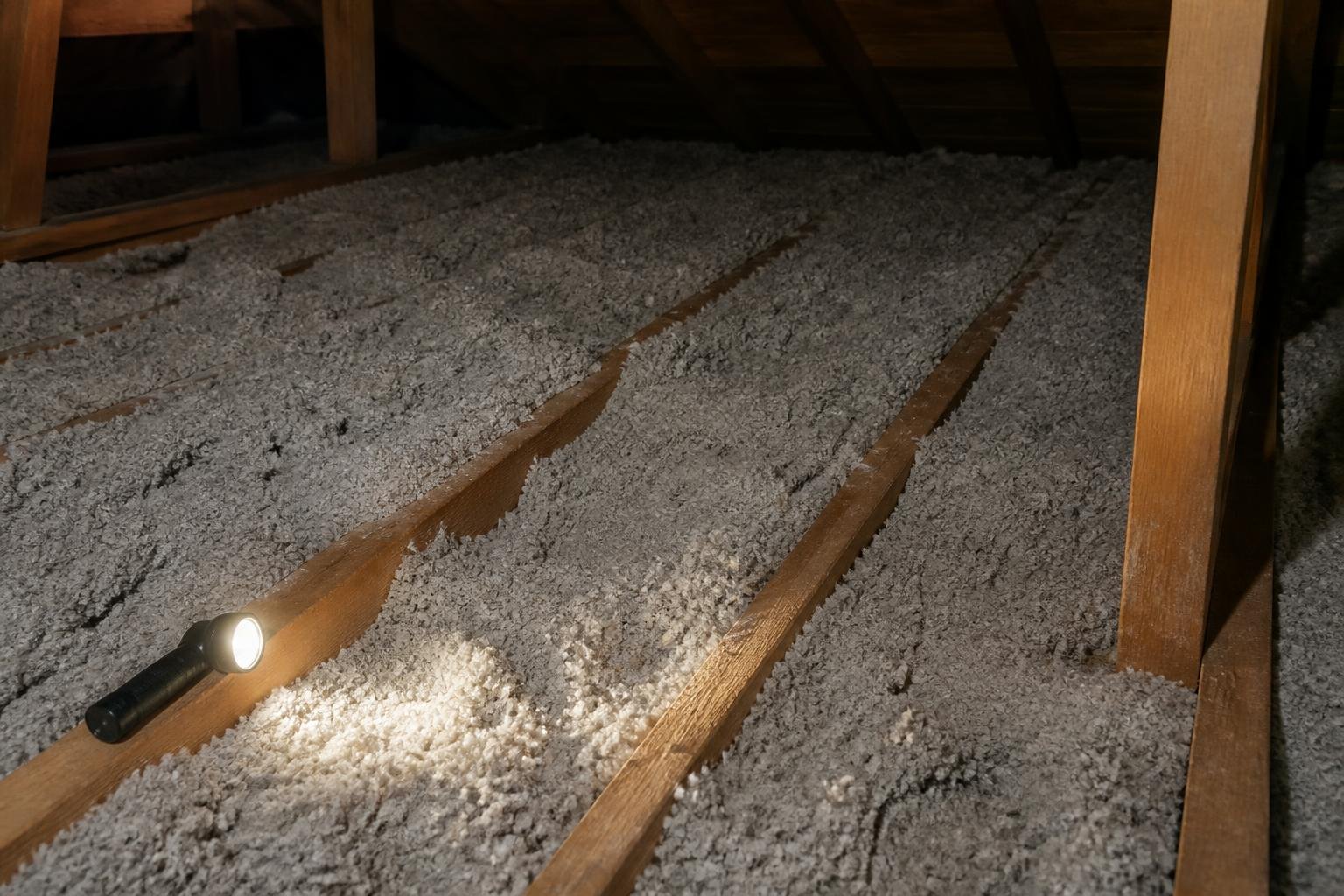
A thorough audit looks at the home as a connected system rather than inspecting the HVAC unit in isolation. That typically includes checking insulation levels in the attic, looking for air leaks around windows, doors, and penetrations like plumbing and electrical chases, and assessing the condition and sealing of the ductwork running through the attic. Some audits use a blower door test, which depressurizes the house slightly to make air leaks easier to detect, though not every audit includes this step depending on scope.
- Attic insulation levels. Checked against what’s typically recommended for Florida’s climate zone.
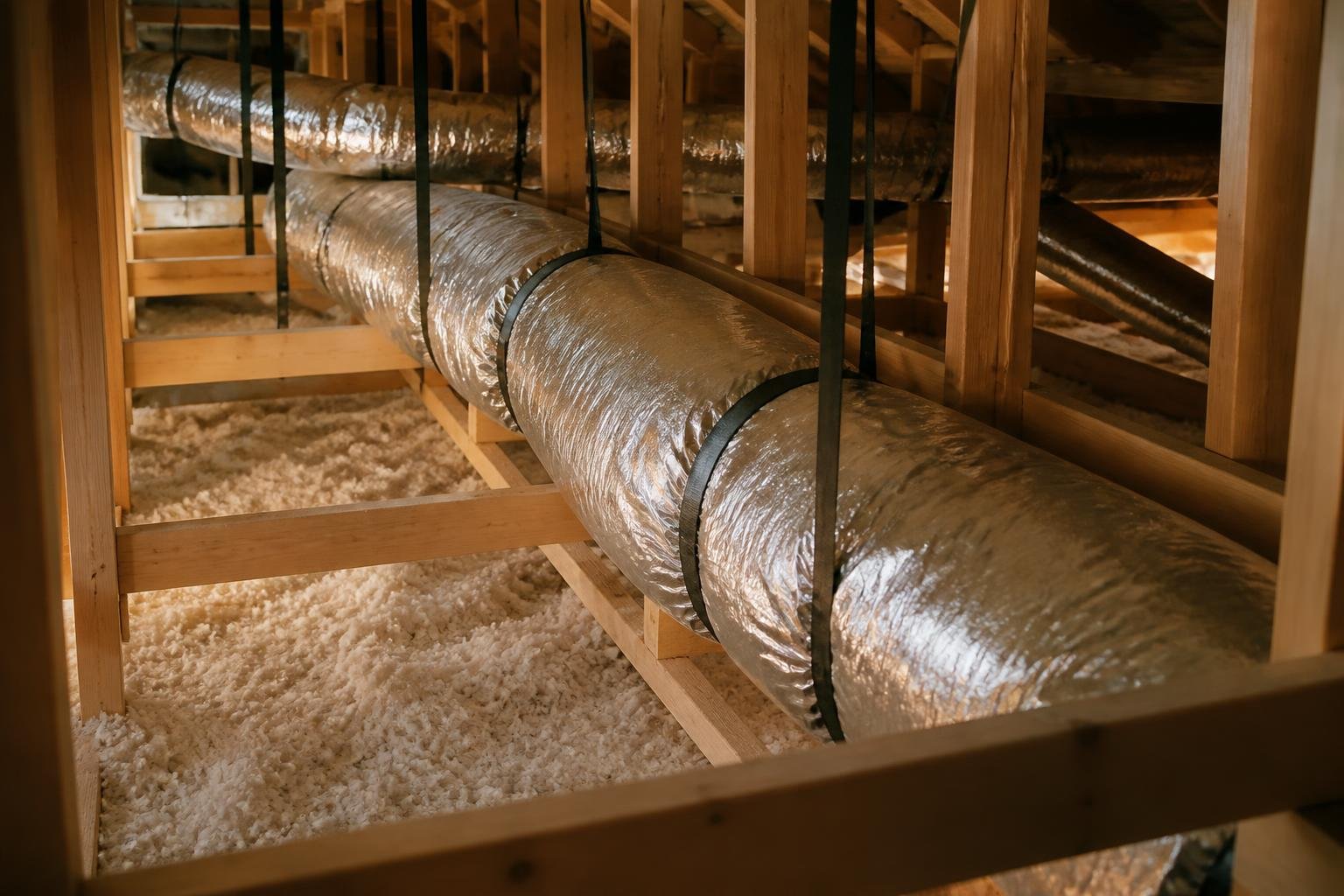
- Duct condition and sealing. Leaky attic ductwork is one of the most common sources of energy loss in Florida homes.
- Air infiltration points. Gaps around windows, doors, and wall penetrations that let conditioned air escape.
- HVAC system condition. Age, sizing relative to the home, and overall performance of the existing equipment.
Why HVAC Is Usually the Biggest Piece of the Puzzle
Need help with AC & heating?
Inlet Mechanical’s licensed techs serve Brevard & Indian River with fast, dependable service and free estimates.
Cooling accounts for a large share of a Florida home’s energy use for most of the year, which means the HVAC system and the ductwork delivering that cooled air tend to have an outsized effect on the audit’s findings. A system that’s oversized or undersized for the home cycles inefficiently either way, and leaky ducts in a hot attic lose cooled air before it even reaches the living space. An audit doesn’t just tell you the system is old, it helps connect specific findings, like duct leakage percentage or insulation gaps, to where the energy is actually going.
What Homeowners Typically Do With the Results
The audit itself is diagnostic, it identifies where the problems are rather than fixing them on the spot. What happens next depends on the findings and your priorities. Some homeowners tackle the lowest-cost items first, like sealing obvious duct leaks or adding weatherstripping around doors. Others use the audit as the basis for planning a larger project, like a duct sealing service or an HVAC system upgrade, especially if the existing equipment is nearing the end of its useful life anyway. It’s worth thinking of the audit as a roadmap rather than a single fix, since the issues it finds usually range from quick, low-cost changes to bigger projects worth planning for.
Setting Realistic Expectations
An energy audit won’t tell you exactly how much your utility bill will drop after making changes, since that depends on a lot of variables including household habits and local utility rates. What it can do is show you, with some specificity, where your home is underperforming compared to what’s reasonable for its size and construction. That’s useful information whether you’re planning to act on it right away or just want a clearer picture before deciding what to prioritize.
Local Factors That Shape the Findings
Florida’s climate zone means an energy audit here tends to weigh cooling performance and attic conditions more heavily than an audit in a colder part of the country would. Attics routinely reach much higher temperatures than the living space below them during summer months, which makes duct sealing and attic insulation levels especially relevant findings for a local audit. Homes built at different points in Brevard County’s development history also vary in construction standards, so an audit of an older home sometimes turns up different priority items than one for a newer build with more current insulation and duct sealing practices already in place.
Homes near the coast face an additional consideration: humidity and salt air exposure can affect how well certain building materials and HVAC components hold up over time, which is worth keeping in mind when weighing how urgently to act on a given finding.
How an Audit Connects to a Larger Renovation
Homeowners planning a larger renovation, like a room addition or a full HVAC replacement, sometimes schedule an energy audit ahead of that project rather than after it, since the findings can inform decisions that are much harder to change once construction is underway. Knowing that a duct run is significantly leaking, for example, is useful information before sizing a new HVAC system rather than after it’s installed and still struggling to keep the home comfortable. Even outside of a larger renovation, an audit’s findings can help prioritize where to spend on efficiency improvements first, rather than guessing based on which room feels least comfortable at any given moment. It also gives a renovation contractor or HVAC installer a more accurate starting point, since sizing decisions made on outdated assumptions about a home’s envelope tend to compound into ongoing comfort and efficiency issues that are harder and more expensive to correct after the work is finished and the walls are already closed back up again. This is one of the more overlooked steps in planning a renovation, and it’s worth raising with your contractor early rather than after the design is already set.
Duct Leakage: Usually the Single Biggest Loss Point
Of everything a home energy audit checks, duct leakage tends to have the biggest single impact on a Florida home’s energy use, mostly because the attic ductwork runs through the hottest, most punishing part of the house. ENERGY STAR estimates that a typical home loses 20 to 30 percent of the air moving through its duct system to leaks, holes, and poorly connected joints, which for a Florida attic system running most of the year adds up to a meaningful share of a household’s cooling costs.
An audit’s duct testing usually quantifies this more precisely than a visual inspection alone can, measuring how much air is actually escaping compared to what reaches the registers. That number is what tells you whether duct sealing should be a priority item or a lower one relative to insulation gaps or air infiltration elsewhere in the home. A system that’s otherwise well-maintained but pushing conditioned air into a hot attic through unsealed joints can still leave a home feeling underperforming no matter how well the equipment itself is running, which is exactly the kind of disconnect an audit is meant to catch.
Frequently Asked Questions
How long does a home energy audit take?
It depends on the size of the home and how thorough the audit is, but most residential audits take a few hours to complete, including time in the attic and around the home’s exterior checking for air leaks.
Does an energy audit include checking the ductwork?
Yes, ductwork condition and sealing are typically part of a home energy audit, especially in Florida homes where attic ducts are a common source of energy loss and a significant factor in overall comfort.
Do I need to fix everything the audit finds right away?
Not necessarily. The audit gives you a prioritized picture of where the issues are, and it’s reasonable to address them in phases based on your budget and how much impact each item is likely to have on comfort and efficiency.
If you’re trying to figure out where your Palm Bay or Melbourne home is losing energy, our energy efficiency team can help, including our home energy audit service. Contact Inlet Mechanical to schedule a look at your home.
Talk to a Licensed Inlet Mechanical Pro
Whether it’s a repair, an upgrade, or a question, our team is ready to help homeowners and businesses across Brevard & Indian River County.
Licensed FL Mechanical (CMC1250858) · 85+ years combined experience · Free, no-obligation estimates
Written & Reviewed By
Inlet Mechanical Team
The Inlet Mechanical team brings over 85 years of combined experience in HVAC, plumbing, and mechanical construction across Florida. Our licensed professionals hold Florida Mechanical HVAC License (CMC1250858) and Florida Plumbing License (CFC1433105), along with EPA Section 608 certifications. Based in Brevard County, we serve residential, commercial, and industrial clients with expert knowledge of Florida building codes, climate-specific HVAC solutions, and local plumbing requirements. Every article is reviewed by our licensed technicians to ensure accuracy and practical value for Melbourne-area homeowners and businesses.
Last Updated: September 24, 2026