
If a utility-room floor drain rarely sees water, the seal inside its trap can slowly disappear. A floor drain trap primer is one way commercial property owners and facility managers in Palm Bay, Melbourne and Brevard County keep that trap replenished without relying on someone to remember a maintenance pour.
The practical decision is whether an odor, dry-looking drain, or unused room calls for inspection and service planning rather than guesswork. Sewer-like odor should be investigated, but it does not automatically prove the primer has failed. The drain, trap, venting, nearby fixtures, floor slope and primer connection all need to be considered before anyone changes parts or adds equipment.
How a Floor Drain Trap Primer Helps Protect the Water Seal
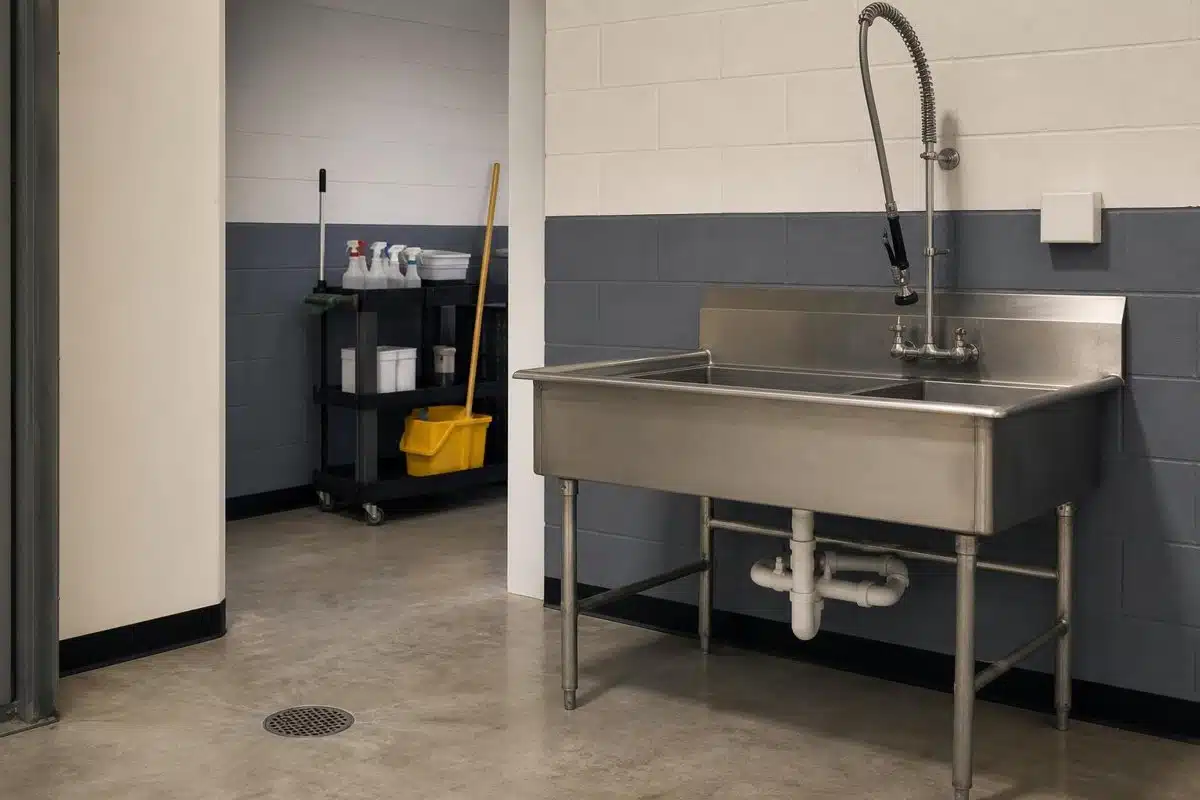
A floor drain trap holds a small amount of water in a curved section of piping. That water seal helps separate the occupied space from sewer gas in the drainage system. When the drain is used regularly, normal water flow helps refresh the seal.
In many commercial utility rooms, mechanical rooms, janitorial areas and equipment spaces, the drain may sit dry for long stretches. Evaporation, warm indoor air, air movement and infrequent cleaning can reduce the trap seal over time. Once the water level drops too low, odors can migrate through the drain opening.
A compatible trap primer replenishes water in a drain trap between normal uses. The connection and activation method vary by product and location. Sioux Chief’s trap primer overview explains how replenishment helps preserve the water seal and distinguishes mechanical, electronic and gravity-fed designs. A plumber should identify the installed device and check the manufacturer’s guidance before selecting or servicing a primer.
For a Brevard County business, the value is not just odor reduction. A maintained trap seal supports cleaner, more predictable operation in rooms that may not get daily attention. That is especially useful where the drain is out of the way, such as behind equipment, beside a mop sink, or in a mechanical space that only staff enter occasionally.
Where Infrequently Used Commercial Drains Deserve Attention
Need help with plumbing?
Inlet Mechanical’s licensed techs serve Brevard & Indian River with fast, dependable service and free estimates.
Trap primer discussions are most useful for sanitary floor drains inside buildings, not storm drainage, exterior area drains, or grease-trap systems. A commercial utility-room floor drain is a common example because it may be present for washdown, overflow protection, or incidental water, yet rarely receive enough flow to keep the trap seal stable.
Janitorial closets and mop sink areas also deserve attention. The sink may be used often, but the nearby floor drain may only see splashes or occasional cleaning water. If the room is warm, ventilated, or exposed to dry indoor air, the trap can lose water even though the space appears clean and maintained.
- Utility rooms: Drains may be present for equipment service or cleanup rather than daily drainage.
- Mechanical rooms: Heat and air movement can speed evaporation around a floor drain.
- Janitorial areas: A floor drain near a service sink may be overlooked if the sink handles most water.
- Commercial restrooms or corridors: Less-used drains can dry out between deep cleanings.
The surrounding floor should also be considered. A drain set in an appropriately sloped floor is designed to receive incidental water, but slope alone does not keep the trap sealed if water rarely reaches the drain. If staff notice odor only after a long period of no use, a dry trap is one possible cause, but the inspection should remain open-minded.
Signs That Call for Floor Drain Trap Primer Inspection
A sewer-like odor near a floor drain should be taken seriously because it can affect comfort, sanitation perception and staff confidence in the space. Still, odor is a symptom, not a diagnosis. It may point to a dry trap, but it can also come from buildup in the drain body, nearby fixtures, venting issues, damaged piping, or another source in the room.
One useful first observation is whether the odor is strongest right at the floor drain or spread throughout the area. Another is whether the room has been unused, unusually warm, recently cleaned, or affected by changes in HVAC operation. These clues help a plumbing professional decide where to start without assuming a single cause.
Visible dryness at the drain opening can be helpful, but it is not always conclusive. Some drains have grates, strainers, sediment, or geometry that make the trap water difficult to see. Pouring water into a drain may temporarily restore a trap seal, but it does not confirm that a floor drain trap primer is present, absent, clogged, misadjusted, or properly connected.
Commercial properties should avoid adding chemicals, perfumes, drain treatments, or improvised seals to address odor from a floor drain. Those steps can mask clues, damage materials, or create other maintenance problems. A safer path is a plumbing evaluation that checks the drain, trap, primer, supply connection, nearby fixtures and room conditions.
Service Planning for Trap Primers in Brevard County Buildings
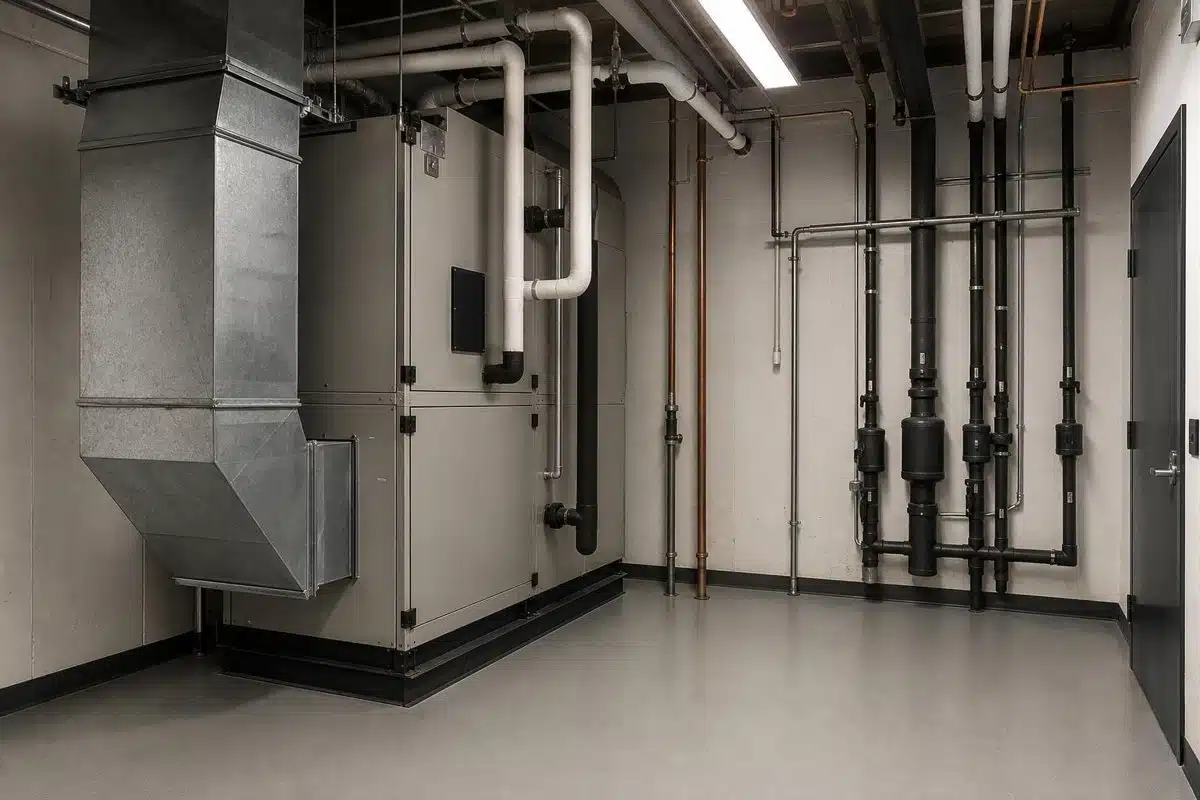
For Palm Bay, Melbourne and Brevard County businesses, service planning should begin with the use of the room. A floor drain in an active wash area may need a different maintenance conversation than a drain in a locked mechanical room. The frequency of use, accessibility, cleaning routines and equipment nearby all affect the practical recommendation.
A compatible primer must match the plumbing arrangement and the manufacturer requirements for the exact product. Some primers are installed as part of the potable water system, while others are tied to specific fixture activity or pressure changes. Because these details can involve plumbing connections and building systems, they are not a trial-and-error DIY project.
During a service visit, the goal is to identify what is actually installed and whether it is functioning as intended. That may include locating the primer, checking accessible piping, reviewing whether water reaches the trap, and looking for other drainage or fixture issues. If the room also contains HVAC equipment, condensate piping, or service sinks, coordination between plumbing and HVAC awareness can help prevent a narrow diagnosis.
Inlet Mechanical provides residential and commercial HVAC and plumbing services, which is useful when a symptom sits between systems. A mechanical room odor may seem like a plumbing issue, but air movement, condensate routing, floor drainage and room use can all influence what occupants notice. For related plumbing support, property owners can review Inlet Mechanical plumbing services, and for equipment rooms where HVAC maintenance is also part of the picture, see HVAC maintenance services.
Choosing a Practical Next Step Without Guessing
If a floor drain is seldom used but has not caused complaints, the best next step may be documentation and periodic inspection. Note where drains are located, whether a primer is present, and whether staff have reported odors or slow drainage. This information helps a technician evaluate the system more efficiently when service is scheduled.
If odor is present, do not assume the floor drain trap primer is the only concern. A technician can determine whether the trap is dry, whether the primer is delivering water, and whether other issues are contributing. This protects the business from unnecessary parts replacement and helps address the actual source of the complaint.
It is also important not to rely on memory-based maintenance alone for drains in out-of-sight areas. Staff turnover, seasonal changes, altered cleaning schedules and closed rooms can all interrupt a manual routine. Where a compatible primer is appropriate, automatic replenishment can be part of a more reliable service plan.
For multi-use properties, light commercial spaces, offices, clinics, retail back rooms and small industrial areas, the most productive conversation is specific: Which drain is affected, how often is the room used, what fixtures are nearby, and when does the odor appear? With that information, Inlet Mechanical can help plan an inspection and explain practical options through the contact page.
Frequently Asked Questions
Does a sewer-like smell always mean the trap primer failed?
No. Sewer-like odor near a floor drain can come from a dry trap, but it can also come from drain buildup, nearby fixtures, venting concerns, damaged piping, or other sources in the room. A floor drain trap primer should be inspected as part of the system, not blamed automatically. A professional evaluation helps separate a dry trap from other drainage or plumbing issues.
Can staff just pour water into an unused floor drain?
Adding water may temporarily restore a trap seal, but it is not a complete diagnosis or long-term plan for every commercial space. If the drain dries out repeatedly, the property may need an inspection to confirm whether a compatible primer exists and works properly. Staff should avoid adding chemicals or improvised treatments and should follow facility procedures for reporting odor or drainage problems.
Are trap primers used for storm drains or grease traps?
This discussion applies to interior sanitary floor drains, especially infrequently used utility-room, mechanical-room, and janitorial-area drains. Storm drainage and grease-trap systems have different purposes and design considerations. If you are unsure what a drain serves, it is better to have it identified before making assumptions about a primer, maintenance routine, or odor source.
What should I note before scheduling service?
Record the drain location, when the odor appears, how often the room is used, and whether nearby fixtures such as mop sinks, condensate lines, or service sinks are active. Note any recent cleaning, equipment changes, or room ventilation changes. These details help the technician focus the inspection and determine whether the trap, primer, or another plumbing condition needs attention.
Schedule a practical floor drain or trap primer evaluation with Inlet Mechanical for your Palm Bay, Melbourne, or Brevard County property. Call (321) 723-0858 or contact Inlet Mechanical to discuss plumbing service planning.
Talk to a Licensed Inlet Mechanical Pro
Whether it’s a repair, an upgrade, or a question, our team is ready to help homeowners and businesses across Brevard & Indian River County.
Licensed FL Mechanical (CMC1250858) · 85+ years combined experience · Free, no-obligation estimates
Written & Reviewed By
Inlet Mechanical Team
The Inlet Mechanical team brings over 85 years of combined experience in HVAC, plumbing, and mechanical construction across Florida. Our licensed professionals hold Florida Mechanical HVAC License (CMC1250858) and Florida Plumbing License (CFC1433105), along with EPA Section 608 certifications. Based in Brevard County, we serve residential, commercial, and industrial clients with expert knowledge of Florida building codes, climate-specific HVAC solutions, and local plumbing requirements. Every article is reviewed by our licensed technicians to ensure accuracy and practical value for Melbourne-area homeowners and businesses.
Last Updated: September 17, 2026