
A plumbing emergency doesn’t announce itself in advance. One moment everything is fine, and the next you’re standing in a pool of water watching it spread across your floor. What you do in the first 15 to 30 minutes can mean the difference between minor cleanup and catastrophic damage to your Melbourne home. Need professional emergency plumbing in melbourne fl? Inlet Mechanical is here to help with every step of the process.
As emergency plumbers who respond to calls across Brevard County at all hours, we’ve seen firsthand how homeowners who take the right immediate steps save themselves thousands of dollars in water damage. Here’s exactly what to do when a plumbing emergency hits.
Emergency Plumbing Melbourne FL: Step 1: Shut Off the Water
This is the single most important thing you can do. Every second water continues flowing, the damage gets worse. If you notice a toilet bowl leaking on the floor, it may signal a bigger plumbing issue.
Not sure what it will cost? Use our free plumbing cost estimator to get an instant estimate for your Brevard County home.
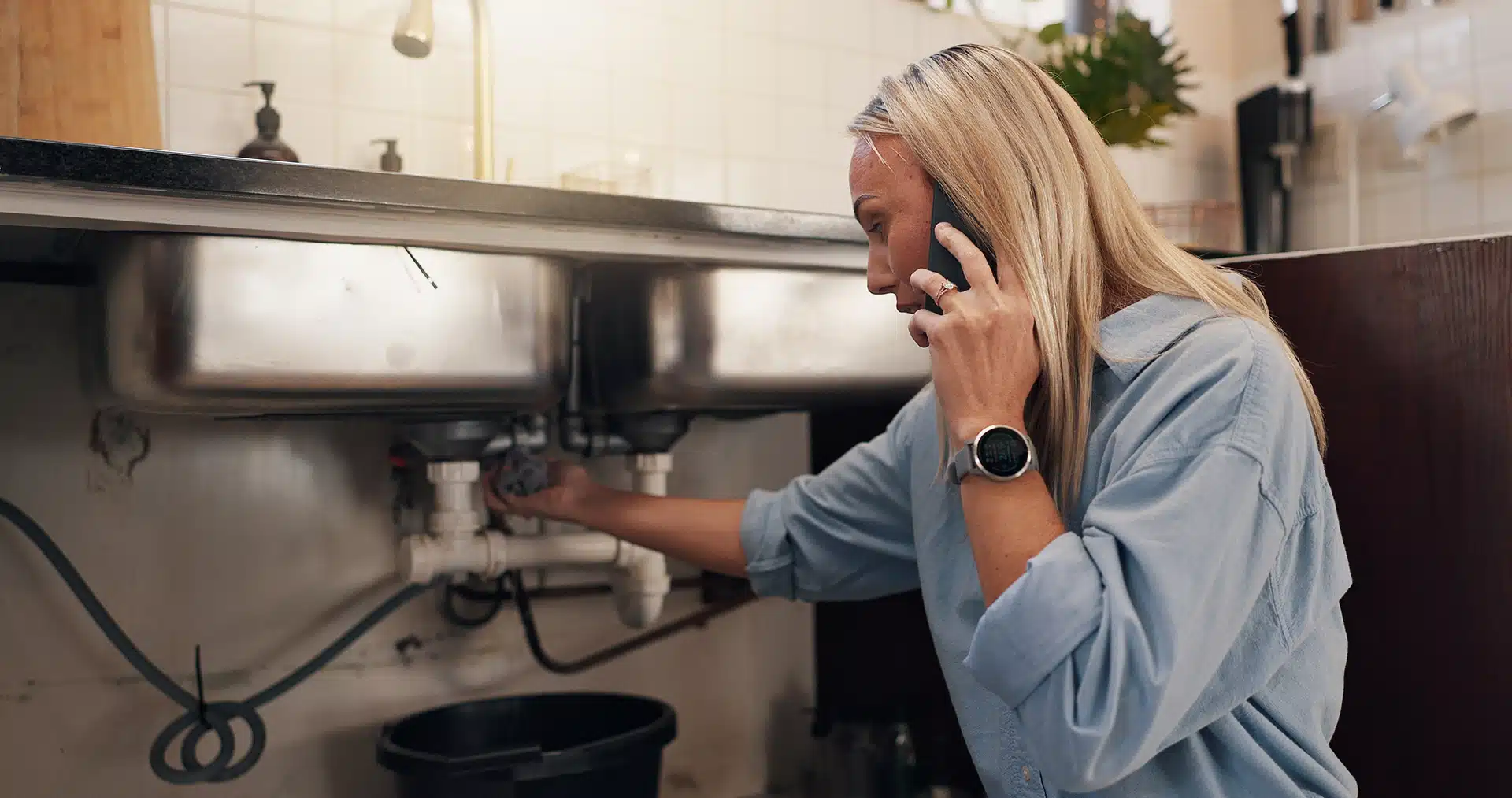
For a Localized Leak
Most plumbing fixtures have individual shut-off valves:
- Toilets: Look for the oval-shaped valve on the wall behind and below the toilet. Turn it clockwise to shut off.
- Sinks: Check under the sink for hot and cold shut-off valves. Turn both clockwise.
- Washing machine: There should be valves on the wall behind the machine for both hot and cold supply lines.
- Water heater: The cold water inlet valve on top of the heater can be turned off to stop water flow to and from the tank.
For a Major Leak or Unknown Source
If you can’t identify the source or the individual shut-off valve isn’t working, go straight to the main water shut-off valve. In most Melbourne, FL homes, the main shut-off is located in one of these places:
- Near the front of the house: Look for a round or rectangular cover in the ground near the street or sidewalk. This is the meter box, and there’s usually a shut-off valve near the meter.
- On an exterior wall: Some homes have a main shut-off on the outside of the house, often near the water heater or where the main line enters the building.
- In the garage: Some Melbourne homes have the main shut-off in the garage, near where the water line enters from outside.
Pro tip: Find your main shut-off valve right now, before you have an emergency. Test it to make sure it turns freely. If it’s stuck or corroded, have a licensed plumber replace it while it’s not an emergency.
Step 2: Turn Off the Water Heater
If you’ve shut off the main water supply during a significant leak, turn off your water heater as well. Running a water heater without water flowing through it can cause overheating and damage to the unit. For electric water heaters, switch off the breaker. For gas water heaters, turn the gas valve to the “off” or “pilot” position.
Step 3: Open Faucets to Drain Remaining Water
After shutting off the main valve, there’s still water in your pipes. Open a few faucets at low points in your home (a ground-floor bathroom, for example) to drain the remaining water from the lines. This reduces the amount of water that can continue to leak from the damaged area.
Step 4: Contain the Water
While you’re waiting for your emergency plumber to arrive, minimize water damage:
- Use towels, blankets, and mops to absorb standing water
- Place buckets under active drips
- Move furniture, electronics, and valuables away from the affected area
- If water is near electrical outlets, switch off the breaker for that area of the house first
- Open windows and use fans to start drying the area if safe to do so
Step 5: Document the Damage
Before you start cleanup, take photos and video of everything. Your homeowner’s insurance will want documentation of the damage, and it’s much easier to photograph a flooded room than to describe it after you’ve cleaned up. Capture:
Whether it’s a small leak or a major repair, our experienced Emergency Plumbing in Melbourne, FL team has you covered with prompt, professional service.
- The source of the leak (if visible)
- Standing water and how far it has spread
- Damaged flooring, walls, and baseboards
- Damaged personal property and furniture
- Water stains on ceilings if the leak is from above
Common Plumbing Emergencies in Melbourne, FL Homes
Brevard County homes face some unique plumbing challenges. Here are the emergencies we respond to most often:
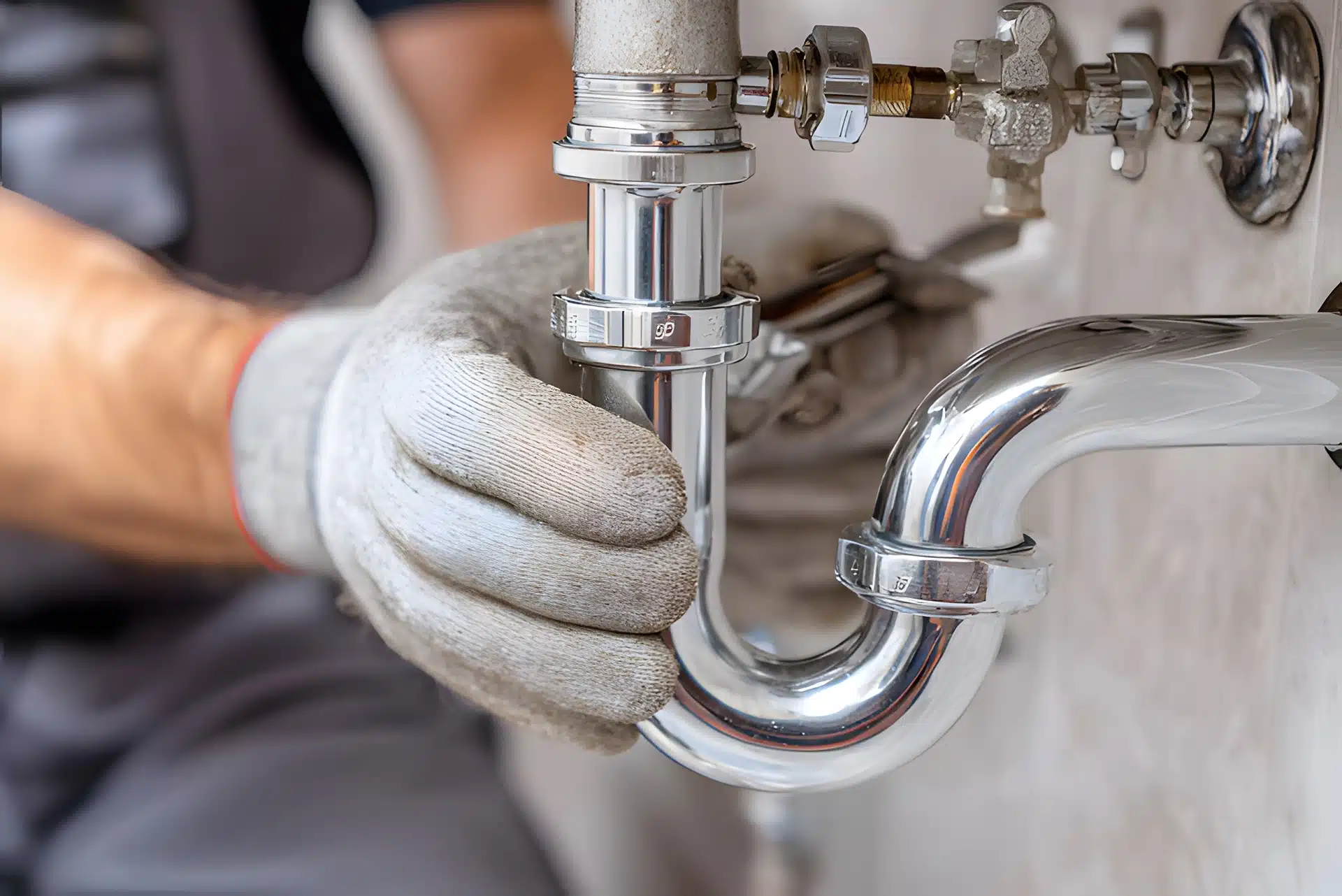
Burst Pipes from Water Pressure Issues
Melbourne’s municipal water pressure can fluctuate, and many homes experience pressure that’s too high for the plumbing system. Pressure above 80 PSI puts constant stress on pipes, fittings, and appliance connections. Over time, this pressure causes failures at weak points. If you don’t have a pressure-reducing valve (PRV) on your main line, have one installed. If you have one, have it tested periodically to make sure it’s still functioning.
Sewer Backups from Tree Roots
Central Florida’s lush vegetation includes trees and shrubs with aggressive root systems that seek out moisture. Sewer lines, especially the older clay or Orangeburg pipes found in many Brevard County homes, develop cracks that attract roots. Once roots enter the pipe, they grow rapidly, creating blockages that cause sewage to back up into your home.
Sewer backups are not just messy; they’re a health hazard. Raw sewage contains bacteria, viruses, and parasites. If you experience a sewer backup, avoid contact with the water, keep children and pets away, and ventilate the area. Do not try to clean it up yourself if there’s more than a minor amount.
Water Heater Failures
A failing water heater can leak gallons of water onto your floor in minutes. In Melbourne homes where the water heater is in a closet, garage, or utility room, this water can spread into living areas quickly. Tank failures are most common in water heaters over 8-10 years old and are often caused by internal corrosion, failed anode rods, or excessive sediment buildup.
Slab Leaks
Most Melbourne homes are built on concrete slab foundations with water and drain lines running beneath the slab. When these lines develop leaks, they’re called slab leaks. Signs include unexplained increases in your water bill, the sound of running water when everything is off, warm spots on the floor, or moisture or mildew along baseboards. Slab leaks require specialized detection equipment and experienced plumbers to repair.
What NOT to Do During a Plumbing Emergency
In the panic of a plumbing emergency, homeowners sometimes make things worse. Avoid these common mistakes:
Don’t Use Chemical Drain Cleaners
If your emergency involves a severe clog or backup, don’t pour chemical drain cleaner down the pipe. These products can damage pipes (especially older ones), create toxic fumes, and make the situation worse. They also create a hazard for the plumber who shows up to fix the real problem. If the drain cleaner is sitting in a backed-up pipe, it’s a chemical hazard for anyone working on it.
Don’t Try to Fix Gas Lines
If you smell gas or suspect a gas line issue, do not attempt any repair. Leave the house, don’t turn on or off any electrical switches, and call the gas company emergency line from outside. Gas leaks are life-threatening emergencies that require trained professionals.
Don’t Ignore Sewage Backup Health Risks
Sewage backup isn’t just an inconvenience. Category 3 water (sewage) contains serious pathogens. Don’t wade through it, don’t try to mop it up with household cleaners, and don’t assume it’s safe once the water recedes. Professional remediation may be necessary, and your insurance likely covers it.
Don’t Delay Calling a Professional
Many homeowners try to “see if it stops” or “wait until morning.” Water damage gets exponentially worse with time. Mold can begin growing within 24 to 48 hours in Florida’s humidity. The cost of an after-hours plumber is a fraction of the cost of water damage restoration and mold remediation.
When to Call 911 vs. an Emergency Plumber
Call 911 if:
- You smell gas
- Flooding is threatening the structural safety of your home
- Sewage backup is creating a health emergency (elderly or immunocompromised individuals)
- Water is in contact with electrical panels or live wiring and you cannot safely shut off the breaker
Call an emergency plumber for everything else: burst pipes, major leaks, sewer backups, water heater failures, and slab leaks.
Preventing Plumbing Emergencies in Your Melbourne Home
The best emergency is one that never happens. Here are practical prevention steps for Brevard County homeowners:

- Annual plumbing inspection: Have a licensed plumber inspect your system once a year. They’ll check for early signs of trouble before it becomes an emergency.
- Know your shut-off valves: Locate and test every shut-off valve in your home. Make sure family members know where the main shut-off is.
- Manage tree roots: If you have large trees near your sewer line, schedule a sewer camera inspection every few years to check for root intrusion.
- Replace old supply lines: Flexible supply lines to toilets, sinks, and washing machines are a common source of catastrophic leaks. Replace them every 5-8 years, and upgrade to stainless steel braided lines.
- Install a water leak detector: Smart water leak detectors can alert you to leaks and even shut off your water automatically, potentially saving thousands in damage when you’re away from home.
- Maintain your water heater: Flush your water heater annually and have the anode rod checked. A $200 maintenance visit can prevent a $2,000 emergency.
For businesses in Melbourne and Brevard County, Inlet Mechanical also offers commercial plumbing services including backflow testing, grease trap maintenance, and tenant buildouts.
Cocoa and Cocoa Beach residents can count on our Cocoa FL plumbing and HVAC team for fast, licensed service throughout northern Brevard County.
Palm Bay homeowners needing plumbing help can reach our local Palm Bay FL plumber team for same-day service and upfront pricing.
Trusted Resources: The U.S. Environmental Protection Agency promotes water efficiency through the WaterSense program, helping homeowners reduce water waste. The U.S. Environmental Protection Agency provides resources on drinking water safety and quality standards.
Frequently Asked Questions
What qualifies as a plumbing emergency?
Situations that require immediate attention include complete system failures during extreme heat, gas leaks or gas odors, sewer backups, burst pipes, flooding from plumbing failures, and electrical hazards from plumbing equipment. If you experience any of these in Melbourne, FL, call Inlet Mechanical immediately at (321) 723-0858.
Does emergency plumbing service cost more?
Emergency and after-hours service calls may carry a premium compared to standard scheduled appointments. However, delaying a true emergency can lead to water damage, safety hazards, and significantly higher repair costs. Inlet Mechanical provides transparent pricing and will explain all costs before starting any emergency work.
What should I do while waiting for emergency plumbing help?
Turn off the affected system to prevent further damage. For plumbing emergencies, shut off the main water valve. For gas leaks, leave the building immediately and call 911 before calling a plumber. For AC or heating failures, check the thermostat and circuit breaker first. Document the issue with photos if safely possible to help the technician diagnose the problem faster.
Inlet Mechanical: Your Melbourne Emergency Plumber
As a trusted provider of Emergency Plumbing in Melbourne, FL services, Inlet Mechanical delivers dependable solutions for homes and businesses throughout the area.
When a plumbing emergency strikes in Melbourne, Palm Bay, Cocoa, or anywhere in Brevard County, Inlet Mechanical is ready to respond. Our emergency plumbing team is available 24/7, and our licensed technicians arrive equipped to handle any situation.
Don’t wait for an emergency to find a plumber you trust. Save our number now, and when you need us, we’ll be there.
Related Reading
- Melbourne, FL Plumbing Code Requirements Homeowners Should Know
- Why Your Water Heater Pressure Relief Valve Is Dripping
Also Read: Why Your Water Heater Pressure Relief Valve Is Dripping
From emergency plumbing in Melbourne, FL to emergency repairs, Inlet Mechanical has Palm Bay and Melbourne covered.
If emergency plumbing melbourne fl is starting to affect your home, Inlet Mechanical can inspect the plumbing, confirm the cause, and recommend the most practical next step before the repair grows.

Written & Reviewed By
Inlet Mechanical Team
The Inlet Mechanical team brings over 85 years of combined experience in HVAC, plumbing, and mechanical construction across Florida. Our licensed professionals hold Florida Mechanical HVAC License (CMC1250858) and Florida Plumbing License (CFC1433105), along with EPA Section 608 certifications. Based in Brevard County, we serve residential, commercial, and industrial clients with expert knowledge of Florida building codes, climate-specific HVAC solutions, and local plumbing requirements. Every article is reviewed by our licensed technicians to ensure accuracy and practical value for Melbourne-area homeowners and businesses.
Last Updated: March 22, 2026