
A ductless mini-split runs differently than a central air system, and its maintenance needs are a little different too. There’s no ductwork to worry about, but there are components a central system doesn’t have, like an indoor unit’s washable filters and a condensate line that behaves differently than a traditional air handler’s drain pan. If you’ve added a mini-split to a Florida sunroom, garage conversion, or addition, here’s what keeping it running well actually looks like.
Indoor Unit: Filters and Coil Access
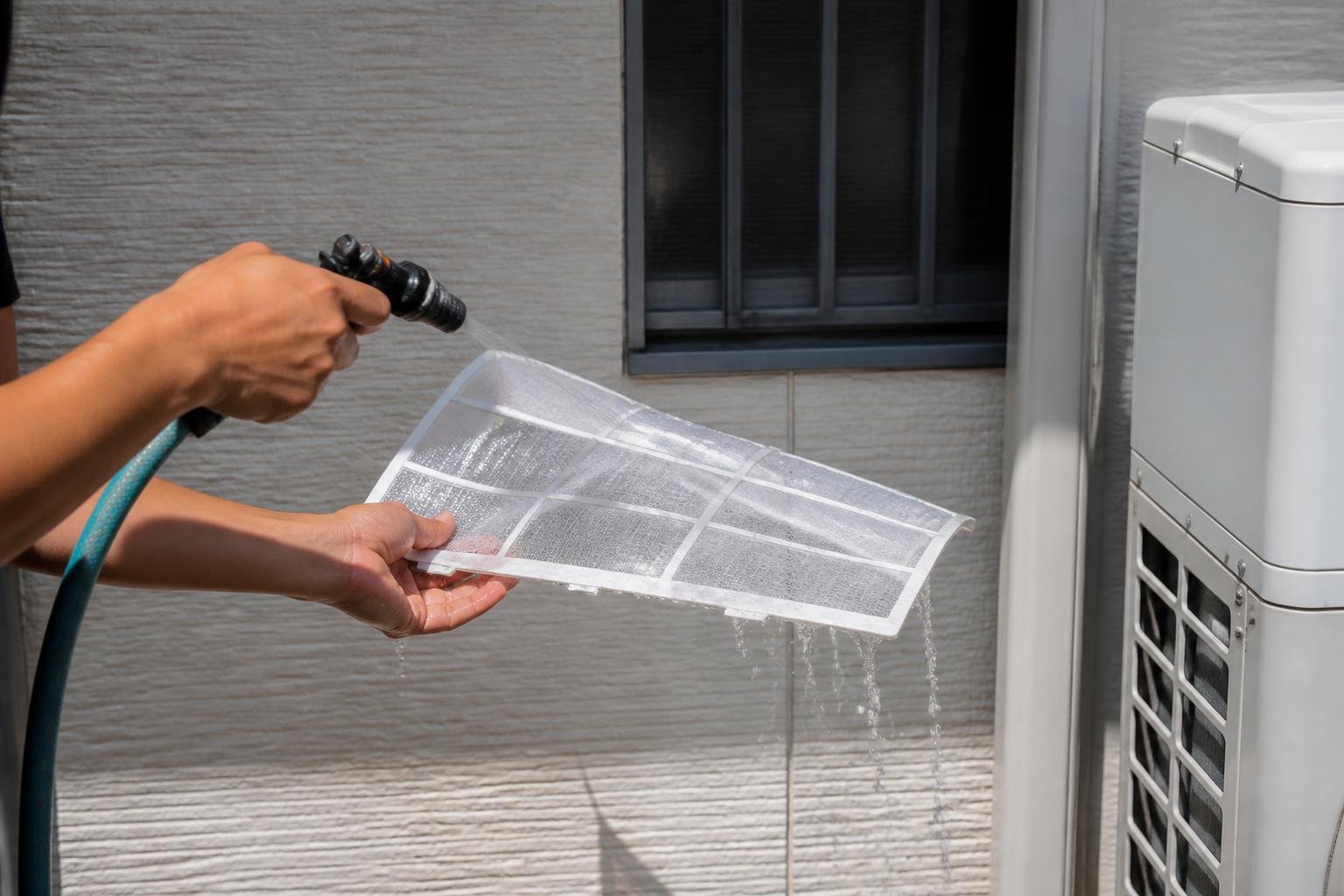
The indoor head of a mini-split has washable filters that are easier to access than a central system’s filter, which is either a convenience or an easy thing to forget about, depending on how you look at it. These filters should be checked regularly, more often in a room that sees dust, pet hair, or is near an open window, since a mini-split’s smaller footprint means a dirty filter affects performance more noticeably than it might in a larger central system. Rinsing them with water and letting them dry fully before reinstalling is usually all that’s needed, no special cleaning products required.
- Filter checks: Every few weeks in rooms with higher dust or pet hair, monthly as a baseline otherwise.
- Coil and fan blade cleaning: Dust buildup on the indoor unit’s coil and fan blades reduces airflow and efficiency over time, and this is worth a periodic professional cleaning rather than a DIY project given how compact the components are.
- Drain line check: Confirming the condensate line is draining properly prevents water from backing up into the indoor unit or dripping where it shouldn’t.
Outdoor Unit: What Florida’s Environment Adds to the List
Need help with AC & heating?
Inlet Mechanical’s licensed techs serve Brevard & Indian River with fast, dependable service and free estimates.
The outdoor condenser on a mini-split system faces the same environmental exposure as a central AC’s outdoor unit, sun, humidity, salt air in coastal parts of Brevard County, and yard debris. Keeping the area around the unit clear of grass clippings, leaves, and overgrown landscaping helps it breathe properly, since restricted airflow around the outdoor coil makes the whole system work harder. It’s also worth a visual check that the unit is still sitting level and that the refrigerant line set’s insulation hasn’t degraded from UV exposure, since a mini-split relies on that line set running between the indoor and outdoor components.
Signs Your Mini-Split Needs More Than Routine Upkeep
Some symptoms point past basic maintenance toward something that needs a closer look:
- Water dripping from the indoor unit. Usually a drain line clog or a unit that’s no longer level, both fixable but worth addressing before it affects nearby surfaces.
- Weak airflow even with a clean filter. Could point to a coil that needs professional cleaning or a fan motor issue.
- Ice forming on the indoor or outdoor unit. Often related to airflow restriction or refrigerant level, and running the system in that condition can cause further damage.
- Unusual noise from the outdoor unit. Worth having checked rather than ignored, since it can indicate a loose component or debris interference.
Building a Routine That Actually Sticks
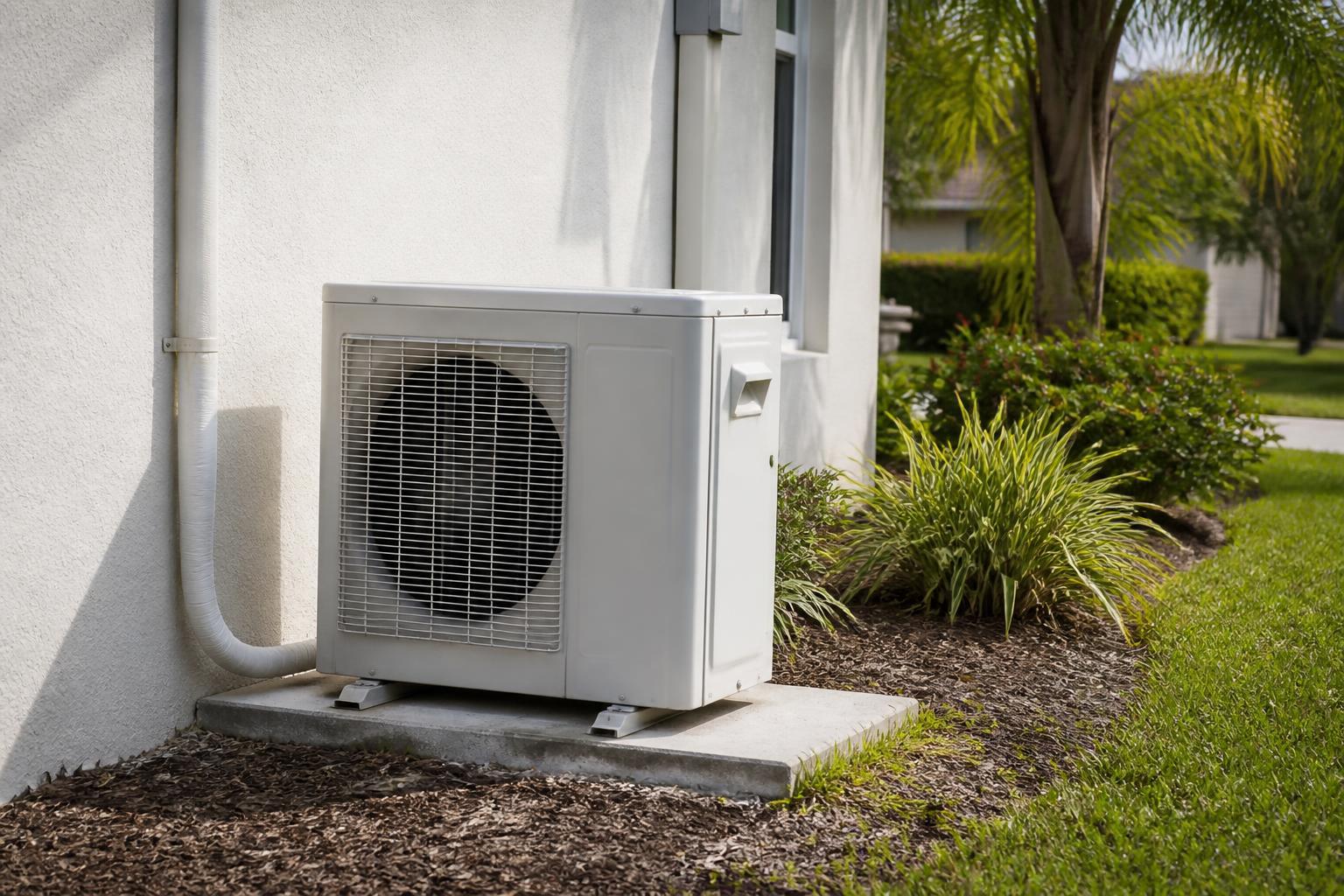
Because mini-splits are often added to a specific room rather than the whole house, it’s easy for their maintenance to fall outside whatever routine you already have for a central system. Tying filter checks to a recurring reminder, like the first of the month, and pairing an annual professional service visit with your central system’s seasonal tune-up keeps the mini-split from being the one thing that gets forgotten.
Coastal Considerations for Outdoor Units
Mini-split condensers installed closer to the coast in parts of Brevard County face faster corrosion on their coils and cabinet hardware than units further inland, since salt air accelerates the same kind of wear that humidity causes everywhere else in Florida. Rinsing the outdoor unit’s exterior periodically with fresh water can help slow that process, though it’s worth checking the manufacturer’s guidance first, since some coil coatings and cabinet finishes handle rinsing differently than others. If you’ve noticed pitting, rust spots, or a cabinet that looks more weathered than the unit’s age would suggest, it’s worth having a technician take a closer look at whether the coil itself has been affected, since coil corrosion can eventually lead to refrigerant leaks that are more involved to repair than routine maintenance.
Choosing a mounting location that avoids direct salt spray where possible, and keeping the unit elevated slightly off ground level in flood-prone areas, are both worth discussing at installation time if you’re in a coastal part of the service area.
Comparing Upkeep to a Central System
Homeowners who’ve only owned central air sometimes assume a mini-split needs less attention simply because it’s a smaller, more contained unit, but that’s not quite accurate. A central system’s filter lives in one place and gets checked as part of one routine. A home with multiple mini-split heads, each serving a different room, means multiple filters to check on their own schedules, which can actually add up to more total upkeep time even though each individual task is simpler. The tradeoff is that mini-splits give you room-by-room control that a central system doesn’t, so for many homeowners the slightly higher maintenance overhead is a reasonable exchange for that flexibility and the energy savings that come with only conditioning the rooms actually in use.
How Much Efficiency Is Actually at Stake
Ductless systems have a reputation for being efficient, and neglected maintenance is one of the more common ways that efficiency gets eroded over time. ENERGY STAR notes that certified ductless mini-split heat pumps can use up to 60 percent less energy than standard electric heating, with heating and cooling typically making up close to half of a household’s total energy bill. A dirty coil, a clogged filter, or a fouled outdoor unit doesn’t erase that efficiency advantage entirely, but it chips away at it, and a system working harder than it should to move the same amount of air is quietly costing more every month it goes unaddressed.
This is part of why the filter and coil maintenance covered above isn’t just about avoiding a breakdown, it’s about keeping the system performing closer to the efficiency it was rated for when it was installed. A mini-split that’s several years past its last coil cleaning can still run and still cool the room, it’s just doing it less efficiently than a well-maintained unit would, which is a harder thing to notice day to day than a system that’s stopped working outright.
Frequently Asked Questions
How often should I clean a mini-split’s indoor filter?
It depends on the room’s dust and pet hair levels, but checking every few weeks and cleaning as needed, with a baseline of at least monthly, keeps most units performing well and extends the time between professional service visits.
Can I clean the outdoor unit’s coil myself?
Clearing debris and vegetation around the unit is fine to do yourself. Cleaning the coil itself is usually better left to a professional visit, since it involves accessing components that are easy to damage without the right approach or tools.
Why does my mini-split drip water from the indoor unit?
This is most often a clogged or improperly sloped condensate drain line, though it can also happen if the unit isn’t mounted level. Either issue is worth addressing before it causes water damage to the wall or floor below the unit.
If your ductless system in Palm Bay or Melbourne needs a closer look, our cooling services team can help, including our ductless mini-split service. Contact Inlet Mechanical to schedule maintenance before the next stretch of hot weather.
Talk to a Licensed Inlet Mechanical Pro
Whether it’s a repair, an upgrade, or a question, our team is ready to help homeowners and businesses across Brevard & Indian River County.
Licensed FL Mechanical (CMC1250858) · 85+ years combined experience · Free, no-obligation estimates
Written & Reviewed By
Inlet Mechanical Team
The Inlet Mechanical team brings over 85 years of combined experience in HVAC, plumbing, and mechanical construction across Florida. Our licensed professionals hold Florida Mechanical HVAC License (CMC1250858) and Florida Plumbing License (CFC1433105), along with EPA Section 608 certifications. Based in Brevard County, we serve residential, commercial, and industrial clients with expert knowledge of Florida building codes, climate-specific HVAC solutions, and local plumbing requirements. Every article is reviewed by our licensed technicians to ensure accuracy and practical value for Melbourne-area homeowners and businesses.
Last Updated: September 24, 2026