
Florida homeowners know just how crucial effective cooling is, especially in Palm Bay where heat and humidity can be relentless. Selecting the right central air conditioning system not only provides comfort but also impacts your energy costs and property value. Yet, with so many options available, making an informed decision is essential to ensure years of reliable performance.
Homeowners across the Space Coast rely on Inlet Mechanical for residential HVAC in Palm Bay, FL.
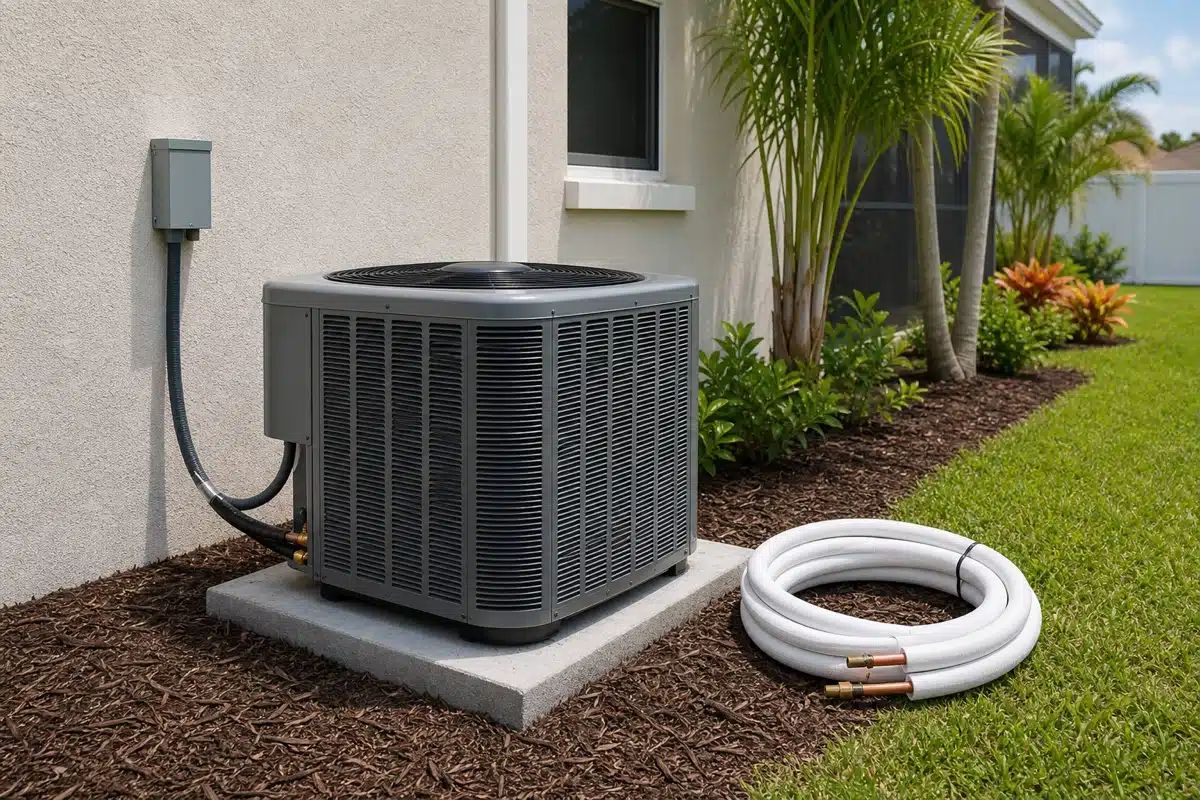
Whether you’re upgrading an old unit or installing a new system, understanding the features and benefits of today’s central air conditioning models helps you choose a solution tailored to your home and climate. This guide explores key considerations, system types, local factors, and answers common questions to help Palm Bay residents make the best choice for their households.
Evaluating Central Air Conditioning Options for Palm Bay Homes
When it comes to cooling a Florida home, central air conditioning remains the gold standard for consistent, whole-house comfort. The primary types include split systems, packaged units, and heat pumps—each with unique advantages. Split systems are popular for their efficiency, with components located both inside and outside the home, allowing for quieter operation and better energy management. Packaged units, on the other hand, contain all components in one cabinet and are often used in homes with limited indoor space.
Heat pumps, which provide both cooling and heating, are increasingly popular due to their versatility and efficiency in Florida’s mild winters. When choosing among these options, consider factors like your home’s square footage, insulation levels, and ductwork condition. Consulting with local HVAC professionals can help you determine which system type best matches your property’s needs while maximizing energy efficiency.
Key Features and Upgrades to Consider
Need help with AC & heating?
Inlet Mechanical’s licensed techs serve Brevard & Indian River with fast, dependable service and free estimates.
Today’s central air conditioning systems offer a range of features designed to improve comfort and minimize operating costs. Variable-speed compressors, for example, adjust output to match cooling demand, resulting in quieter operation and lower utility bills. Enhanced filtration systems help reduce allergens and improve indoor air quality—an important consideration in humid climates like Palm Bay.
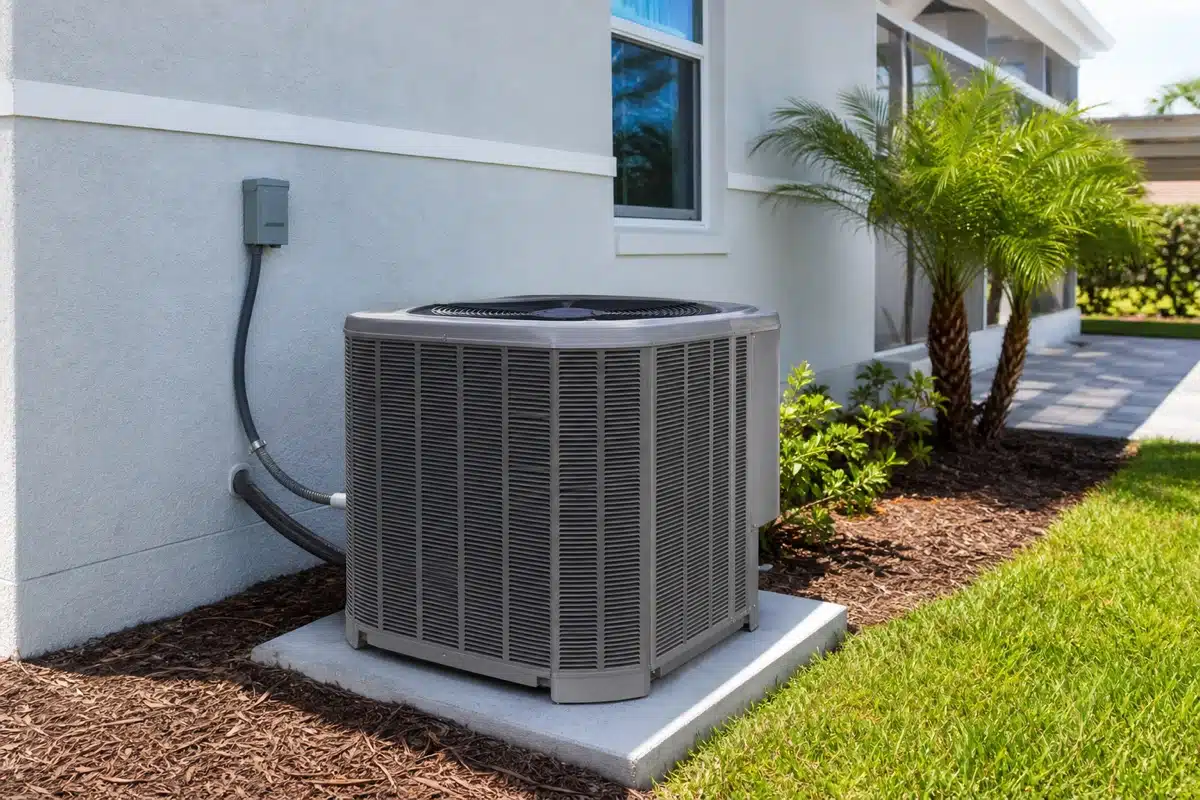
Smart thermostats and zoning capabilities enable homeowners to control cooling in different areas of the house, further increasing comfort and efficiency. For a comprehensive overview of efficiency ratings and system innovations, explore the U.S. Department of Energy’s recommendations at Energy Saver Central Air Conditioning Guide. These advancements not only enhance everyday living but may also qualify for local rebates and incentives.
Local Factors Affecting Central AC Performance
Palm Bay’s coastal climate introduces unique challenges for central air conditioning performance and longevity. High humidity, salt air, and intense sun exposure can accelerate wear on outdoor components. It’s vital to select systems specifically rated for coastal environments, with corrosion-resistant materials and protective coatings on the condenser unit.
Regular maintenance, such as coil cleaning and filter replacement, is especially important in this region. Homeowners should also ensure their ductwork is properly sealed and insulated to prevent energy loss. For a quick estimate of installation or replacement costs, use the HVAC Cost Calculator provided by Inlet Mechanical, which tailors estimates to Palm Bay’s specific needs.
Cost Considerations and Installation Process
Investing in a new central air conditioning system is a significant decision, and it pays to understand the total cost of ownership. Beyond the initial purchase price, factor in installation expenses, ongoing maintenance, and energy consumption. Systems with higher SEER (Seasonal Energy Efficiency Ratio) ratings typically offer lower operating costs, but may require a larger upfront investment.
Professional installation is critical to ensure proper sizing and optimal performance. A reputable local contractor like Inlet Mechanical will assess your home’s requirements and recommend the right system for your budget. For more detailed information on what to expect during installation, refer to the ENERGY STAR Central AC Guide. After installation, regular service—such as that offered in Melbourne and surrounding areas—keeps your system running efficiently year after year.
Frequently Asked Questions
What size central air conditioning system do I need for my home?
The correct system size depends on your home’s square footage, insulation, window quality, and ductwork. An HVAC professional will perform a load calculation to ensure your system is neither too small nor oversized, optimizing comfort and efficiency.
How often should I schedule maintenance for my central AC system?
Experts recommend at least annual maintenance, ideally before peak summer. Regular service includes checking refrigerant levels, cleaning coils, inspecting ductwork, and replacing filters. This helps prevent breakdowns and extends the life of your system.
Are there energy-efficient options for central air conditioning in Palm Bay?
Yes, many modern systems offer high SEER ratings, variable-speed compressors, and smart controls. These features can significantly reduce energy consumption. Inlet Mechanical’s residential HVAC services can help you select and maintain an energy-efficient system tailored to your needs.
Choosing the right central air conditioning system is a smart investment in your home’s comfort and value. For personalized advice or to request an estimate, contact Inlet Mechanical today at (321) 723-0858 or visit our contact page to get started with expert local service.
Talk to a Licensed Inlet Mechanical Pro
Whether it’s a repair, an upgrade, or a question, our team is ready to help homeowners and businesses across Brevard & Indian River County.
Licensed FL Mechanical (CMC1250858) · 85+ years combined experience · Free, no-obligation estimates
Written & Reviewed By
Inlet Mechanical Team
The Inlet Mechanical team brings over 85 years of combined experience in HVAC, plumbing, and mechanical construction across Florida. Our licensed professionals hold Florida Mechanical HVAC License (CMC1250858) and Florida Plumbing License (CFC1433105), along with EPA Section 608 certifications. Based in Brevard County, we serve residential, commercial, and industrial clients with expert knowledge of Florida building codes, climate-specific HVAC solutions, and local plumbing requirements. Every article is reviewed by our licensed technicians to ensure accuracy and practical value for Melbourne-area homeowners and businesses.
Last Updated: June 18, 2026