
Many homes throughout Melbourne, Palm Bay, and Brevard County have their air conditioning air handlers installed in the attic. This placement is especially common in single-story Florida homes built from the 1980s onward, where builders chose attic installations to save interior living space and simplify ductwork routing. While attic AC installations offer certain advantages, they also present unique challenges in the Florida climate that every homeowner should understand.
Whether you are buying a home with an existing attic AC unit, considering a new installation, or troubleshooting issues with your current system, knowing the pros and cons helps you make informed decisions about your home comfort and energy costs.
Attic AC Unit Pros Cons Florida: Advantages of Attic AC Installations
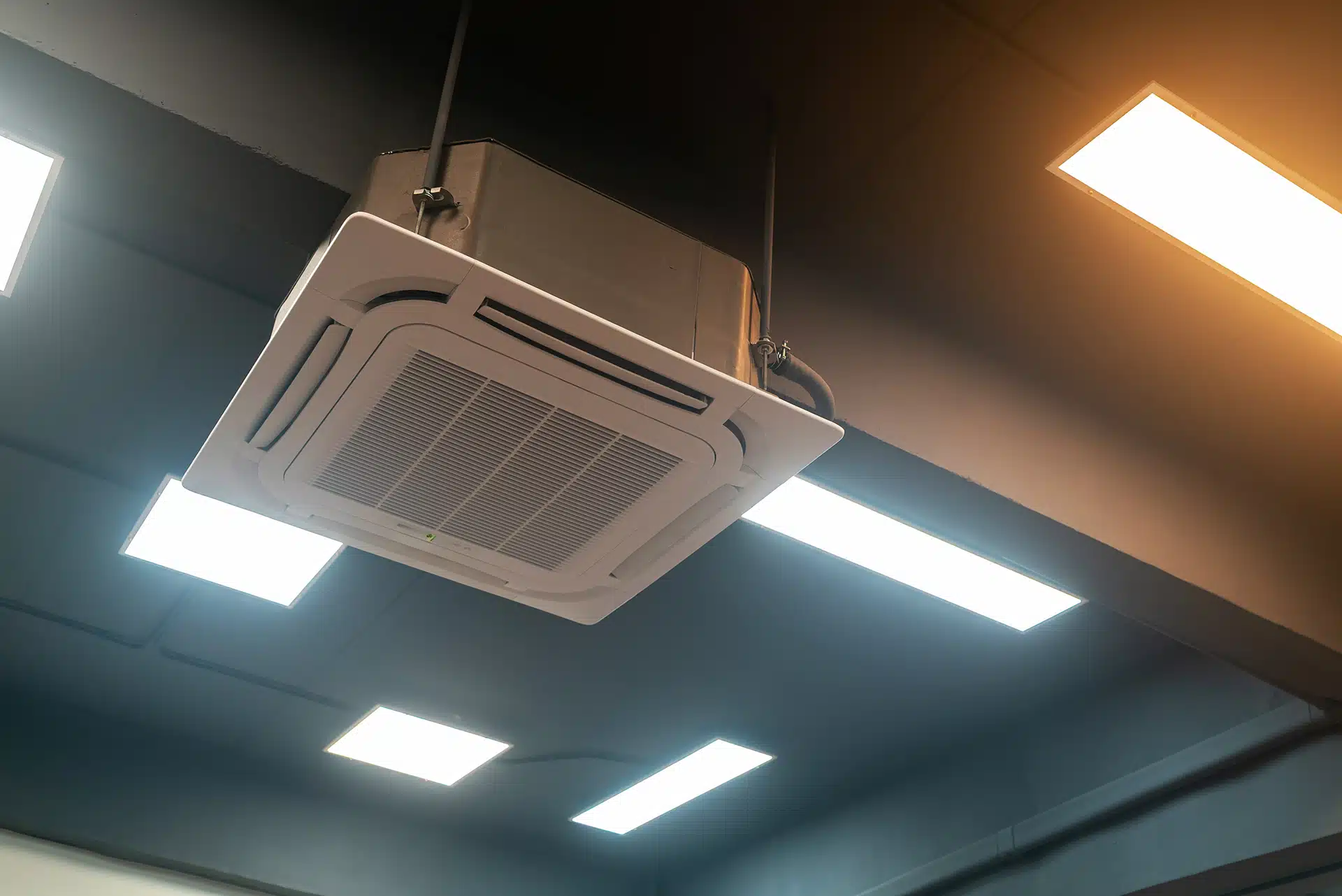
The most significant benefit of placing the air handler in the attic is space savings. Florida homes often lack basements, and utility closets take up valuable living area. An attic installation frees up interior square footage that would otherwise be dedicated to HVAC equipment. For smaller homes common in Palm Bay subdivisions, this extra space can make a meaningful difference in livability.
Attic installations simplify ductwork design in single-story homes. With the air handler positioned above the living spaces, ducts run downward through the ceiling to supply registers, creating shorter and more direct duct runs. Shorter duct runs mean less opportunity for air leakage and potentially more even air distribution throughout the home. Need help deciphering those flashing lights? Check out our complete guide to AC codes and what they mean.
Noise reduction is another advantage. When the air handler operates in the attic, the sound of the blower motor and airflow is buffered by the ceiling and attic insulation. Homeowners with attic units typically experience less operational noise in their living spaces compared to closet or garage installations.
Attic units also keep potential water damage from condensate overflow away from finished living areas, provided the drain pan and safety switches are properly installed and maintained. Florida building code requires a secondary drain pan under attic-mounted air handlers and a float switch that shuts off the system if the primary drain line becomes clogged, preventing catastrophic water damage to ceilings and walls below.
Disadvantages and Challenges in the Florida Climate
The primary drawback of attic AC installations in Florida is the extreme heat that attics experience. During summer months, attic temperatures in Brevard County homes routinely reach 140 to 160 degrees Fahrenheit. This intense heat forces your air conditioning system to work significantly harder because the air handler, ductwork, and refrigerant lines are all surrounded by superheated air.
Studies have shown that attic-mounted AC systems in hot climates can use 15 to 30 percent more energy than equivalent systems installed in conditioned spaces. The cold air traveling through ductwork in a 150-degree attic absorbs heat through the duct walls, even with insulated ductwork. This thermal gain means your system must produce colder air and run longer to maintain comfortable temperatures in your living spaces.
Duct leakage compounds this efficiency problem. According to the U.S. Department of Energy, typical duct systems lose 20 to 30 percent of conditioned air through leaks, holes, and poor connections. When those leaks occur in a scorching attic, the energy loss is dramatically worse than if the ducts were in a conditioned space. Having a professional HVAC technician in Melbourne FL perform duct sealing and testing can significantly improve efficiency for attic-mounted systems.
Condensation management is a critical concern for attic AC units in Florida. The air handler produces large amounts of condensate as it removes humidity from the air. The primary condensate drain line must be properly routed and maintained to prevent clogs from algae growth, which thrives in Florida warmth. A clogged condensate drain can lead to water overflowing into the secondary pan and potentially causing ceiling damage if the float switch malfunctions.
Maintenance access is more difficult with attic installations. Technicians must navigate through attic spaces that can be extremely hot during service calls, and limited headroom or awkward access points can make repairs more time-consuming and costly. Homeowners also find it harder to perform basic maintenance tasks like filter changes when the air handler is in the attic.
The weight of the air handler and potential water accumulation can stress ceiling structures over time. Proper support framing is essential during installation to distribute the weight safely. Florida building inspectors pay close attention to attic HVAC mounting details for this reason.
Trusted Resources: The U.S. Department of Energy provides comprehensive guides on heating and cooling efficiency for homeowners. The ENERGY STAR offers efficiency ratings and recommendations for HVAC equipment.
Frequently Asked Questions
When should I call a professional about attic ac unit pros cons florida?
You should call a licensed HVAC professional when you notice unusual performance, higher-than-normal energy bills, strange noises or odors, or any signs of leaks or moisture. In Brevard County, FL, Florida’s heat and humidity can accelerate wear on systems, making prompt attention to issues especially important. Call Inlet Mechanical at (321) 723-0858.
How does Florida’s climate affect attic ac unit pros cons florida?
Florida’s combination of high heat, humidity, and salt air (for coastal areas) creates unique demands on HVAC systems. Equipment works harder and longer than in milder climates, accelerating wear on components. Regular professional maintenance adapted to these conditions is essential for reliability and longevity in Brevard County, FL.
Does Inlet Mechanical handle attic ac unit pros cons florida for both residential and commercial properties?
Yes, Inlet Mechanical serves both residential and commercial customers throughout Brevard County, including Melbourne, Palm Bay, Cocoa, and surrounding communities. We hold Florida Mechanical HVAC License CMC1250858 and Florida Plumbing License CFC1433105. Call (321) 723-0858 to schedule service.
Improving Attic AC Performance in Brevard County Homes
If your Melbourne or Palm Bay home has an attic-mounted AC system, several upgrades can significantly improve its efficiency and longevity. Increasing attic insulation to R-38 or higher (the current Florida building code minimum for new construction) reduces the extreme temperatures your equipment operates in and keeps more conditioned air from escaping through the ceiling.
Radiant barrier installation on the underside of the roof decking can reduce attic temperatures by 20 to 30 degrees, easing the thermal burden on your HVAC equipment and ductwork. This relatively inexpensive upgrade typically pays for itself through energy savings within two to three years in the Florida climate.
Having your ductwork professionally sealed using mastic or aerosol-based sealing technology eliminates air leaks and can improve system efficiency by 10 to 20 percent. Combined with proper duct insulation rated for attic temperatures, sealed ductwork makes a substantial difference in cooling performance and energy bills.
Regular maintenance is especially critical for attic-mounted systems. Schedule professional AC maintenance at least twice per year to inspect the condensate drain, check refrigerant levels, clean the evaporator coil, and verify that safety switches are functioning properly. The harsh attic environment accelerates wear on components, making preventive maintenance even more valuable.
Proper attic ventilation through ridge vents, soffit vents, or powered attic fans helps reduce extreme attic temperatures and extends the life of your HVAC equipment. Consult with a qualified HVAC contractor to determine the best ventilation strategy for your specific home design.
Whether you need maintenance for an existing attic AC installation, want to improve your system efficiency, or are considering a new HVAC installation for your Melbourne, Palm Bay, or Brevard County home, contact Inlet Mechanical today. Our licensed HVAC technicians (FL License CMC1250858) can evaluate your system and recommend the best solutions for your comfort and budget. Call (321) 723-0858 to schedule your appointment.
Related Reading
- AC Filter Types: Which One Is Best for Florida Homes
- How Humidity Control Extends AC Lifespan in Florida
Also Read: How Humidity Control Extends AC Lifespan in Florida
Whether you need help with attic AC unit pros and cons in Florida, the licensed HVAC professionals at Inlet Mechanical serve Palm Bay, Melbourne, and all of Brevard County.
If attic ac unit pros cons florida is affecting comfort or efficiency, Inlet Mechanical can inspect the equipment, confirm the root issue, and recommend the most practical HVAC solution for your property.

Written & Reviewed By
Inlet Mechanical Team
The Inlet Mechanical team brings over 85 years of combined experience in HVAC, plumbing, and mechanical construction across Florida. Our licensed professionals hold Florida Mechanical HVAC License (CMC1250858) and Florida Plumbing License (CFC1433105), along with EPA Section 608 certifications. Based in Brevard County, we serve residential, commercial, and industrial clients with expert knowledge of Florida building codes, climate-specific HVAC solutions, and local plumbing requirements. Every article is reviewed by our licensed technicians to ensure accuracy and practical value for Melbourne-area homeowners and businesses.
Last Updated: March 22, 2026