
The evaporator coil is one of the most critical components in your air conditioning system, responsible for absorbing heat and humidity from your indoor air. Located inside your air handler, this copper or aluminum coil contains cold refrigerant that draws heat from the air passing over it, producing the cool, dehumidified air that keeps your Florida home comfortable. When evaporator coil problems develop, your entire AC system suffers, resulting in reduced cooling, higher energy bills, and potential damage to other components.
For homeowners in Melbourne FL, Palm Bay, and across Brevard County, evaporator coil issues are especially impactful because your AC system works harder and longer than systems in cooler climates. Understanding common evaporator coil problems and their solutions helps you maintain efficient cooling and avoid costly breakdowns.
AC Evaporator Coil Problems: Dirty and Clogged Evaporator Coils
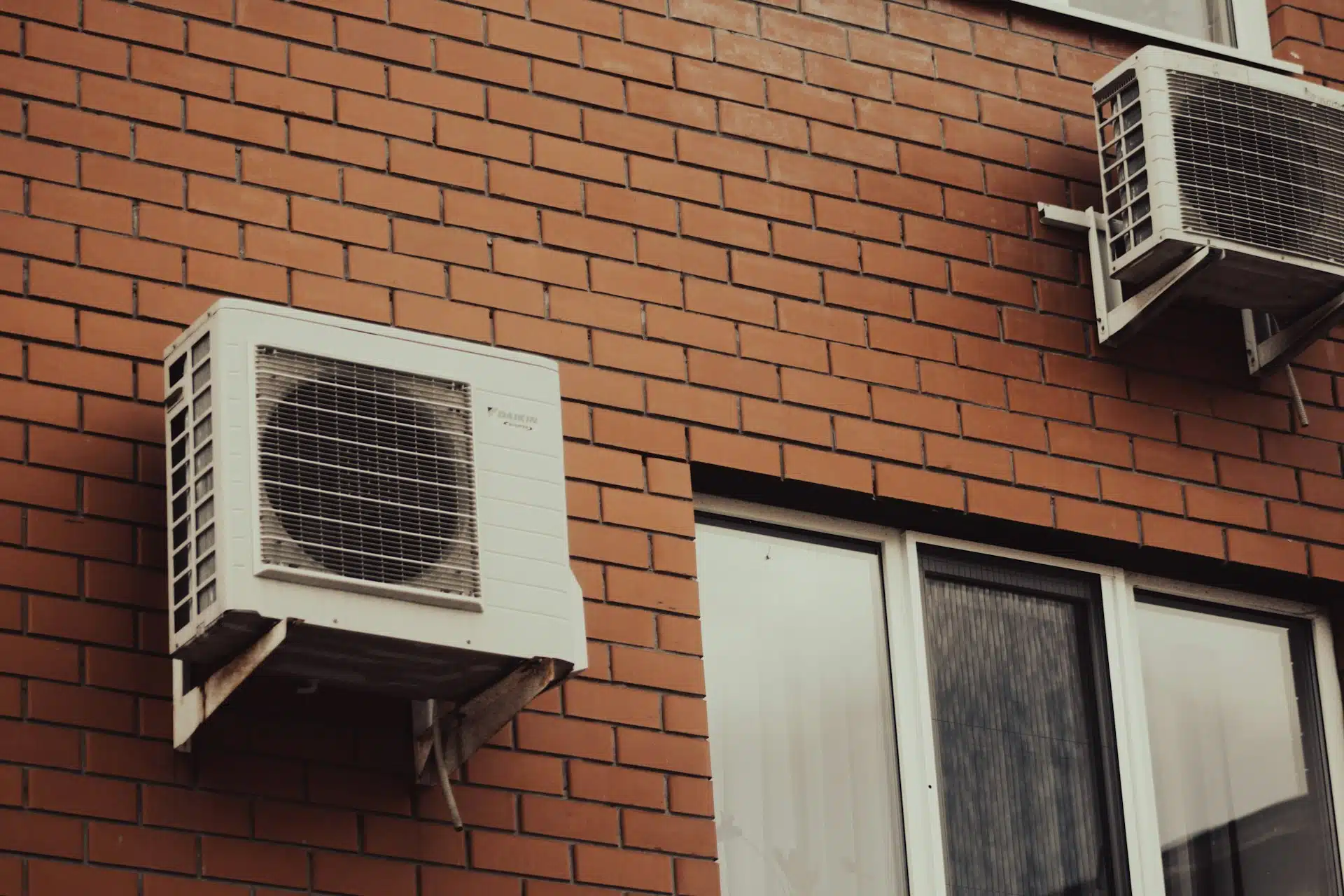
A dirty evaporator coil is the most common coil-related problem in residential AC systems. Despite having an air filter to catch airborne particles, some dust, pollen, pet dander, and biological material inevitably passes through and accumulates on the coil surface over time. In the humid Florida climate, this accumulation combines with condensation moisture to form a dense, insulating layer on the coil fins.
This buildup reduces heat transfer efficiency because the layer of grime acts as insulation between the refrigerant inside the coil and the air passing over it. Your system must run longer and work harder to achieve the same cooling output, increasing energy consumption and wear on components. Studies have shown that a dirty evaporator coil can reduce AC efficiency by 20 to 40 percent, a significant impact on energy bills in a climate where your AC accounts for a large share of household electricity use.
Biological growth on the coil is a particular concern in Brevard County. The constantly moist surface of the evaporator coil creates ideal conditions for mold, mildew, and algae growth. These organisms not only reduce coil efficiency but can introduce allergens and musty odors into your home air supply. Professional coil cleaning during regular AC maintenance visits removes this biological buildup and restores both efficiency and air quality.
Clogged coil fins restrict airflow across the coil surface. The thin aluminum fins that make up the coil outer surface are closely spaced to maximize surface area, but this tight spacing makes them prone to clogging with debris. A special fin comb can be used to straighten bent fins and restore proper airflow spacing, while chemical coil cleaners dissolve accumulated grime from between the fins.
Refrigerant Leaks in the Evaporator Coil
Refrigerant leaks are a serious evaporator coil problem that becomes increasingly common as coils age. The copper or aluminum tubing in the evaporator coil can develop tiny pinhole leaks caused by several factors including formicary corrosion, galvanic corrosion, vibration fatigue, and manufacturing defects.
Formicary corrosion is particularly prevalent in Florida and is caused by volatile organic compounds found in household products such as cleaning chemicals, air fresheners, adhesives, and new building materials. These compounds react with the copper tubing in the presence of moisture and oxygen to create microscopic tunnels through the tube walls. The resulting leaks are extremely small and difficult to locate, but they allow refrigerant to escape gradually, reducing system performance over time.
Signs of a refrigerant leak include progressively declining cooling performance, ice forming on the evaporator coil or refrigerant lines, hissing or bubbling sounds near the air handler, and higher than normal electric bills. If you notice any of these symptoms, contact a qualified AC repair technician in Melbourne FL promptly. Running an AC system with low refrigerant charge damages the compressor and can lead to complete system failure.
Repair options for a leaking evaporator coil depend on the leak location, size, and the overall condition of the coil. Small, accessible leaks can sometimes be repaired by brazing, but this is often a temporary solution as the underlying corrosion that caused the leak likely affects other areas of the coil as well. Coil replacement is the more reliable long-term solution, especially for coils that are more than 10 years old or have experienced multiple leaks.
Trusted Resources: The U.S. Department of Energy recommends regular AC maintenance to maximize efficiency and extend system lifespan. The ENERGY STAR provides efficiency guidelines for air conditioning systems.
Frequently Asked Questions
How quickly can I get ac evaporator coil problems service in Brevard County, FL?
Inlet Mechanical offers prompt scheduling for HVAC repairs in Brevard County, FL, with same-day service available for emergencies. Non-urgent repairs are typically scheduled within one to two business days. Call (321) 723-0858 to discuss your situation and get an appointment.
Is it better to repair or replace when dealing with ac evaporator coil problems?
The repair-versus-replace decision depends on the age of the equipment, cost of the repair relative to replacement, energy efficiency of the current system, and whether the unit has had frequent recent repairs. As a general rule, if a repair costs more than 50 percent of a new system and the equipment is past its midpoint lifespan, replacement is often the better investment.
Can ac evaporator coil problems be prevented with regular maintenance?
Many common HVAC failures are preventable with regular professional maintenance. Annual tune-ups catch worn parts, refrigerant leaks, corroded connections, and other issues before they cause breakdowns. In Florida’s demanding climate, biannual service is ideal. Inlet Mechanical’s preventive maintenance plans keep your system running reliably.
Frozen Evaporator Coils
A frozen evaporator coil is a common and concerning problem that can result from several underlying causes. When ice forms on the coil, it blocks airflow entirely and prevents the system from cooling your home. Continued operation with a frozen coil can damage the compressor, as liquid refrigerant that should evaporate in the coil instead flows back to the compressor in liquid form.
Insufficient airflow is the most frequent cause of coil freezing. A dirty air filter, blocked return registers, closed supply vents, or a failing blower motor can all reduce airflow across the evaporator coil below the level needed for proper operation. When airflow drops too low, the coil temperature falls below the freezing point and moisture from the air freezes on the coil surface. The ice buildup further restricts airflow, creating a cascading failure that worsens rapidly.
Low refrigerant charge also causes coil freezing. When the system is low on refrigerant, the pressure inside the evaporator coil drops, causing the coil temperature to fall below freezing. This is often accompanied by ice formation on the refrigerant suction line running from the air handler to the outdoor unit.
If you discover a frozen evaporator coil, turn off the AC system but leave the fan running on the thermostat to circulate warm air across the coil and help it defrost. Do not attempt to chip or scrape ice from the coil, as the delicate fins are easily damaged. Once the coil has fully thawed, which may take several hours, check the air filter and replace it if dirty. If the coil freezes again after filter replacement, professional diagnosis is needed to identify the underlying cause.
Regular maintenance is the best defense against evaporator coil problems. Changing your air filter monthly during peak cooling season, scheduling professional maintenance twice per year, and addressing minor issues promptly all help keep your evaporator coil functioning efficiently. For evaporator coil cleaning, repair, replacement, or any AC service in Melbourne, Palm Bay, or Brevard County, contact Inlet Mechanical. Our licensed HVAC technicians (FL License CMC1250858) provide expert coil service to keep your system running at peak performance. Call (321) 723-0858 today.
Related Reading
Also Read: Energy Star AC Units: Are They Worth the Extra Cost
From AC evaporator coil problems to emergency repairs, Inlet Mechanical has Palm Bay and Melbourne covered.
If ac evaporator coil problems is affecting comfort or efficiency, Inlet Mechanical can inspect the equipment, confirm the root issue, and recommend the most practical HVAC solution for your property.

Written & Reviewed By
Inlet Mechanical Team
The Inlet Mechanical team brings over 85 years of combined experience in HVAC, plumbing, and mechanical construction across Florida. Our licensed professionals hold Florida Mechanical HVAC License (CMC1250858) and Florida Plumbing License (CFC1433105), along with EPA Section 608 certifications. Based in Brevard County, we serve residential, commercial, and industrial clients with expert knowledge of Florida building codes, climate-specific HVAC solutions, and local plumbing requirements. Every article is reviewed by our licensed technicians to ensure accuracy and practical value for Melbourne-area homeowners and businesses.
Last Updated: March 22, 2026