
Hot, Cold, Hot Again: The Shower Surprise
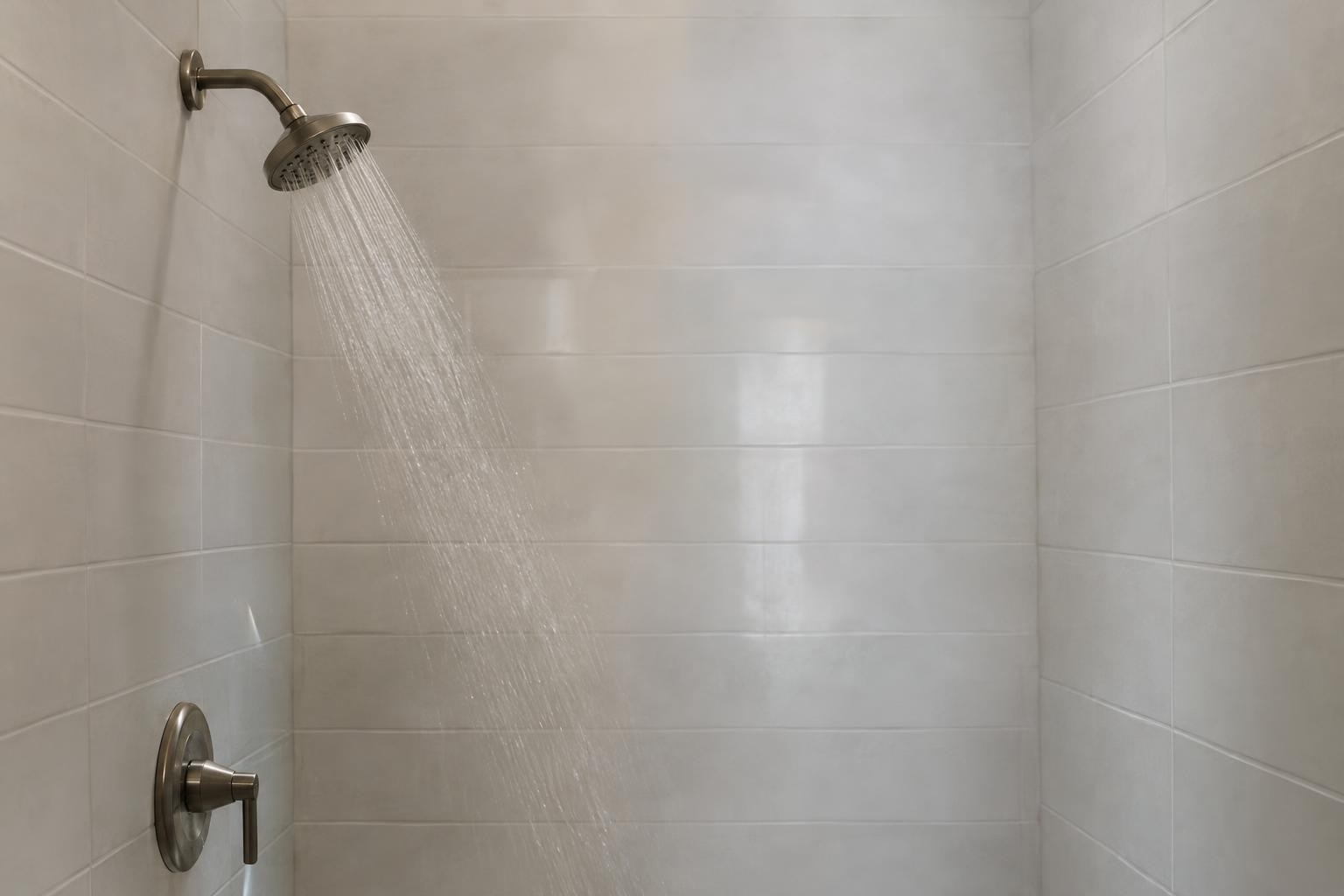
You step into the shower and the water runs hot. You turn it off to shampoo or step out for a moment, turn it back on, and get a blast of cold before the heat returns. That annoying pattern is known as the tankless water heater cold water sandwich, and it is one of the most common complaints we hear from homeowners with on-demand water heating in Brevard County.
The good news is that the behavior is well understood, usually not a sign that anything is broken, and often something a plumber can reduce. This guide explains what is happening inside the system and what choices are available if it bothers you.
What the Cold Water Sandwich Actually Is
Need help with plumbing?
Inlet Mechanical’s licensed techs serve Brevard & Indian River with fast, dependable service. Estimates on new system installs and replacements are free.
Picture a layered sandwich. The first layer is the hot water from your first run. The middle layer is a slug of cold water, and the final layer is hot water again once the heater catches up. You feel hot, then cold, then hot. The cold part is the filling.
A tank water heater stores a large volume of hot water, so when you turn on a tap, hot water is waiting. A tankless unit works differently. It heats water only while water is flowing, using a burner or electric elements that switch on when it senses flow. That design is efficient and takes up little space, but it means the heater is idle between uses, and that idle gap is where the sandwich begins.
Why the Cold Slug Forms Between Uses
When you shut off the shower, hot water remains sitting in the pipe between the heater and the shower valve. Pipes lose heat to the surrounding air, so that water cools while you are away. The heater has also stopped heating and begun its shutdown routine.
When you turn the water back on, the cooled water in the line comes out first, which is the cold layer. Meanwhile the heater has to detect flow, fire up, and bring water to temperature again. Once that happens, hot water finally reaches you. The longer the pause, the colder the slug in the line tends to be.
The Minimum Flow Problem
A second cause is often mistaken for the first. Every tankless unit needs a minimum amount of water moving through it before it will turn on. If the flow is too gentle, the heater may not fire at all, or it may switch on and off as the flow hovers near that threshold.
This shows up in a few ways. Opening a tap only slightly can produce lukewarm or cold water. Very low-flow fixtures may not move enough water to trigger the heater reliably. A partially clogged aerator or showerhead can also reduce flow enough to cause trouble. If you notice the water gets hotter when you open the valve further, that is a hint that flow is the issue rather than the pause between uses.
The exact minimum varies by model, so the owner’s manual or a plumber can tell you what yours requires. Do not try to adjust gas settings or internal controls yourself.
Why Pipe Length and Distance Make It Worse
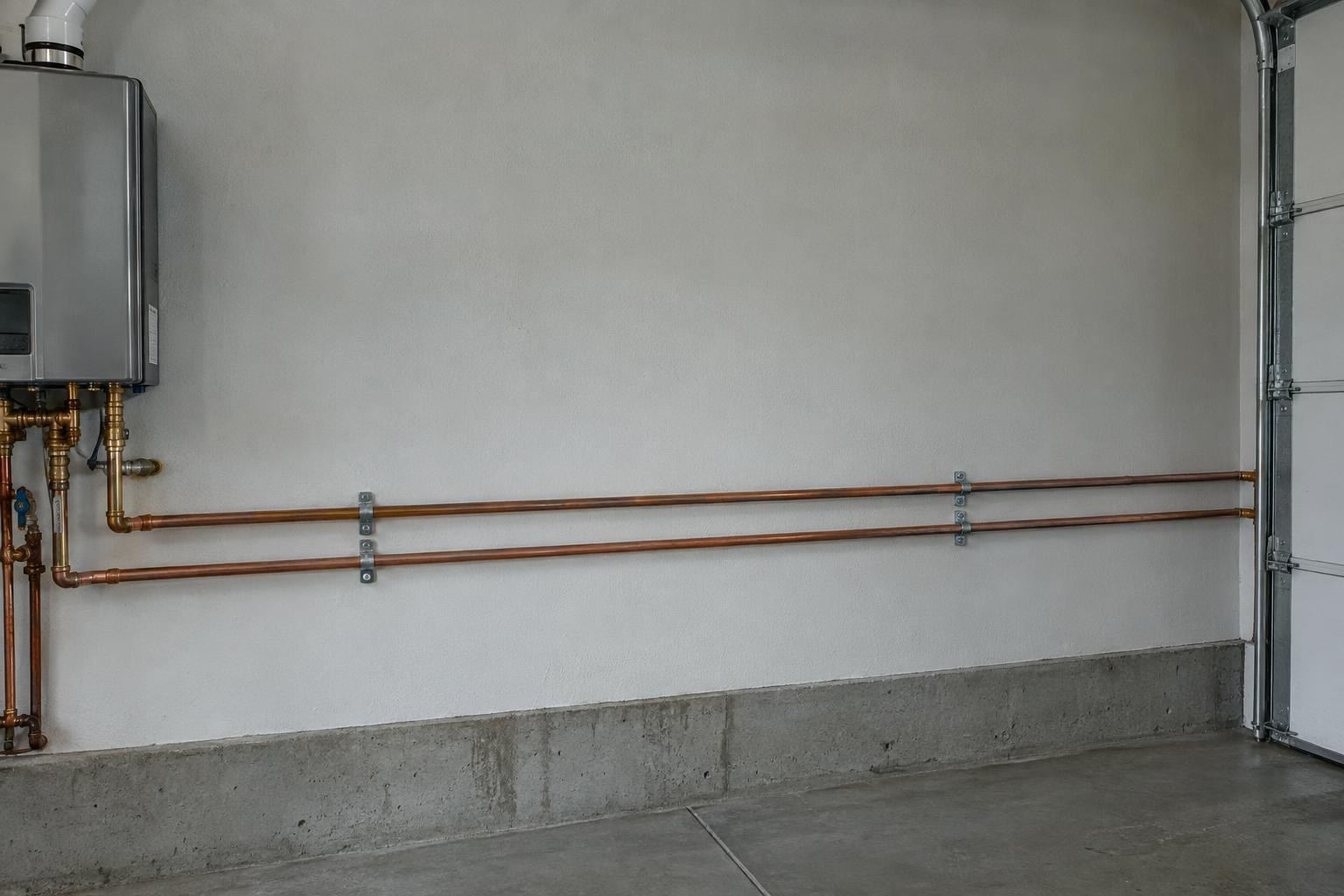
The farther a fixture sits from the heater, the more water has to travel through the pipe, and the more cooled water sits in the line between uses. A bathroom at the far end of the house will usually show a stronger sandwich than a sink next to the heater. In a single-story home with a garage-mounted unit, the run can be considerable, and the shower may be at the opposite end.
Pipe insulation can slow heat loss in the line, which helps a little, though it does not eliminate the effect. Long runs are a matter of layout and can only be changed with plumbing work, so it helps to know your home’s layout when deciding which fixes make sense.
Other Things That Can Make It Feel Worse
Mixing behavior at the shower valve plays a part. Many valves blend hot and cold to hold a steady temperature, and a small change in incoming temperature can feel larger at the shower. Fixtures that share the same supply can also change what you feel. If someone runs the dishwasher or a faucet elsewhere, the flow to your shower can drop and the heater may respond by changing its output.
Mineral buildup inside the heater can also reduce performance over time, so periodic flushing is worth asking about in areas with harder water. If the heater has gone from fine to noticeably worse, scale is a reasonable thing to ask a plumber to check.
Options a Plumber May Discuss
There is no single fix, because the right answer depends on your home and your habits. Here are the options we most often talk through with homeowners:
- A small buffer tank installed with the heater, which gives the system a short reserve of hot water to smooth the transition.
- A recirculation setup, which keeps warm water moving so there is less cold water waiting in the line.
- Fixture adjustments, such as choosing showerheads and aerators that keep flow above the heater’s minimum.
- Cleaning or replacing clogged aerators and showerheads that restrict flow.
- Reviewing heater settings and valve behavior to be sure the system is operating as designed.
- Simple habit changes, such as keeping showers continuous rather than shutting the water off mid-shower.
Each has trade-offs in space, complexity, and how well it suits the layout, so a conversation with a professional beats guessing. You can read more about our work on the tankless water heater services page and the broader water heater services page.
Safety: What to Leave to a Professional
Gas tankless units depend on correct gas supply, combustion air, and venting. Please leave any work on gas lines, burners, vent pipes, and exhaust connections to a trained professional. The same applies to electric models, where internal wiring and heating elements are not a homeowner repair. If you smell gas, leave the house and contact your gas utility. For general background on water heater types, the ENERGY STAR water heater information is a useful starting point.
Frequently Asked Questions
Is the cold water sandwich a sign my tankless heater is broken?
Usually not. It is a known behavior of on-demand heating and comes from cooled water in the pipe plus the time the heater needs to restart. If it suddenly worsens, have a plumber take a look.
Why does my tankless heater not turn on with a low flow?
Each unit needs a minimum flow before it fires. Very gentle flow, a partly open tap, or a clogged aerator can fall below that threshold.
Will a recirculation system remove the problem?
It can reduce it by keeping warm water closer to the fixture. Whether it is a good fit depends on your piping layout and how the home is used.
Can I fix this by turning up the temperature?
No, and raising the setting can create a scalding risk. The issue comes from the pause and the flow, not the target temperature, so talk to a plumber before changing anything.
If your shower keeps going hot, cold, hot, our team at Inlet Mechanical can help you find the cause and talk through the options. Visit our contact page to request a visit, or call us directly at (321) 723-0858.
Talk to a Licensed Inlet Mechanical Pro
Whether it’s a repair, an upgrade, or a question, our team is ready to help homeowners and businesses across Brevard & Indian River County.
Licensed FL Mechanical (CMC1250858) · 85+ years combined experience · Free install & replacement estimates
Written & Reviewed By
Inlet Mechanical Team
The Inlet Mechanical team brings over 85 years of combined experience in HVAC, plumbing, and mechanical construction across Florida. Our licensed professionals hold Florida Mechanical HVAC License (CMC1250858) and Florida Plumbing License (CFC1433105), along with EPA Section 608 certifications. Based in Brevard County, we serve residential, commercial, and industrial clients with expert knowledge of Florida building codes, climate-specific HVAC solutions, and local plumbing requirements. Every article is reviewed by our licensed technicians to ensure accuracy and practical value for Melbourne-area homeowners and businesses.
Last Updated: November 1, 2026