
Bigger Is Not Better: Why Size Matters for Comfort in Florida
Many homeowners assume that a larger air conditioner is a safer choice, since it will cool the house faster and never struggle on a hot afternoon. In our climate that thinking backfires, and an oversized AC unit humidity problem is one of the most common reasons a house feels cool but clammy. The temperature on the thermostat looks fine, yet the air feels sticky, towels never seem to dry, and the rooms carry a faint musty smell.
In Brevard County, where humid air is part of daily life for most of the year, an air conditioner has two jobs. It lowers the temperature, and it pulls moisture out of the air. A system that is too large for the house does the first job very well and the second job poorly. Understanding why helps you make a better decision the next time you replace equipment or when you suspect your current system is not matched to your home.
How an Air Conditioner Removes Moisture
Need help with AC & heating?
Inlet Mechanical’s licensed techs serve Brevard & Indian River with fast, dependable service. Estimates on new system installs and replacements are free.
The indoor coil inside your air handler stays cold while the system runs. Warm, humid air from your rooms passes over that coil, and moisture condenses on its surface much like dew on a chilled drink. The water drips into a pan and drains away through the condensate line. That is how a cooling system dries the air as a side effect of cooling it.
The important point is that moisture removal takes time. The coil has to get cold, stay cold, and have air move across it for a sustained stretch before it removes a meaningful amount of water. A system that runs in long, steady cycles dries the air much more effectively than one that turns on and off every few minutes.
What Oversizing Does to Run Times
An oversized system produces far more cooling than the house needs at a given moment. It drops the indoor temperature quickly, the thermostat is satisfied, and the system shuts off before the coil has had a chance to pull much moisture out of the air. A few minutes later the temperature creeps up, the system starts again, and the pattern repeats.
The result is short cycling, with the equipment starting and stopping often. A correctly sized system, by contrast, runs longer and steadier on a typical Florida day. Those longer cycles are not a sign of weakness. They are exactly what lets the coil do its drying work and keeps the temperature more even from room to room.
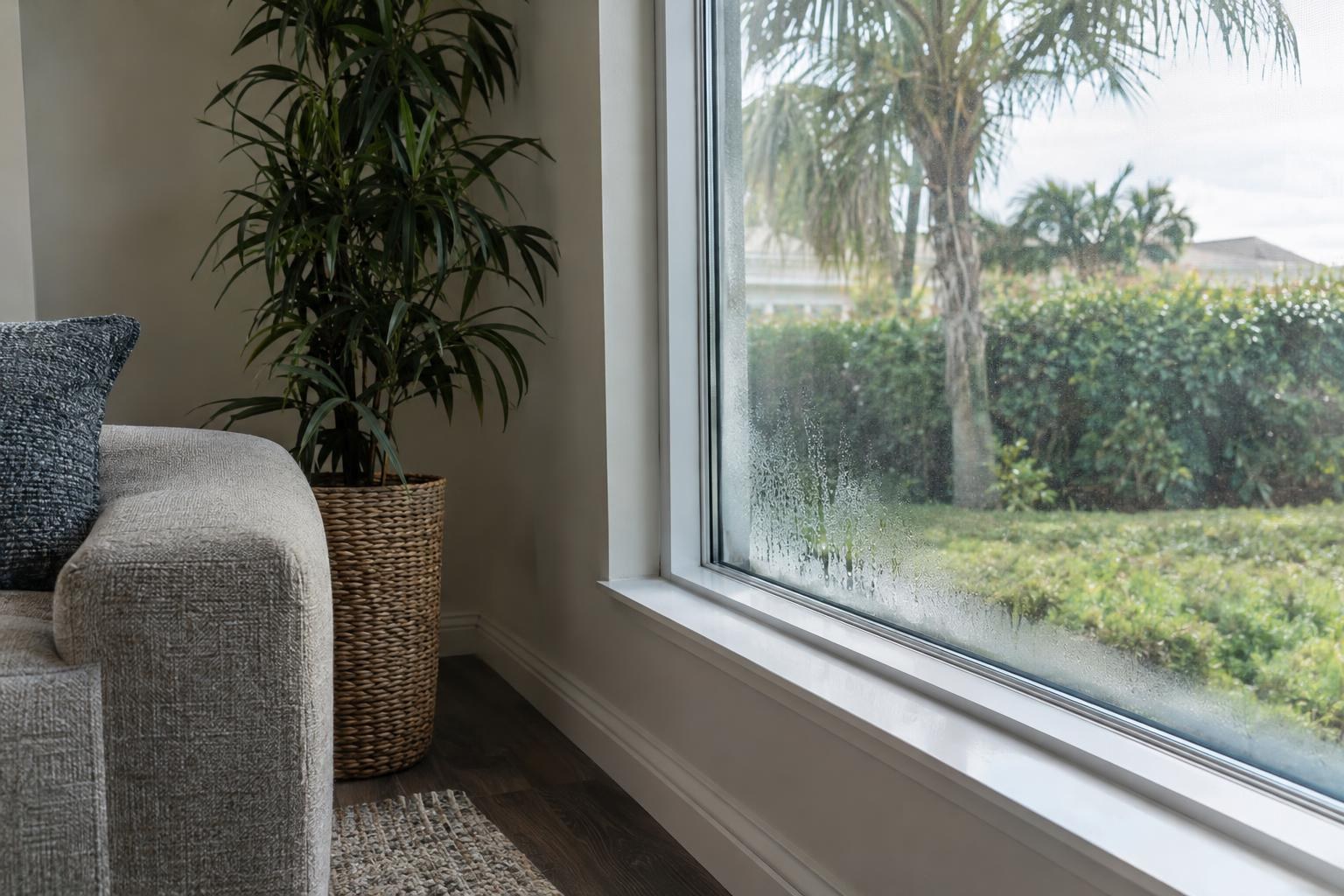
Signs of a Cool but Clammy House
Because the symptoms feel like a comfort problem, many people do not connect them to the size of the equipment. Here are the things we hear about most often from homeowners who suspect their system is too large:
- The air feels cool but sticky, even when the thermostat shows a comfortable temperature.
- The system turns on and off frequently instead of running for steady stretches.
- Some rooms feel colder than others, with noticeable swings during the day.
- A musty smell appears in closets, bathrooms, or along interior walls.
- Condensation shows up on windows, or you notice damp feeling surfaces.
- You see spots of mildew in corners or on bathroom ceilings.
Any one of these can have other causes, including duct leaks, a dirty coil, or a restricted drain, so a symptom alone does not prove the system is too big. Still, a combination of short run times and sticky air is a pattern worth having a professional evaluate.
The Hidden Costs of Short Cycles: Wear and Mold Risk
Starting a compressor and blower is the hardest moment of a cooling cycle. Equipment that starts and stops many times an hour goes through that stress far more often than equipment running in longer, calmer cycles. Over time that extra wear can shorten the life of components, and it often goes along with uneven comfort.
Humidity is the other concern. When indoor moisture stays elevated, surfaces such as walls, window frames, and the back of furniture can stay damp enough for mold and mildew to take hold. The EPA notes that keeping indoor humidity in a moderate range, commonly cited as between 30 and 50 percent, helps limit mold growth. You can read more in this EPA guide to mold, moisture, and your home. A simple indoor humidity meter from a hardware store will show you what your rooms are actually doing.
Sizing Is a Calculation, Not a Guess
Systems end up oversized for a few predictable reasons. The new unit is chosen to match the old one, even though the house has since gained new windows, more insulation, or sealed ducts. A rule of thumb based on square footage is used instead of a real evaluation. Or a contractor rounds up to be safe, because a callback for a system that struggles feels worse than one that is a little large.
The right approach is a load calculation, which looks at the specific house: its orientation, insulation, windows, ceiling height, air leakage, and the number of people who live there. This is the same idea behind the heat load calculation we have discussed before, applied here to the question of humidity. When you review cooling services options for a replacement, ask that the system be sized to the home as it is today, not to the equipment that happened to be there before.
Equipment Options That Handle Humidity Better
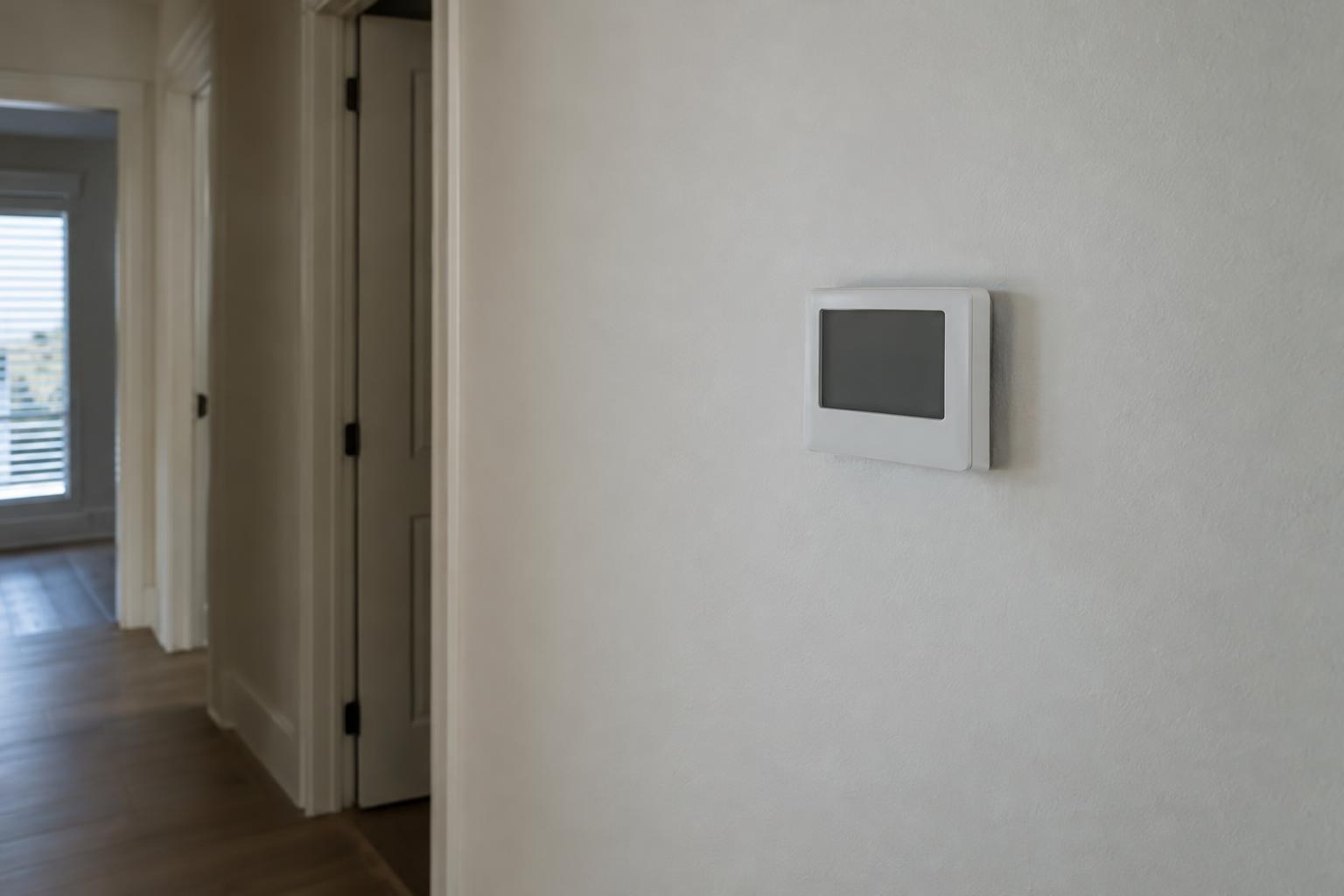
If you already own a system that runs short cycles, there are options to discuss with a professional. Two-stage and variable-speed equipment can run at lower output for much of the day, which means longer, gentler cycles and more time for moisture removal. That does not make them the right answer for every home, and we would not promise a particular result before looking at the house. A duct evaluation also matters, since leaky or poorly balanced ducts can create comfort problems that look like sizing problems.
Some homes benefit from a dedicated dehumidification approach alongside the cooling system. Whether that makes sense depends on how the house is built and how the family lives in it. You can find out more about how we think about system efficiency on our energy efficiency systems page.
What to Ask a Contractor Before You Replace Your AC
A good conversation at the start prevents years of discomfort. Consider asking these questions:
- Will you perform a load calculation for my home rather than matching the old unit?
- How did you account for my windows, insulation, and duct condition?
- How will the new system handle humidity during mild, humid weather and not only peak heat?
- Would a two-stage or variable-speed system be worth considering for this house?
- Should the ducts be inspected or sealed as part of the replacement?
Please leave all refrigerant, electrical, and equipment work to a trained professional. Refrigerant handling and high voltage wiring are not safe or legal territory for a homeowner, and an incorrect fix can make a humidity problem worse.
Frequently Asked Questions
Can an oversized AC cause mold in my house?
It can contribute. When a system cools the air quickly but shuts off before removing moisture, indoor humidity can stay high, and damp surfaces give mold a place to grow. Other moisture sources matter too, so a professional should look at the whole picture.
How can I tell if my system is oversized?
Look for short run times, frequent starts and stops, sticky air, and rooms that swing in temperature. These signs suggest a sizing or airflow issue, and a technician can confirm the cause with a proper evaluation.
Is a bigger air conditioner ever the right choice?
Only when the calculation says the home needs it. A larger system is appropriate if the house genuinely has a bigger load, but size should come from numbers about your home and not from a wish for extra capacity.
Will a variable-speed system fix humidity problems?
It can help, since it runs longer at lower output. It is one option among several, and the results depend on correct sizing, good ducts, and proper installation.
If your home feels cool but clammy, our team at Inlet Mechanical can help you work out whether sizing is the cause and what to do about it. Visit our contact page to request a visit, or call us directly at (321) 723-0858.
Talk to a Licensed Inlet Mechanical Pro
Whether it’s a repair, an upgrade, or a question, our team is ready to help homeowners and businesses across Brevard & Indian River County.
Licensed FL Mechanical (CMC1250858) · 85+ years combined experience · Free install & replacement estimates
Written & Reviewed By
Inlet Mechanical Team
The Inlet Mechanical team brings over 85 years of combined experience in HVAC, plumbing, and mechanical construction across Florida. Our licensed professionals hold Florida Mechanical HVAC License (CMC1250858) and Florida Plumbing License (CFC1433105), along with EPA Section 608 certifications. Based in Brevard County, we serve residential, commercial, and industrial clients with expert knowledge of Florida building codes, climate-specific HVAC solutions, and local plumbing requirements. Every article is reviewed by our licensed technicians to ensure accuracy and practical value for Melbourne-area homeowners and businesses.
Last Updated: November 23, 2026