
Why Your Hot Water Might Smell Like Rotten Eggs
Turning on the faucet and catching a sulfur odor is unpleasant, and it raises an immediate question. A water heater rotten egg smell is a common complaint in Brevard County homes, and in many cases the tank itself is involved. The good news is that a few simple observations can tell you a great deal about where the smell is coming from, and most of them require nothing more than a sink and your nose.
This post walks through how to sort out the likely causes, what is going on inside a tank when the smell appears, and when it is time to call a plumber. It starts with one important safety note, so please read the next section first.
Safety First: Smell in the Air Is a Different Problem
Need help with plumbing?
Inlet Mechanical’s licensed techs serve Brevard & Indian River with fast, dependable service. Estimates on new system installs and replacements are free.
There are two very different situations that can both be described as a rotten egg smell. One is a smell in the water that comes out of the tap. The other is a smell in the air near a gas water heater, furnace, or gas line. Natural gas has an odor added to it so that leaks can be noticed, and that odor is often compared to rotten eggs.
If you notice that smell in the air around a gas appliance, do not treat it as a water problem. Leave the home right away, avoid switching lights or appliances on or off, and call your gas utility from outside. Gas leaks are never a do-it-yourself matter. The rest of this article is about odor that appears in the water itself.
Step One: Is It Hot Water Only, or Hot and Cold?
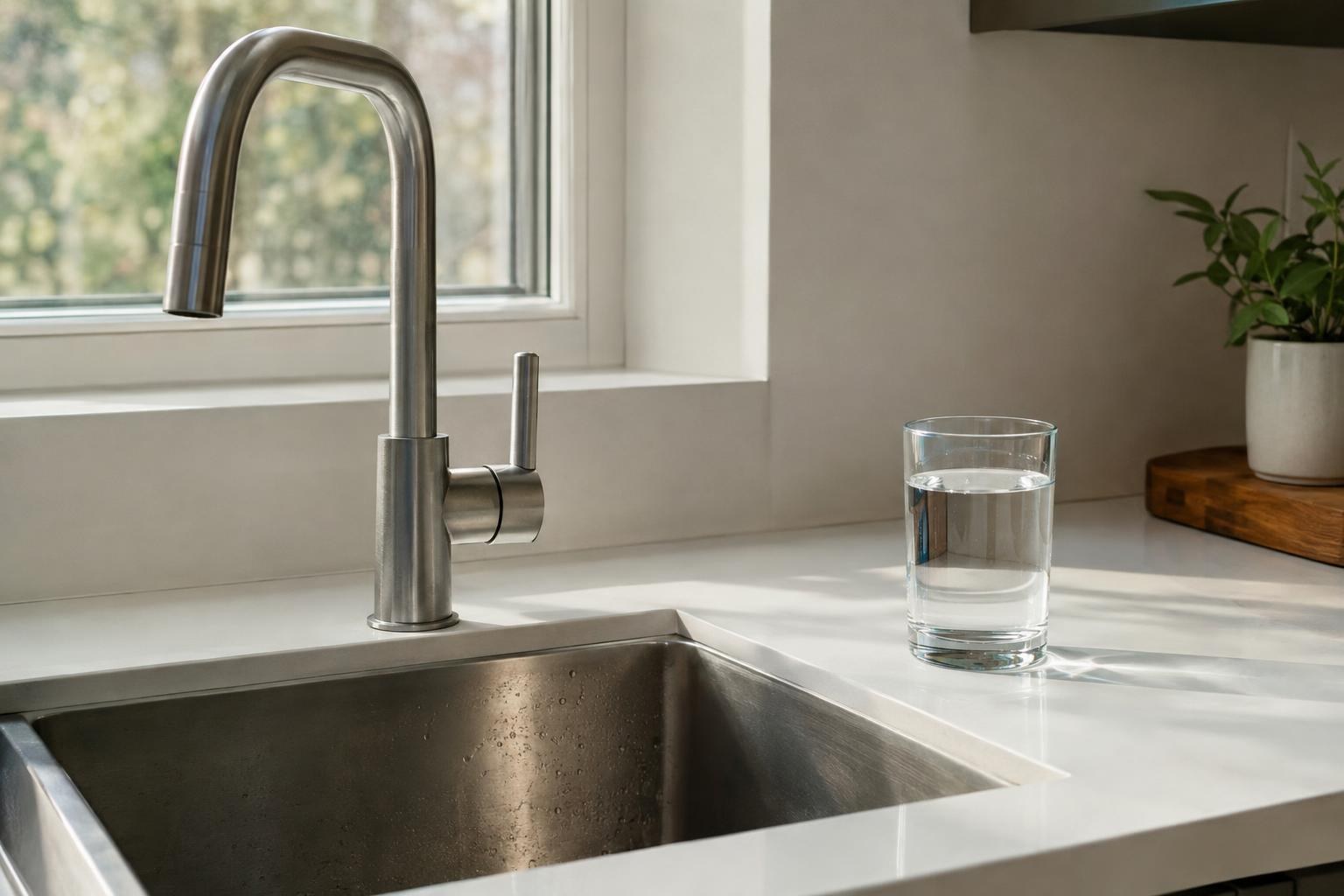
The most useful test is also the easiest. Fill a glass at the kitchen sink with cold water only, then fill another with hot, and smell both. Do this at a fixture that is not covered with soap or drain odors, and let the water run for a moment first.
If only the hot water smells, the water heater is the prime suspect. If both hot and cold smell, the source is more likely the incoming supply or something else in the plumbing, and the tank is probably not the cause. Well and other private water supplies are a different conversation, since their water can carry odors that municipal water does not, so a plumber should look at those separately.
Step Two: One Fixture or Every Fixture?
Next, check the smell at several places in the house, such as a bathroom sink, the shower, and the laundry sink. If every hot tap smells, the tank is again the likely source, because all of that water passes through it. If only one fixture smells, the issue may be local to that faucet, its aerator, a drain, or a stretch of pipe that rarely gets used.
A drain odor is easy to confuse with a water odor. Sniff the water in a glass, away from the sink bowl. If the glass smells fine but the sink area does not, you are probably dealing with a drain, and our team can help sort that out as well.
What Happens Inside the Tank
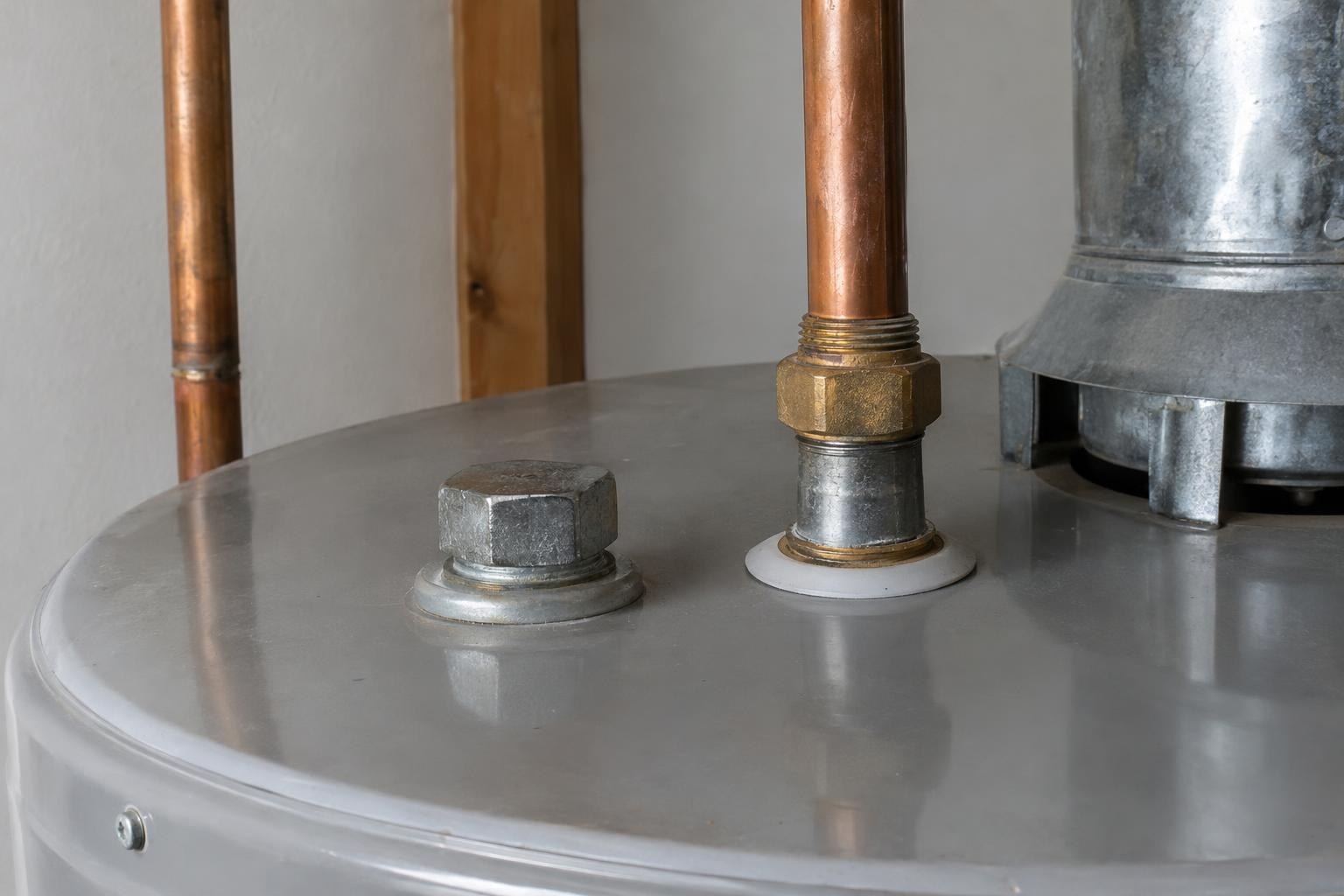
A tank water heater is a warm, enclosed vessel, and it contains a metal rod called an anode rod that is designed to corrode in place of the steel tank. In some tanks, naturally occurring bacteria that thrive without oxygen can react with the rod and with sulfur compounds in the water, producing hydrogen sulfide gas. That gas is what you smell, and it is the source of the rotten egg odor in hot water.
This is not a sign that the water is dangerous in the way a gas leak is, but it is a sign that conditions inside the tank are favorable to the bacteria. The warm temperatures of a typical tank and a long period without fresh water moving through are the usual contributing factors. We have a separate article on anode rod replacement for homeowners who want that detail, and here we are focused on diagnosis.
Common Triggers Homeowners Notice
A few situations come up again and again when we hear about this problem:
- The home sat empty. After a vacation or a seasonal stay, water that sat in the tank without being used can develop an odor.
- The temperature setting is low. Tanks held at very low settings give bacteria a friendlier environment. This does not mean you should turn the setting up to a scalding level, which is a safety risk, especially for children and older adults. A plumber can help you find a safe setting for your household.
- The heater is older. Tanks that have been in service a long time are more likely to have an anode rod that is heavily consumed and a buildup inside.
- A spare guest bathroom is rarely used, so the water in that line sits still.
Any of these can produce a smell that goes away on its own after the water moves through, or one that keeps coming back. If it returns after a flush or a vacation, the tank deserves a professional look.
What You Can Do Safely Right Now
Run the hot water at a few fixtures for several minutes if the home has been vacant, and see whether the smell fades as fresh water moves through. Pay attention to whether it comes back, and note which fixtures were affected. That information helps a plumber a great deal.
For information on how drinking water is regulated and what to ask about your own supply, the U.S. Environmental Protection Agency maintains a general overview on its drinking water information page.
Please do not open gas controls, remove burner covers, or work on wiring on an electric heater. Draining and flushing a tank, changing a rod, and adjusting controls all involve hot water, heavy equipment, and in some cases gas or electrical connections. Those jobs are best left to a professional.
When to Call a Plumber
Call a plumber if the smell is limited to hot water and does not clear after running it, if it returns repeatedly, or if you see other changes such as discolored water, rust-colored water, or leaks around the tank. A plumber can inspect the heater, check the rod, flush the tank, and talk through whether repair or replacement makes sense for your system. You can read about what we do on our water heater services page.
The goal is a clear answer, not a guess. When we visit, we look at the whole picture, including the heater’s age, how it is set up, and how your household uses hot water, and then explain the options in plain terms.
Frequently Asked Questions
Why does only my hot water smell like rotten eggs?
When the smell appears only on the hot side, the cause is usually inside the water heater tank, where bacteria can interact with the anode rod and sulfur in the water. If cold water smells too, the source is likely elsewhere.
Is rotten egg smell in hot water dangerous?
The odor in the water is typically a nuisance rather than an emergency, but it is still worth diagnosing. A rotten egg smell in the air near a gas appliance is different. In that case, leave the home and call your gas utility.
Should I turn up the water heater to kill the smell?
We do not recommend raising the setting to a scalding level, since that creates a burn risk. Ask a plumber to help you choose a safe setting and to evaluate the tank properly.
Can the smell come back after it goes away?
Yes. If conditions in the tank stay the same, such as long periods without use, the smell can return. A repeat odor is a good reason to have the heater inspected.
If your hot water has a sulfur smell and you would like a clear explanation, our team at Inlet Mechanical is glad to help you find the cause. You can learn more on our residential plumbing services page. Visit our contact page to reach us, or call us directly at (321) 723-0858.
Talk to a Licensed Inlet Mechanical Pro
Whether it’s a repair, an upgrade, or a question, our team is ready to help homeowners and businesses across Brevard & Indian River County.
Licensed FL Mechanical (CMC1250858) · 85+ years combined experience · Free install & replacement estimates
Written & Reviewed By
Inlet Mechanical Team
The Inlet Mechanical team brings over 85 years of combined experience in HVAC, plumbing, and mechanical construction across Florida. Our licensed professionals hold Florida Mechanical HVAC License (CMC1250858) and Florida Plumbing License (CFC1433105), along with EPA Section 608 certifications. Based in Brevard County, we serve residential, commercial, and industrial clients with expert knowledge of Florida building codes, climate-specific HVAC solutions, and local plumbing requirements. Every article is reviewed by our licensed technicians to ensure accuracy and practical value for Melbourne-area homeowners and businesses.
Last Updated: November 17, 2026