
How a Water Heater Tempering Valve Works in Your Home
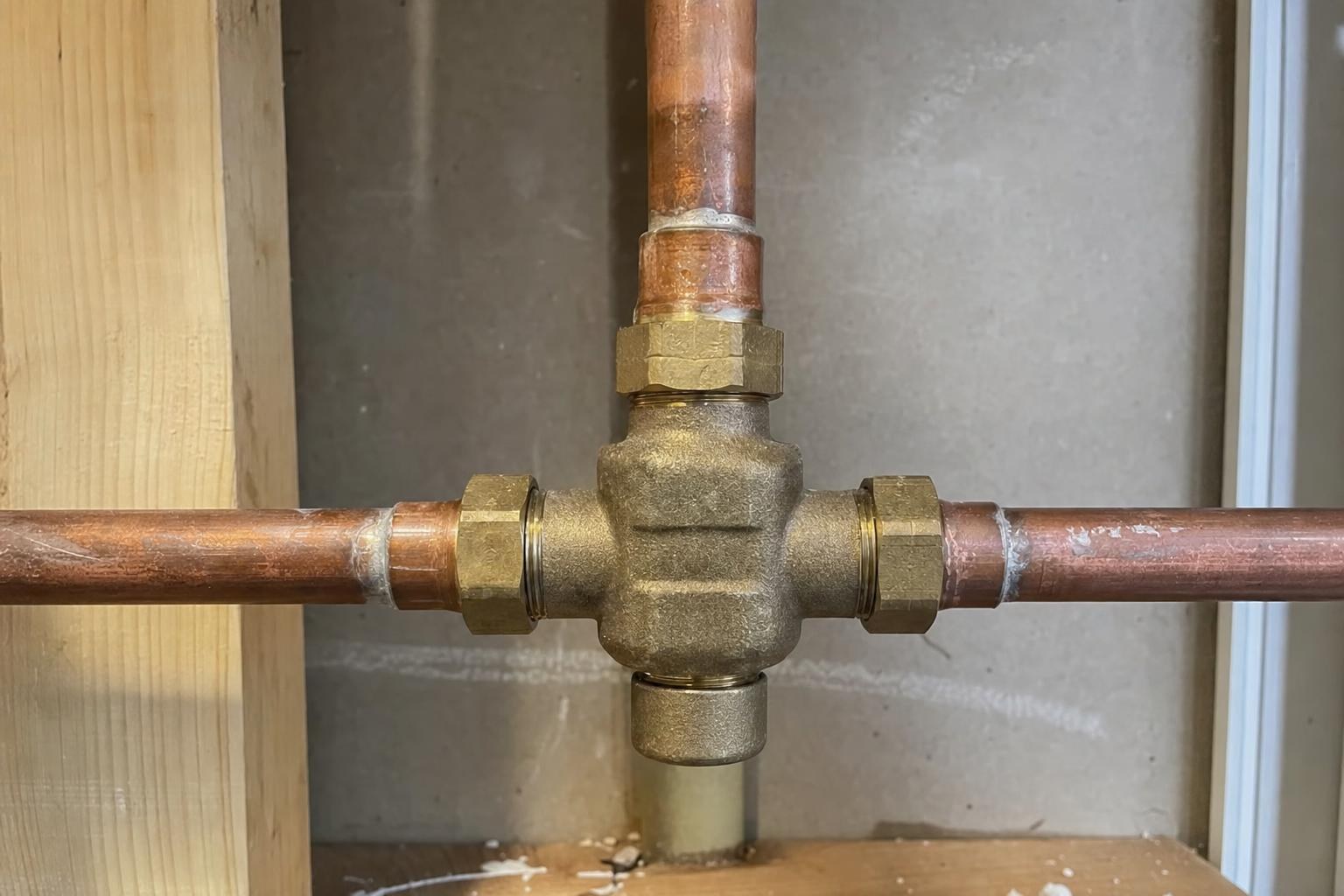
If your home has a whole-home water heater tempering valve, it may be one reason the water at a fixture is cooler than the water stored in the heater. This small but important device blends hot water from the heater with a measured amount of cold supply water before that mixed stream travels through the home’s distribution piping. Other factors, including heat loss through the piping and mixing at the fixture, can also affect the temperature you feel at the tap. The result is a delivered temperature that is safer for everyday use, especially in households with young children, older adults, or anyone with reduced sensitivity to heat. Understanding how this valve works, how to recognize when it is struggling, and when to call for service can help you protect your family and your plumbing system for years to come.
The Mechanics Behind Hot and Cold Water Blending
Need help with plumbing?
Inlet Mechanical’s licensed techs serve Brevard & Indian River with fast, dependable service and free estimates.
A tempering valve, sometimes called a thermostatic mixing valve or TMV, is a three-port device installed at or near the water heater. One port receives very hot water directly from the heater’s outlet. A second port receives cold water drawn from the same supply line that feeds the heater itself. Inside the valve body, a thermostatic element, typically a wax capsule or bimetallic spring, expands and contracts in response to temperature changes. This movement physically shifts an internal shuttle or disc to regulate how much cold water blends with the hot stream leaving through the third port, which is the outlet heading to your fixtures.
Because the thermostatic element reacts continuously to the temperature of the blended water, the valve self-corrects as conditions change. If someone flushes a toilet and momentarily draws cold water away from the valve’s cold inlet, the element senses the mixed outlet getting warmer and automatically restricts hot flow to compensate. This dynamic balancing is what distinguishes a tempering valve from a simple fixed-ratio mixing fitting.
Some water-heater systems are designed to store water hotter than the temperature intended at fixtures, but hotter tap water increases the risk of scald injuries. The U.S. Consumer Product Safety Commission guidance on tap-water scalds explains how quickly hot water can cause burns. In an appropriately designed system, a correctly set tempering valve can reduce the mixed-water temperature delivered to fixtures.
Signs That a Water Heater Tempering Valve May Need Attention
Tempering valves are durable, but they are not maintenance-free. Florida’s water quality varies across Brevard County, and mineral deposits from hard water, sediment carried in from older supply lines, and salt air corrosion on exterior components can all shorten a valve’s effective service life. Knowing what an aging or failing valve looks like in practice helps you decide when to schedule an inspection.
Delivered water that feels scalding at the tap. If faucet temperatures have crept noticeably hotter without any change to your heater’s thermostat, the cold-water port inside the valve may be partially blocked, or the thermostatic element may have lost its range of movement. Either condition allows more hot water through than intended.
Delivered water that never gets comfortably warm. A stuck or corroded element can hold the cold port open too wide, diluting the hot stream beyond the valve’s intended setpoint. This is often mistaken for a failing heating element or thermostat, so confirming the heater’s output temperature at the tank before troubleshooting further is a worthwhile step.
Visible mineral crust or corrosion on the valve body. Surface deposits sometimes indicate that scale has also formed internally, restricting flow or interfering with the moving parts. In coastal areas, salt air can accelerate external corrosion even on brass fittings, so a visual check during routine maintenance is sensible.
Fluctuating temperatures during a single shower. While pressure changes from simultaneous fixture use can cause momentary swings, a healthy tempering valve recovers quickly. Persistent, unexplained fluctuation may point to sluggish thermostatic response inside the valve.
If you notice any of these patterns, the water heater services team at Inlet Mechanical can assess whether the valve needs cleaning, recalibration, or replacement.
Maintenance Considerations for Florida’s Water and Climate
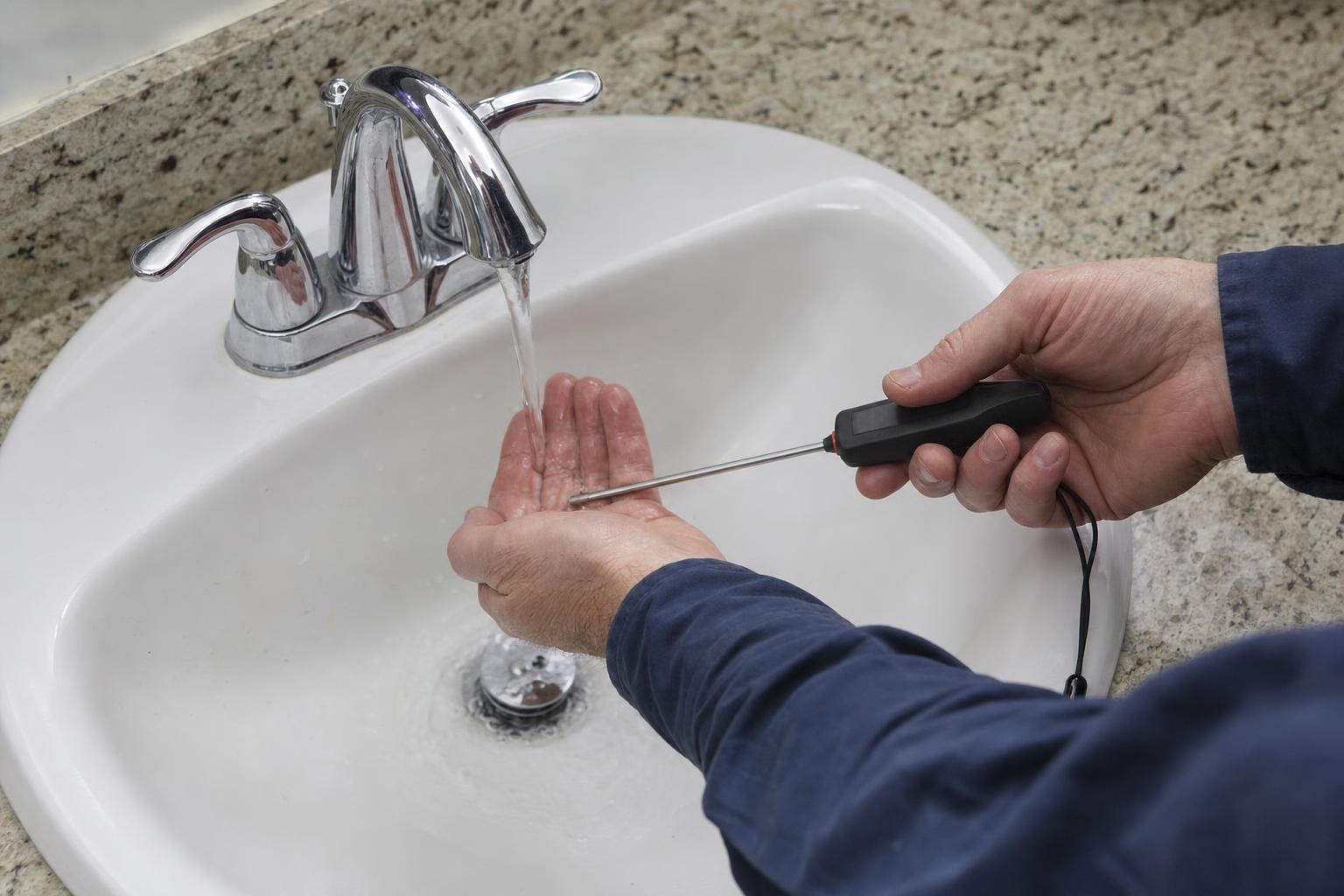
Brevard County’s long cooling seasons mean water heaters run nearly year-round without extended periods of low demand that might otherwise signal a problem through a change in utility bills. Incoming-water temperature is one of the conditions a properly selected thermostatic valve is designed to compensate for within its rated operating range. Commissioning should therefore rely on measured outlet temperature under representative flow, followed by adjustment according to the valve manufacturer’s instructions, rather than on climate assumptions alone. A plumber can also check whether the valve remains stable as inlet temperatures and household demand change.
Some tempering-valve models include serviceable inlet strainer screens at the hot and cold connections, while others use a different internal design. Where the manufacturer specifies strainers, a plumber can inspect or clean them during service because trapped sediment may affect flow balance and temperature control. The appropriate inspection interval depends on the exact valve instructions, measured water conditions, and the age of the surrounding piping.
When a tempering valve does reach the end of its useful life, replacement is typically straightforward if the surrounding piping is in sound condition. Your plumber can also verify that the replacement valve’s factory setpoint matches your household’s needs and that the device is compatible with your specific heater configuration, including tankless systems that produce a high-temperature output at varying flow rates.
Tempering Valves on Tankless and Storage Heaters: Key Differences
Tankless water heaters present a slightly different context for tempering valves than traditional storage tanks. Because a tankless unit heats water on demand rather than maintaining a stored volume, its output temperature can vary with incoming flow rate and inlet water temperature. A tempering valve installed downstream of a tankless heater must respond to these variations quickly. Some manufacturers integrate a mixing valve function into the unit itself, while others expect an external valve to handle temperature regulation. Reviewing your heater’s documentation or having a plumber inspect the installation clarifies which approach applies to your system.
When a storage-water-heater system uses a whole-home tempering valve, the valve is commonly installed externally near the hot outlet. The tank temperature remains relatively stable between draws, so the valve’s job is to trim a consistent high temperature down to a safe delivered temperature. This is a gentler duty cycle, and a well-maintained valve on a storage heater can serve reliably for many years. Our residential plumbing services team is familiar with both heater types and can advise on the right valve selection for your specific setup.
Frequently Asked Questions
Is a water heater tempering valve the same thing as a pressure-relief valve?
No, these are two entirely separate safety components with different functions. A pressure-relief valve, sometimes called a T&P valve, is designed to open and discharge water if tank pressure or temperature reaches a dangerously high level, protecting the tank from catastrophic failure. A tempering valve does not address pressure; it blends hot and cold water to moderate the temperature delivered to your fixtures during normal use. Both devices are important, but they address different risks. If you are unsure which valves are present on your water heater or whether they are functioning correctly, a plumbing inspection can answer both questions at once.
Can I adjust the temperature setpoint on my tempering valve myself?
Many tempering valves do have an adjustment mechanism, often a cap or tamper-resistant screw on the valve body, that allows the mixed outlet temperature to be raised or lowered within the valve’s designed range. However, making that adjustment without the right thermometer equipment or without understanding how your specific valve responds can produce inaccurate results. Setting the valve too high defeats its purpose; setting it too low may create conditions where water sits at a temperature that supports microbial growth in the piping. A plumber with a calibrated thermometer can verify actual outlet temperature and set the valve correctly, which is meaningfully different from rotating an adjustment cap and hoping for the best.
How do I know if my home even has a tempering valve installed?
The valve is typically located within a few feet of the water heater, connected to the hot outlet pipe and to a cold-water tee. It is usually a brass fitting with three connections and may have a label or adjustment cap visible on the top or side. If you are not certain whether one is present, a plumber can confirm during any water heater or plumbing inspection visit. Homes with newer water heaters installed under a permit process may be more likely to have one, but installation practices vary and the only reliable way to know is a visual inspection of the heater installation.
Will a tempering valve affect water pressure at my fixtures?
A properly sized and unobstructed tempering valve introduces a relatively small pressure drop, generally not noticeable during everyday use. However, a valve with clogged inlet screens or internal scale buildup can restrict flow meaningfully, leading to weak pressure at fixtures even when the home’s overall supply pressure is adequate. If you have noticed gradually declining hot-water pressure over months or years without an obvious cause, a clogged tempering valve is worth investigating as part of a broader water heater inspection.
Tempering valves are a quiet, largely invisible part of a well-functioning water heater system, and most homeowners never need to think about them until something changes at the tap. If your hot water temperature seems off, if flow has dropped unexpectedly, or if it has been several years since your water heater installation received a full inspection, getting a professional set of eyes on the complete system is a sensible step. You can learn more about what to expect from our team on the contact us page, or simply call Inlet Mechanical at (321) 723-0858 to talk through what you are experiencing and schedule a visit at a time that works for your household.
Talk to a Licensed Inlet Mechanical Pro
Whether it’s a repair, an upgrade, or a question, our team is ready to help homeowners and businesses across Brevard & Indian River County.
Licensed FL Mechanical (CMC1250858) · 85+ years combined experience · Free, no-obligation estimates
Written & Reviewed By
Inlet Mechanical Team
The Inlet Mechanical team brings over 85 years of combined experience in HVAC, plumbing, and mechanical construction across Florida. Our licensed professionals hold Florida Mechanical HVAC License (CMC1250858) and Florida Plumbing License (CFC1433105), along with EPA Section 608 certifications. Based in Brevard County, we serve residential, commercial, and industrial clients with expert knowledge of Florida building codes, climate-specific HVAC solutions, and local plumbing requirements. Every article is reviewed by our licensed technicians to ensure accuracy and practical value for Melbourne-area homeowners and businesses.
Last Updated: November 5, 2026