
How a Hot Water Recirculation Pump Changes Your Morning Routine
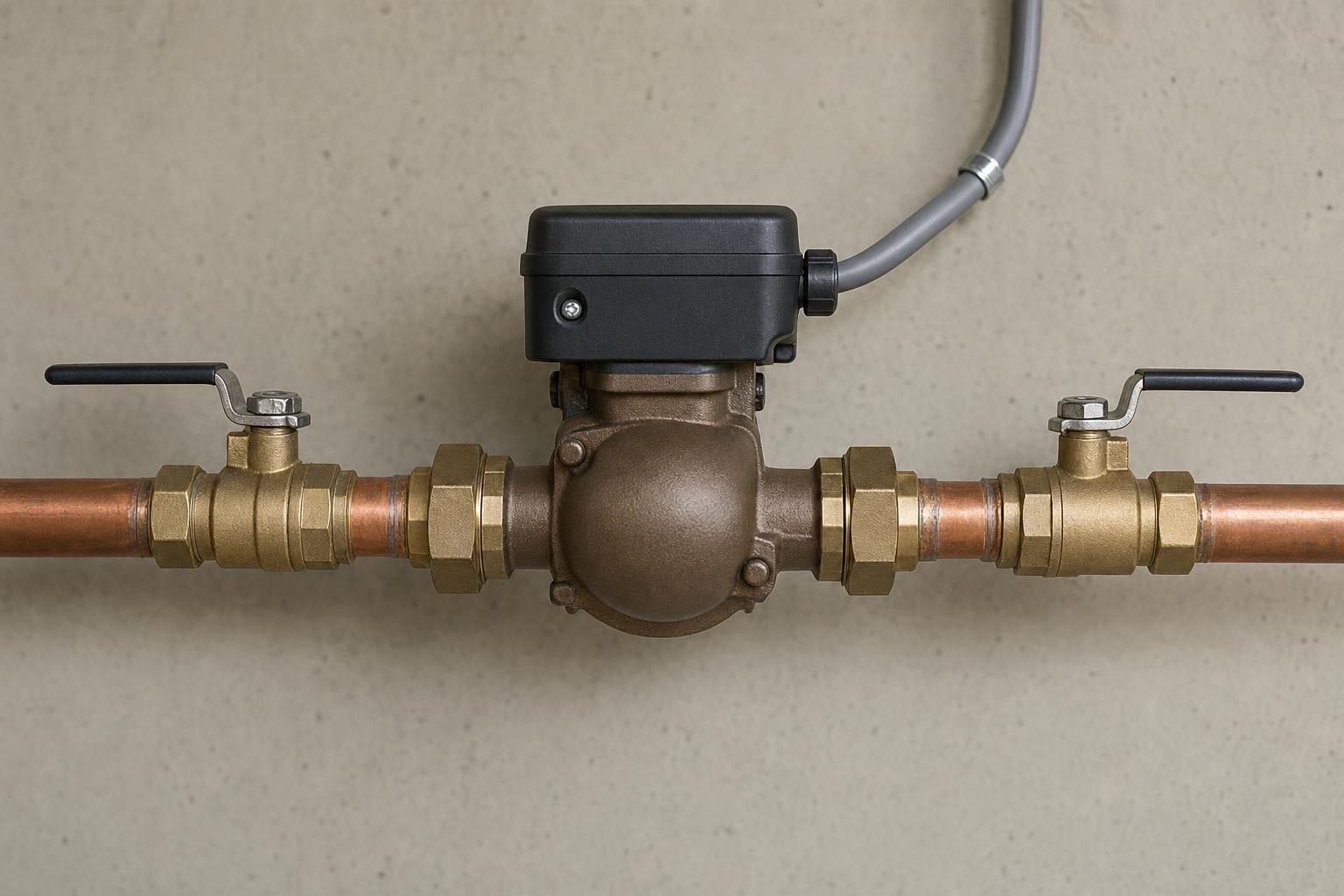
If you have ever stood at a bathroom sink or shower waiting thirty, forty, or even sixty seconds for hot water to arrive, you already understand the core problem a hot water recirculation pump is designed to solve. In many Florida homes, the water heater sits in a garage, utility closet, or far corner of the house, and the plumbing runs a long distance to reach bathrooms, kitchen islands, or laundry rooms. Every time someone opens a hot-water tap, that entire length of pipe must first flush out the cooled water sitting in it before warm water finally arrives. That cooled water typically goes straight down the drain, taking both time and money with it.
A recirculation system keeps hot water closer to your fixtures so the wait is dramatically shorter. Before you call to schedule an installation, though, it helps to understand exactly how these systems work, what your existing plumbing will need to support them, and a few considerations that are specific to Florida homes and the climate of Brevard County.
The Mechanics Behind a Hot Water Recirculation Pump
Need help with plumbing?
Inlet Mechanical’s licensed techs serve Brevard & Indian River with fast, dependable service and free estimates.
The basic concept is straightforward. A small pump, typically installed at or near the water heater, continuously or periodically moves water through the hot-water supply line and back to the heater so it can be reheated. Because hot water is always circulating nearby, it reaches your fixture within a few seconds of opening the tap rather than after a long wait.
There are two primary configurations homeowners encounter. The first is a dedicated return-line system. This design uses a separate pipe that runs from the farthest fixture back to the water heater, creating a closed loop. Water moves through the supply, travels the loop, and returns to be reheated whenever it cools below a set threshold. This configuration tends to work most efficiently and is often the cleanest solution for homes built or replumbed with recirculation in mind.
The second configuration is a comfort system, sometimes called a demand or crossover system. It uses a small pump installed under a sink at the most distant fixture and connects the hot and cold lines through a bypass valve. When activated by a timer, sensor, or push button, it pulls cooled water from the hot line back through the cold line toward the heater. No dedicated return pipe is required, which makes it attractive for retrofitting existing homes. The tradeoff is that the cold line near that fixture may briefly carry warm water until the loop settles.
Understanding which configuration suits your home depends on your existing pipe layout, the distance from your heater to your fixtures, and how the home was originally plumbed. That is a conversation best had with a plumber who can look at the specific system.
Pump Controls and Timer Settings That Actually Fit Your Schedule
One of the most practical decisions you will make about a recirculation system is how the pump is controlled. Running a pump continuously twenty-four hours a day keeps water hot at all times, but it also means the heater is working whenever someone might not even be home. For most households, that is not a sensible trade.
Timer-based controls allow you to set the pump to run during the hours your family actually uses hot water, such as early morning and evening. During the middle of the night or a vacation, the pump remains idle, and the heater is not cycling as frequently. Many modern units pair timer control with a thermostat sensor that only allows the pump to run when the water in the return line drops below a set temperature, which adds another layer of efficiency.
Demand-activated systems go further. A push button or motion sensor triggers the pump only when someone actually needs hot water. The pump runs briefly, hot water arrives quickly, and the pump shuts off again. For homes where hot-water use is spread out through the day rather than concentrated in a morning rush, demand activation can reduce the total run time of both the pump motor and the water heater.
In Florida, where homes run air conditioning for the better part of the year, there is an added nuance. The heat a recirculation system releases from warm pipes in unconditioned spaces, like a garage where the water heater is located, is generally not a concern. But pipes routed through conditioned living space do add a small, diffuse heat load to those areas. It is a minor factor in most homes but worth noting if your plumbing runs through insulated interior walls or ceilings.
The U.S. Department of Energy discusses how recirculation system controls, including timers and demand sensors, can help manage the energy use of these systems. You can read that guidance at ENERGY STAR water heater guidance.
What Florida Homeowners Should Evaluate Before Installation
Installing a recirculation pump into an existing Brevard County home involves a few practical assessments that a plumber will typically work through with you.
Pipe material and condition. Homes across Palm Bay and the surrounding area include a mix of copper, CPVC, and PEX plumbing depending on when they were built. Most recirculation pumps are compatible with standard residential pipe materials, but if the existing plumbing is aging or showing signs of corrosion, that may factor into the project scope. Salt air in coastal areas of Brevard County can accelerate corrosion on copper fittings exposed to the elements, and a plumber assessing the job will look at those connections.
Water heater compatibility. Most standard tank water heaters accept a return-line connection at a dedicated port. Tankless water heaters require more careful evaluation. Some tankless units have built-in recirculation ports and dedicated settings; others require external bypass valve kits or may not be well-suited for continuous recirculation depending on their minimum flow requirements. If you have a tankless unit or are considering pairing one with recirculation, bring that up specifically when you discuss the project with a plumber.
Electrical access. The pump motor requires a power source. In most garage installations, an existing outlet is nearby. In other locations, a dedicated outlet may need to be added, which may involve a licensed electrician depending on the scope.
Pipe routing for a dedicated return line. If your home does not have a return line and you want the more complete dedicated-loop system, a plumber will need to evaluate how feasible it is to route that return pipe given your home’s construction. Slab-on-grade construction, which is common throughout Brevard County, means pipes are often run in the attic rather than beneath the floor, and that routing affects both the cost and complexity of adding a return line.
Maintenance and Longevity of the System Over Time
Recirculation pump motors are generally simple and long-lived, but they do require periodic attention like any mechanical component in a home.
Pump impellers and seals can wear over time, and hard water with higher mineral content can accelerate scale buildup inside the pump and connecting valves. Brevard County’s water varies by area and source, and homes drawing from municipal supply may have different mineral profiles than those on well water. If your household has noticed mineral deposits on fixtures or uses a water softener, mention that when discussing the pump installation, since scale management may affect how the system performs over the years.
Bypass valves on comfort systems include a check valve with a temperature-sensitive spring. That spring allows cool water to pass back toward the heater and closes once water reaches the target temperature. Over time those springs and seals can degrade and may need replacement to keep the system functioning as intended. It is a relatively minor service item but one worth knowing about so it does not catch you off guard.
Routine flushing of the water heater tank itself remains important when a recirculation system is in use. Because the heater is cycling more frequently to maintain temperature in the loop, keeping sediment from accumulating at the bottom of the tank becomes even more worthwhile. Your plumber can discuss a maintenance schedule that makes sense for your specific equipment. You can also find general water heater service information on our water heater services page.
Frequently Asked Questions
Will a recirculation pump work with my existing tankless water heater?
It depends on the specific tankless model. Some tankless units are designed with built-in recirculation support, including an internal pump and dedicated return port. Others require an external crossover valve kit placed at the farthest fixture instead of a full return line. A few older or budget-tier tankless units have minimum flow-rate requirements that may conflict with how recirculation systems operate. Before purchasing a pump or scheduling installation, have a plumber review the documentation for your specific water heater model so the two systems are confirmed to be compatible.
How much water actually goes down the drain while waiting for hot water?
The volume depends on how far your fixtures are from the water heater and the diameter of your supply pipes. The exact volume depends on the pipe material and its actual inside diameter. As a rough example, many nominal half-inch residential lines hold about 0.09 to 0.12 gallon per ten feet, so a sixty-foot run may contain roughly 0.55 to 0.73 gallon before allowing for branches and fixture piping. Multiplied across multiple fixtures and multiple uses each day, that adds up over a month. A recirculation system eliminates most of that wasted run-off, though the exact amount varies by household.
Can I install the pump myself, or does this need a licensed plumber?
Some homeowners with solid DIY experience do attempt to install under-sink demand pumps, particularly comfort-system kits that do not require cutting into supply lines or adding a return pipe. However, connections at the water heater itself, any new electrical work, and certainly any dedicated return-line installation involve tasks that typically require a licensed plumber and, for electrical work, a licensed electrician. In Florida, plumbing work on water supply systems generally falls under licensing requirements that exist to protect both the homeowner and the integrity of the water system. Working with a licensed contractor also creates a documented record if questions arise during a home sale or insurance claim.
Will the circulating pump increase my electric bill noticeably?
The pump motor itself is small, often in the range of fifteen to fifty watts depending on the model, which is less than a standard incandescent light bulb. The more meaningful energy consideration is the water heater itself, which must work more often to maintain temperature in the circulating loop. Timer controls and demand activation reduce that heater cycling by limiting recirculation to the hours or moments you actually need it. For most households, combining a demand or timer-controlled pump with proper insulation on exposed hot-water pipes helps keep the overall impact manageable, though individual results vary based on home layout, pipe insulation, and local water rates.
If faster hot water and less time spent waiting at the tap sounds like a sensible upgrade for your home, the team at Inlet Mechanical is glad to talk through what a recirculation system would involve for your specific plumbing layout. You can explore our full range of plumbing services on our residential plumbing services page, or reach out directly through our contact page to schedule a visit. You are also welcome to call us at (321) 723-0858 to speak with someone who can answer your questions and help you figure out what makes the most sense for your home.
Talk to a Licensed Inlet Mechanical Pro
Whether it’s a repair, an upgrade, or a question, our team is ready to help homeowners and businesses across Brevard & Indian River County.
Licensed FL Mechanical (CMC1250858) · 85+ years combined experience · Free, no-obligation estimates
Written & Reviewed By
Inlet Mechanical Team
The Inlet Mechanical team brings over 85 years of combined experience in HVAC, plumbing, and mechanical construction across Florida. Our licensed professionals hold Florida Mechanical HVAC License (CMC1250858) and Florida Plumbing License (CFC1433105), along with EPA Section 608 certifications. Based in Brevard County, we serve residential, commercial, and industrial clients with expert knowledge of Florida building codes, climate-specific HVAC solutions, and local plumbing requirements. Every article is reviewed by our licensed technicians to ensure accuracy and practical value for Melbourne-area homeowners and businesses.
Last Updated: November 4, 2026