
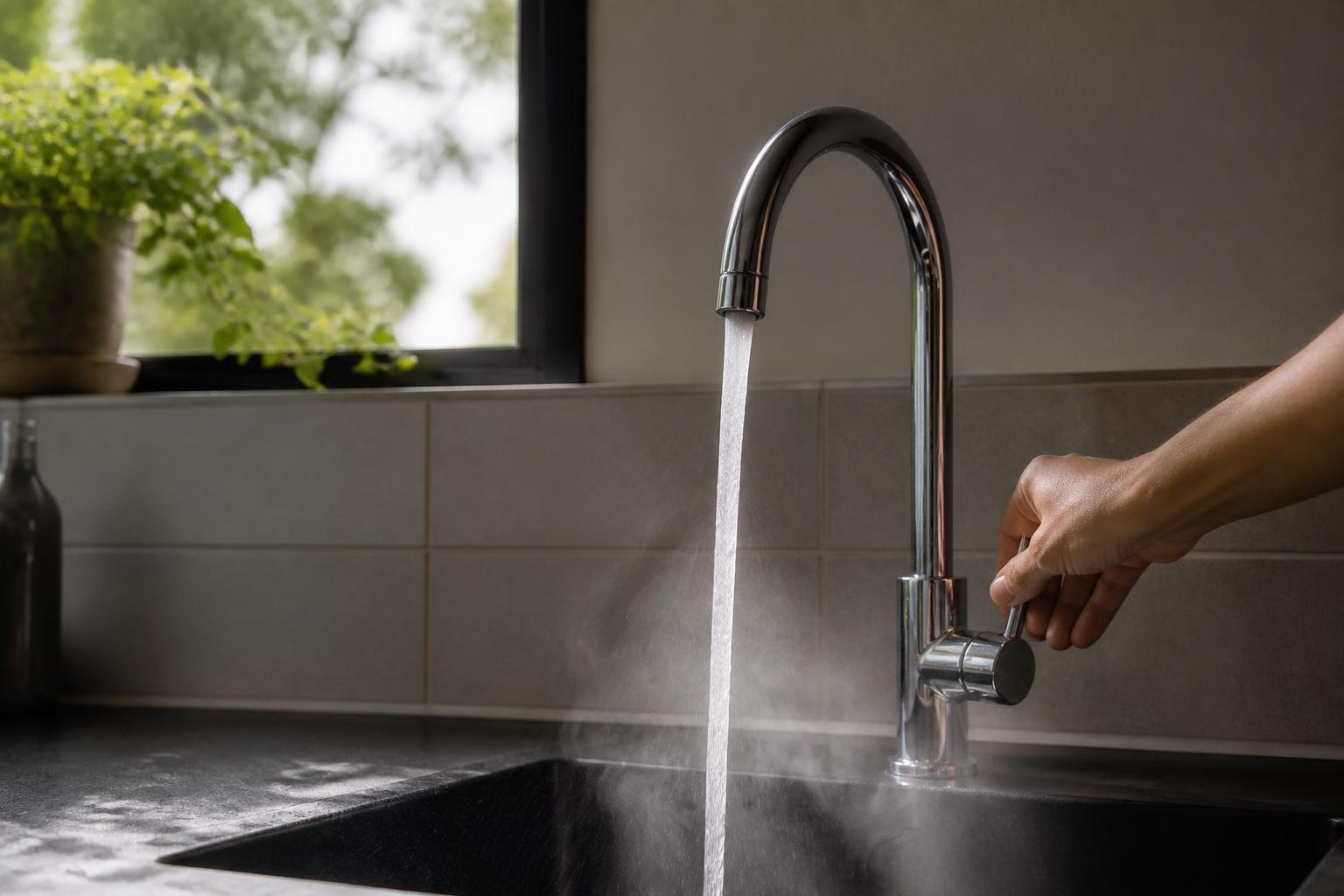
When an electric water heater starts producing lukewarm water instead of no hot water at all, the cause is often narrower than people expect. A full failure usually points to something like a tripped breaker or a bad thermostat, but water that’s warm rather than hot, especially if it used to be reliably hot, often comes down to one heating element that’s failed while the other is still working. Most residential electric tank water heaters have two elements, and understanding how they work together helps explain why the symptoms show up the way they do.
How Two Elements Work Together in a Tank Water Heater
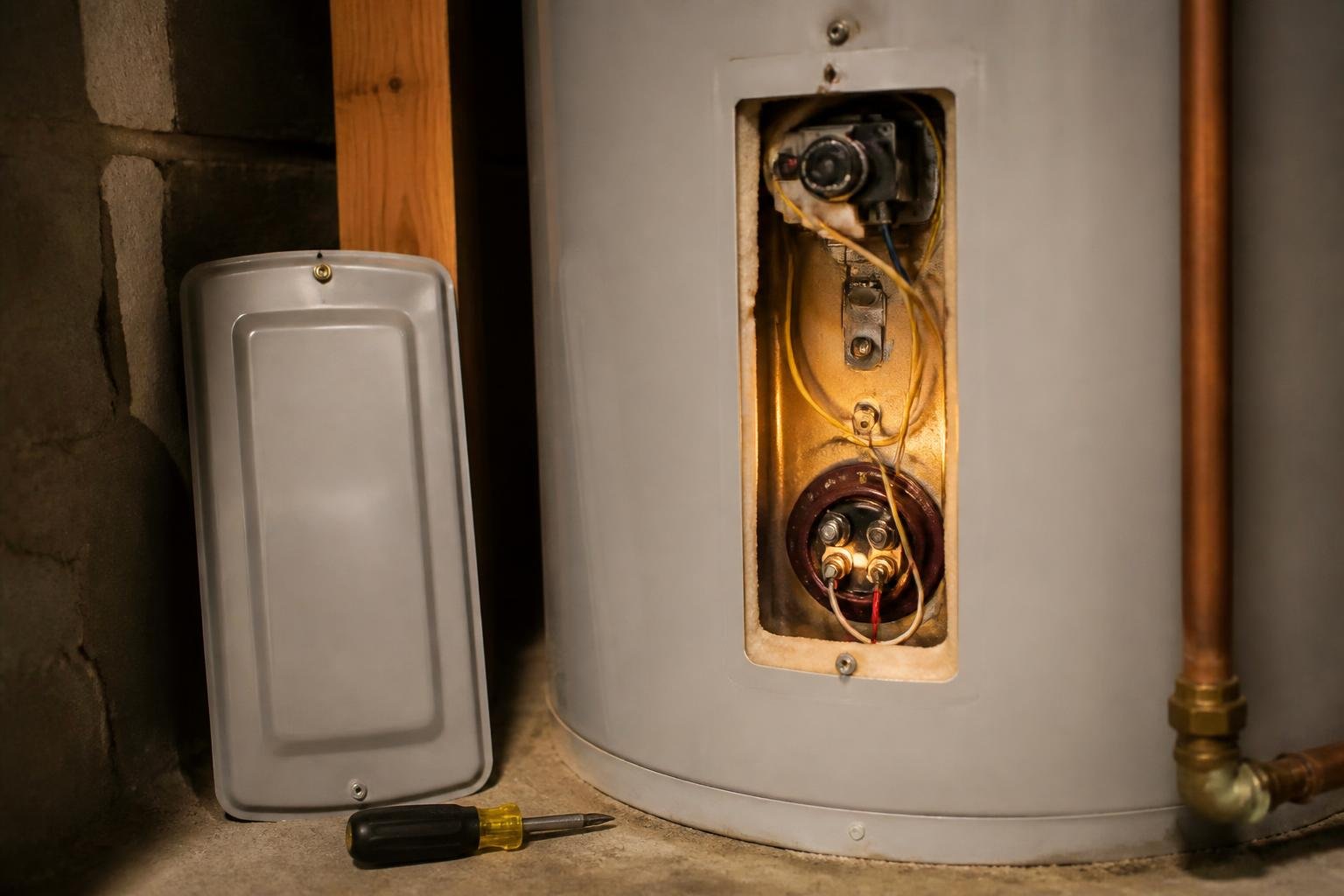
A standard electric tank water heater has an upper and a lower heating element, and they don’t both run constantly. The upper element typically heats the water at the top of the tank first, and once that’s satisfied, the lower element takes over to heat the rest of the tank. This staged approach is more efficient than running both elements simultaneously. It also means that if the lower element fails, you might still get a burst of hot water at first, since the upper portion of the tank heated normally, before it runs out and the water turns lukewarm because the lower element never finished the job.
Signs Pointing to a Failed Element
Need help with plumbing?
Inlet Mechanical’s licensed techs serve Brevard & Indian River with fast, dependable service and free estimates.
A few patterns tend to show up when an element has gone bad rather than something else being the culprit:
- Lukewarm water that used to be hot. This is the classic sign of a single failed element rather than total electrical failure, since the working element is still contributing some heat.
- Hot water runs out faster than it used to. If the tank’s effective heating capacity has dropped, one element doing the work of two is a common explanation.
- Water heats slowly after being used up. Recovery time between uses stretching out longer than normal points to reduced heating capacity.
- No hot water at all, paired with a reset breaker. This suggests something more electrical in nature, possibly both elements or a thermostat, and is worth having diagnosed rather than assumed.
Element Failure vs. Other Common Water Heater Issues
It’s easy to assume any water heater problem means the whole unit needs replacing, but it depends on what’s actually failed. A bad thermostat can mimic some of the same symptoms as a bad element, and sediment buildup at the bottom of the tank can also reduce how efficiently the lower element heats the water around it, even if the element itself is still functional. That’s one reason diagnosing the actual cause matters before assuming a full replacement is necessary. Elements are a relatively contained repair on a tank water heater that’s otherwise in reasonable condition, distinct from issues like a leaking tank, which point toward replacement instead.
What Replacement Involves
Replacing a heating element requires draining or partially draining the tank, shutting off power at the breaker, and accessing the element through an access panel on the side of the tank. Because the water heater’s electrical supply has to be de-energized and the tank depressurized before the panel comes off, this isn’t a project to approach without being confident in both the electrical and plumbing sides of the job. It’s also a reasonable moment to check the condition of the anode rod and look for sediment buildup, since both affect how well the new element will perform and how long the tank lasts overall.
How This Fits Into Overall Tank Lifespan
A tank water heater’s realistic lifespan depends on more than any single component, but element replacement is one of the more common repairs that extends a unit’s useful life without requiring full replacement. If the tank itself shows no signs of corrosion, leaking, or rust at the seams, and the issue really is isolated to an element or thermostat, repair is usually the more sensible path. That calculation changes once the tank is showing its own age-related issues independent of the electrical components, since no amount of element replacement addresses a tank that’s beginning to fail structurally. Knowing the difference between an electrical-side repair and a tank-side problem is really the core of deciding whether to repair or plan for replacement, and it’s worth having someone look at the whole picture rather than just swapping the element and hoping.
Flushing sediment periodically and keeping an eye on the anode rod’s condition both help extend how long the tank itself lasts, which in turn means more of its component repairs, like element replacement, make sense as targeted fixes rather than stopgaps before a larger issue.
Gas Water Heaters Work Differently
It’s worth noting that everything above applies specifically to electric tank water heaters, since gas water heaters use a burner assembly rather than electric heating elements to warm the tank. If your home has a gas water heater and you’re seeing similar symptoms, lukewarm water or slow recovery, the underlying cause is more likely related to the thermocouple, burner, or gas valve than an electric element, since those systems don’t have elements to fail in the first place. Knowing which type of water heater you have is the first step in diagnosing the right issue, since the symptoms can look similar even though the components and fixes are completely different between the two.
While the Panel’s Open: A Safe Moment to Check the Thermostat Setting
Replacing a heating element means the power is already off and the access panel is already removed, which makes it a convenient time to confirm the thermostat is set to a safe temperature rather than treating that as a separate check. The U.S. Consumer Product Safety Commission recommends setting water heaters to 120 degrees Fahrenheit, noting that even a few minutes of exposure to water hotter than that can cause a serious burn, particularly for young children and older adults.
A thermostat set higher than necessary doesn’t just raise scald risk, it also means the tank works harder and loses more standby heat than it needs to just to maintain that temperature. If you’re already replacing an element because of inconsistent hot water, confirming both thermostats are reading and set correctly is worth the extra couple of minutes, since a miscalibrated thermostat can sometimes mimic the same lukewarm-water symptoms as a genuinely failed element.
Frequently Asked Questions
Can I replace just one heating element instead of both?
Yes, if only one element has failed, replacing that one is usually sufficient. Some homeowners choose to replace both at the same time if the tank is older, simply to avoid a second repair visit down the road, but it’s not required in most cases.
How do I know if it’s the element or the thermostat that’s bad?
Both can produce similar symptoms, like inconsistent hot water, which is why a diagnostic check is worth doing rather than guessing. Testing the element’s continuity and checking the thermostat’s function are both quick steps in an actual inspection of the unit.
Does sediment buildup cause elements to fail faster?
It can. Sediment sitting on top of the lower element insulates it from the water it’s supposed to be heating, which makes it work harder and can shorten its lifespan over time compared to a tank that’s flushed regularly.
If your water heater is running lukewarm or taking longer to recover between uses, our water heater team can diagnose the cause, including our thermostat and element replacement service. Contact Inlet Mechanical to get consistent hot water back.
Talk to a Licensed Inlet Mechanical Pro
Whether it’s a repair, an upgrade, or a question, our team is ready to help homeowners and businesses across Brevard & Indian River County.
Licensed FL Mechanical (CMC1250858) · 85+ years combined experience · Free, no-obligation estimates
Written & Reviewed By
Inlet Mechanical Team
The Inlet Mechanical team brings over 85 years of combined experience in HVAC, plumbing, and mechanical construction across Florida. Our licensed professionals hold Florida Mechanical HVAC License (CMC1250858) and Florida Plumbing License (CFC1433105), along with EPA Section 608 certifications. Based in Brevard County, we serve residential, commercial, and industrial clients with expert knowledge of Florida building codes, climate-specific HVAC solutions, and local plumbing requirements. Every article is reviewed by our licensed technicians to ensure accuracy and practical value for Melbourne-area homeowners and businesses.
Last Updated: September 24, 2026