
A routine tune-up and a safety inspection aren’t quite the same thing, even though they sometimes happen during the same visit. A tune-up focuses on performance, things like refrigerant charge and airflow. A safety inspection focuses specifically on the items that could become a hazard if left unchecked, from electrical connections to condensate drainage that’s supposed to keep water away from places it shouldn’t be. Here’s what actually gets checked and why it’s worth treating as its own item rather than assuming it’s automatically covered.
Electrical Components: Where Most Safety Issues Start
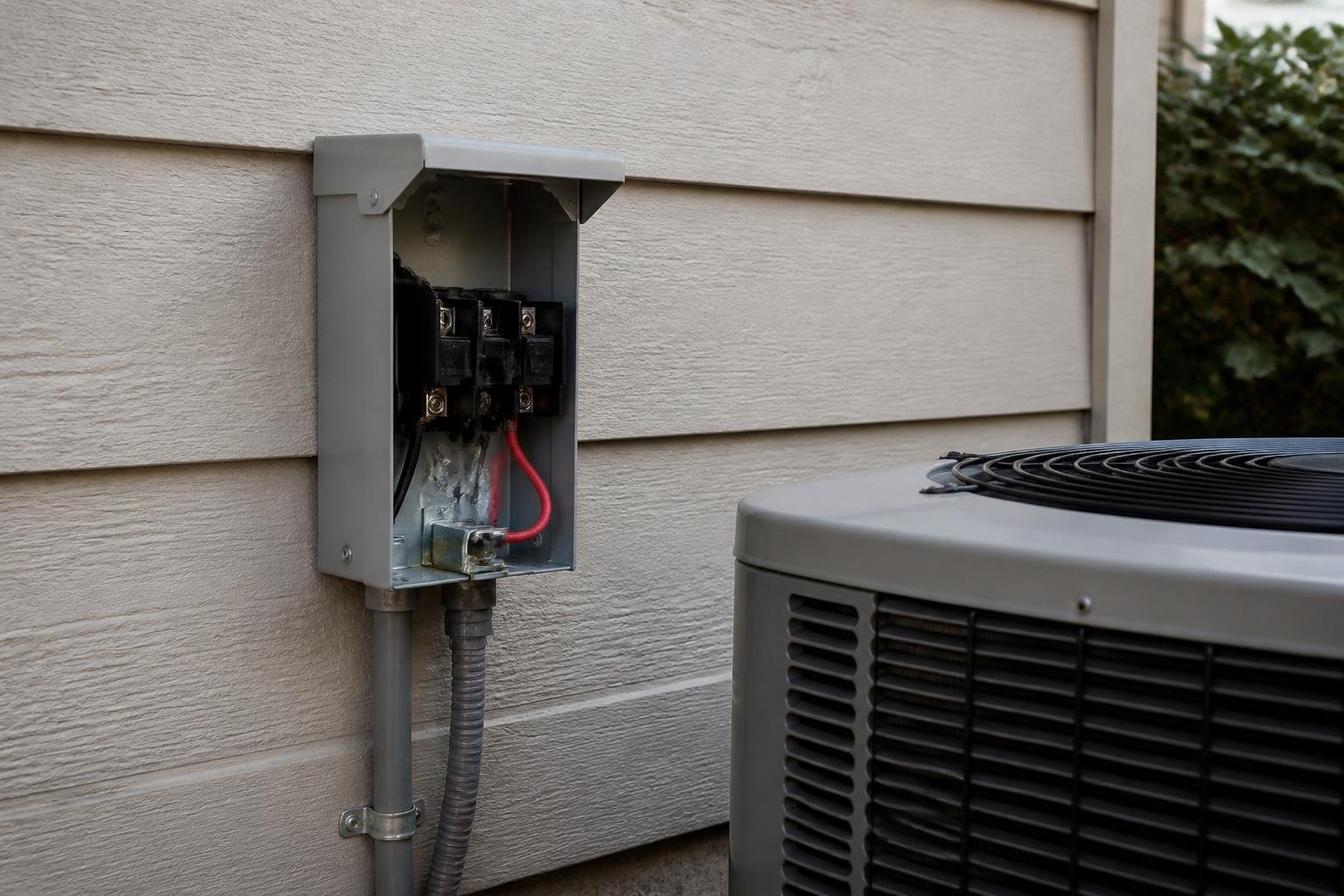
HVAC systems carry a fair amount of electrical load, and connections that loosen over time from vibration or heat cycling are one of the more common sources of real hazards. A safety inspection typically checks the condition of wiring at the disconnect box, the tightness of electrical connections at the contactor and capacitor, and whether the system’s breaker is sized appropriately for the equipment. In Florida’s humidity, corrosion at electrical connections shows up faster than it might in a drier climate, which is part of why this check matters more here than it might elsewhere.
Condensate Drainage and Water Damage Prevention
Need help with AC & heating?
Inlet Mechanical’s licensed techs serve Brevard & Indian River with fast, dependable service and free estimates.
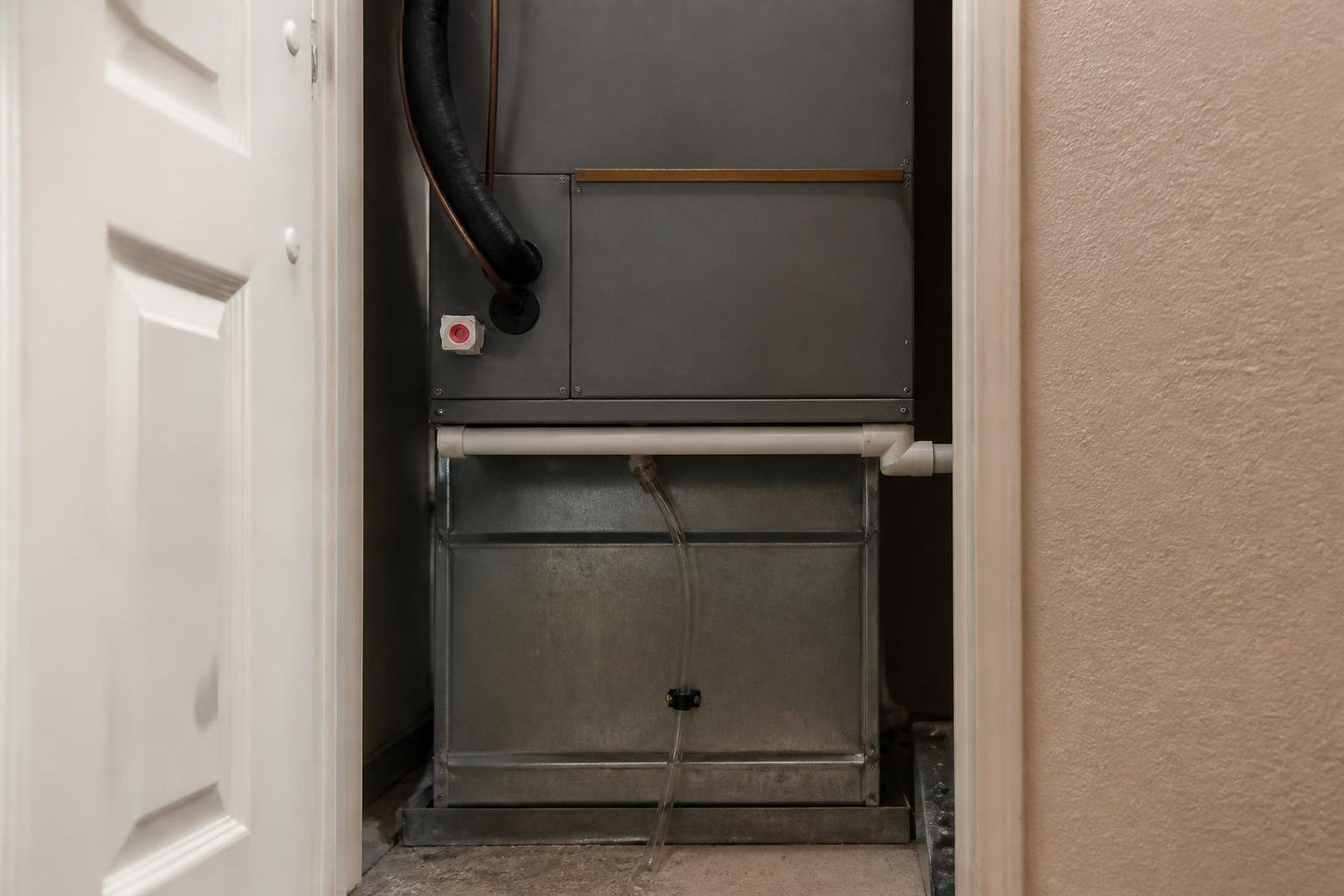
An air conditioner removes a significant amount of moisture from the air, and that condensate has to go somewhere. A safety inspection checks that the primary drain line is clear, that the secondary drain or float switch is working if the system has one, and that there’s no sign of prior overflow that could point to hidden water damage. This matters because a clogged drain line doesn’t just cause an inconvenient shutdown, it can lead to water intrusion into ceilings or walls if the safety switch isn’t functioning the way it’s supposed to.
Refrigerant Handling and Combustion Safety
For systems with a gas furnace or gas-fired component, a safety inspection includes checking for proper venting and looking for any signs of a compromised heat exchanger, since a cracked heat exchanger can allow combustion byproducts to enter the airflow. Most Florida homes rely on electric heat strips or heat pumps rather than gas furnaces, but for the ones that do have gas components, this check is one of the more important items on the list. On the cooling side, inspectors check for refrigerant leaks, since low refrigerant isn’t just a performance issue, it can also point to a leak that’s been slowly releasing refrigerant into the surrounding air.
What a Safety Inspection Doesn’t Replace
It’s worth being clear about what this inspection is and isn’t. It’s not a substitute for regular filter changes, and it’s not the same as a full performance tune-up that checks refrigerant charge against manufacturer specifications or measures airflow across the coil. Think of it as a focused pass through the items most likely to become genuinely unsafe if ignored, layered on top of whatever routine maintenance your system already gets.
- Not a filter change. That’s routine upkeep, not a safety item, though a severely clogged filter can contribute to other problems.
- Not a full performance diagnostic. Refrigerant charge and airflow measurements are part of a broader tune-up, not the safety checklist itself.
- Not a one-time fix. Wiring and drainage conditions change over time, so this is the kind of check worth repeating periodically rather than treating as a one-and-done item.
How Often This Should Happen
There isn’t a single answer that fits every home, since it depends on the age of the system, whether it has a gas component, and how much stress Florida’s climate puts on the electrical and drainage components over a given year. Newer systems in good condition can often go longer between focused safety checks than an aging unit with a history of drainage issues or a disconnect box that’s already shown some corrosion. Pairing a safety inspection with a seasonal maintenance visit, rather than scheduling it as a separate appointment, tends to be the easiest way to keep it from being forgotten, since it adds relatively little time to a visit that’s already happening.
Homes with older systems, systems that have had condensate issues in the past, or systems installed in areas with known corrosion problems, like coastal parts of Brevard County, are generally better served checking more frequently than a newer inland installation might need.
What Happens if an Issue Is Found
Finding an issue during a safety inspection doesn’t automatically mean an expensive repair. Loose electrical connections are typically tightened on the spot, and a clogged condensate line is often cleared during the same visit without needing to reschedule. More involved findings, like a corroded disconnect box that needs replacement or a float switch that’s stopped functioning, are usually still contained repairs rather than a sign the whole system is failing. The inspection’s value is in catching these items while they’re still straightforward fixes, before they’ve had time to cause secondary damage like water intrusion or a tripped breaker at an inconvenient moment. That’s really the core value of treating this as its own checklist item rather than assuming it’s automatically bundled into whatever maintenance visit already happens each year without ever being confirmed directly with the technician doing the work.
Refrigerant Leaks Are a Regulated Issue, Not Just a Performance One
Low refrigerant almost always means a leak somewhere in the system, and that’s not just a comfort or efficiency problem. EPA regulations under Section 608 of the Clean Air Act prohibit intentionally venting refrigerants, including the hydrofluorocarbon blends used in most residential systems, and require technicians to use recovery equipment when servicing a system rather than releasing refrigerant into the air. A safety inspection that finds a leak isn’t just flagging a performance issue, it’s identifying something that has to be handled a specific way once it’s confirmed.
This is part of why a refrigerant leak found during an inspection typically leads to a conversation about locating and repairing the leak rather than simply topping off the charge and moving on. Recharging a system without addressing the leak means the refrigerant works its way back out again, and depending on how the leak is progressing, that can happen faster than homeowners expect in a climate where systems run for a large share of the year. Confirming both the leak’s location and that any recovered refrigerant was handled correctly is part of what separates a proper repair from a temporary fix.
Frequently Asked Questions
How is a safety inspection different from a regular AC tune-up?
A tune-up focuses on performance, refrigerant levels, and airflow. A safety inspection focuses specifically on electrical connections, condensate drainage, and combustion-related items where applicable. They often happen together, but they’re checking different things and catching different kinds of problems.
What are the most common issues found during a safety inspection?
Loose or corroded electrical connections and clogged or improperly draining condensate lines come up most often in Florida’s humid climate, since both are accelerated by moisture exposure over time and by the sheer number of hours a Florida AC system runs each year.
Does every HVAC system need a combustion safety check?
Only systems with a gas furnace or gas-fired component need that specific check. Electric-only systems, which are common in Florida homes, don’t have that component but still benefit from the electrical and drainage portions of the inspection just the same.
If it’s been a while since your system had a focused look at its electrical and drainage components, our HVAC maintenance team can help, including our HVAC safety inspection service. Contact Inlet Mechanical to schedule a look at your system.
Talk to a Licensed Inlet Mechanical Pro
Whether it’s a repair, an upgrade, or a question, our team is ready to help homeowners and businesses across Brevard & Indian River County.
Licensed FL Mechanical (CMC1250858) · 85+ years combined experience · Free, no-obligation estimates
Written & Reviewed By
Inlet Mechanical Team
The Inlet Mechanical team brings over 85 years of combined experience in HVAC, plumbing, and mechanical construction across Florida. Our licensed professionals hold Florida Mechanical HVAC License (CMC1250858) and Florida Plumbing License (CFC1433105), along with EPA Section 608 certifications. Based in Brevard County, we serve residential, commercial, and industrial clients with expert knowledge of Florida building codes, climate-specific HVAC solutions, and local plumbing requirements. Every article is reviewed by our licensed technicians to ensure accuracy and practical value for Melbourne-area homeowners and businesses.
Last Updated: September 24, 2026