
More homeowners across Brevard County are asking about bidets, whether that means a simple attachment that clips onto an existing toilet or a standalone fixture built into a bathroom remodel. Inlet Mechanical installs bidets as part of our bathroom plumbing work, and the most common question we hear isn’t “does it work” but “what does my bathroom need to have first.” Here’s an honest look at what goes into a bidet installation in a Florida home, so you can decide which style actually fits your space and your plumbing.
What a Bidet Installation Actually Involves
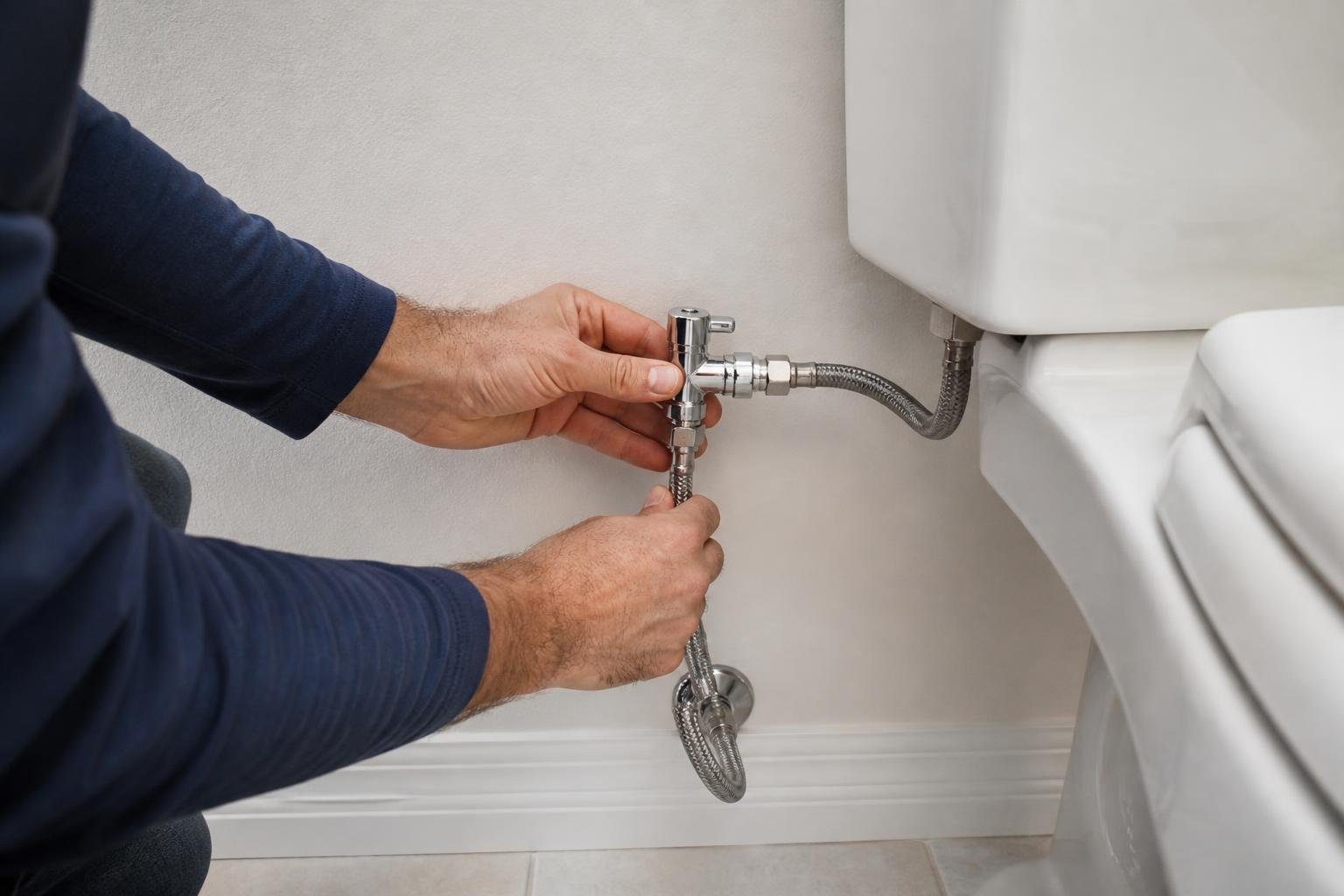
The scope of the job depends heavily on which type of bidet you’re adding. A bidet attachment or non-electric seat usually taps into the existing toilet’s water supply line through a T-valve, which is a relatively quick job in most bathrooms. An electric bidet seat adds a second requirement: a grounded outlet within reach of the toilet, which older Florida homes don’t always have near the fixture. A standalone bidet, the kind that sits next to the toilet as its own unit, is the most involved option because it needs its own water supply and drain connection, which usually means opening the wall or floor.
Before we recommend a path, we look at what’s already there. Water supply line location, shutoff valve condition, and available outlet access all shape whether a project is a same-day add-on or a larger plumbing task.
Is Your Bathroom Ready? What We Check First
Need help with plumbing?
Inlet Mechanical’s licensed techs serve Brevard & Indian River with fast, dependable service and free estimates.
A handful of details determine how straightforward the installation will be:
- Water pressure and shutoff condition: Older angle stop valves in Florida homes can be brittle or corroded, and it’s usually easier to replace a questionable shutoff while the toilet is already disconnected than to come back for it later.
- Available electrical outlet: Electric bidet seats need power nearby. If there’s no GFCI outlet within cord length, that’s a separate but related step to plan for.
- Toilet compatibility: Most standard elongated and round-front toilets accept an attachment or seat, but some low-profile or one-piece designs need a specific bidet model to fit properly.
- Clearance around the fixture: A standalone bidet needs enough floor space next to the toilet, which is worth measuring before you fall in love with a particular layout.
Attachment, Seat, or Standalone: Choosing the Right Fit
There isn’t one right answer here, it depends on your budget priorities, your bathroom’s layout, and how much you want the fixture to do. A bidet attachment is the least disruptive option and works well for homeowners who want the functionality without touching the plumbing beyond the supply line. A bidet seat, electric or non-electric, replaces the toilet seat itself and can add features like heated water or adjustable pressure, but electric models bring that outlet requirement into the picture. A standalone bidet is closer to a small remodel project since it needs its own supply and drain, which is why it’s more common in a full bathroom renovation than a quick upgrade.
For a rental property or a bathroom you’re not planning to remodel soon, an attachment or seat tends to make more sense. For a primary bathroom being redone from the studs out, a standalone fixture is worth considering while the walls are already open.
Common Bidet Installation Mistakes We See in Florida Homes
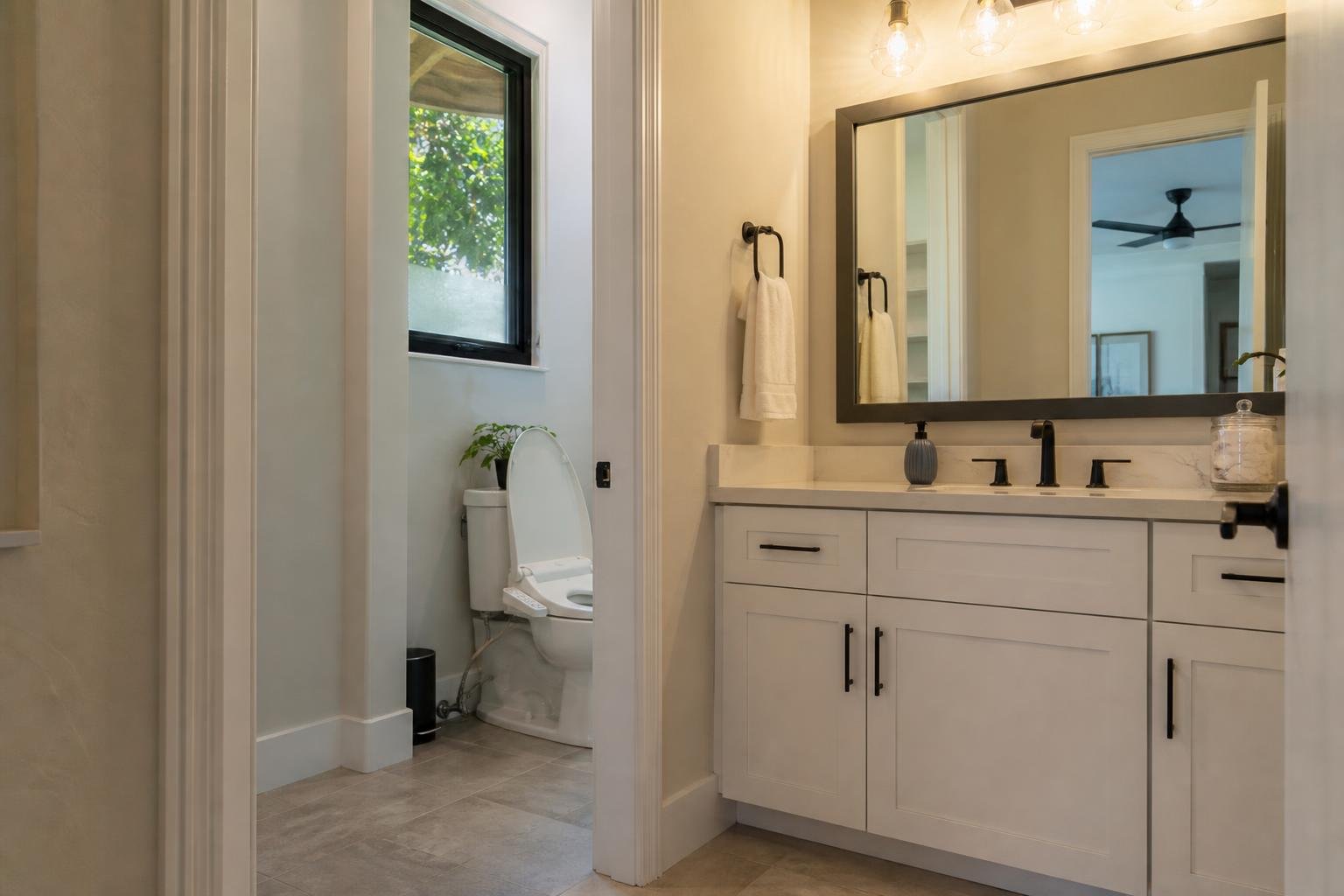
A few issues come up often enough that they’re worth mentioning before you start:
- Skipping the shutoff valve check. Connecting a new T-valve to an old, corroded angle stop is asking for a leak down the road. It’s usually worth replacing the valve at the same time.
- Ignoring outlet placement. Running an extension cord to an electric bidet seat isn’t a long-term solution in a bathroom, where moisture and cords don’t mix well.
- Assuming every toilet fits every bidet. Bowl shape and seat mounting hardware vary enough between manufacturers that it’s worth confirming compatibility before ordering online.
- Underestimating water pressure needs. Homes on well water or with older pressure-reducing valves sometimes need a pressure check before an electric bidet will perform the way it’s designed to.
None of these are complicated to solve, they just need to be caught before the fixture goes in rather than after.
What to Expect During an Installation Visit
For most attachment or seat installations, the visit starts with a quick look at the existing shutoff valve and supply line before any parts come out of the box. If the valve is original to the home and shows any sign of corrosion or difficulty turning, replacing it at the same time avoids a second visit down the road. From there, connecting a T-valve, running the small supply line to the bidet unit, and mounting the seat or attachment is generally a contained job that doesn’t require opening walls or flooring. A standalone bidet is a longer visit, closer in scope to adding a new fixture, since it needs its own supply and drain tie-in rather than sharing the toilet’s existing connections.
Afterward, it’s worth running the unit through its functions before considering the job finished, checking that water pressure and temperature (for electric models with that feature) are set the way you expect. Most issues that show up after a bidet installation trace back to water pressure that’s higher or lower than the unit is designed for, which is easy to adjust once it’s identified.
GFCI Protection: Why Electrical Safety Near Water Isn’t Optional
Any electric bidet seat installation puts a powered outlet within a few feet of a water source, which is exactly the situation ground-fault circuit interrupter (GFCI) protection is designed for. A GFCI outlet monitors the current flowing through a circuit and shuts the power off in a fraction of a second if it detects current leaking somewhere it shouldn’t, well before a standard breaker would trip. The U.S. Consumer Product Safety Commission’s GFCI fact sheet notes that bathroom outlets are required to have GFCI protection under the National Electrical Code in new construction, and wider use of GFCIs has meaningfully reduced home electrocutions over the years.
If your bathroom’s outlet predates that requirement, or the only outlet within reach of the toilet isn’t GFCI-protected, that’s worth addressing before an electric bidet seat gets plugged in rather than after, since it’s usually a small addition to the project scope and easy to overlook when you’re focused on picking out the fixture itself. It’s also one of the main reasons an electric bidet seat can turn a simple attachment swap into a slightly longer visit, alongside an aging shutoff valve that’s worth replacing while the toilet is already disconnected.
Frequently Asked Questions
Can a bidet be added to any existing toilet?
Most standard toilets can accept a bidet attachment or seat, but it depends on the bowl shape and seat mounting style. We check compatibility before recommending a specific model so you’re not stuck with one that doesn’t fit.
Do I need an electrician for an electric bidet seat?
If there’s already a GFCI outlet within reach of the toilet, usually not. If there isn’t, adding one is a separate step we can coordinate as part of the project.
How long does a bidet installation take?
An attachment or non-electric seat is typically a same-visit job. A standalone bidet that requires new supply and drain lines takes longer and is closer in scope to a small bathroom plumbing project.
If you’re weighing a bidet for a Palm Bay, Melbourne, or Brevard County bathroom, our bathroom plumbing team can walk through your specific setup and recommend the fixture that fits it, including our bidet installation service. Contact Inlet Mechanical to schedule a look at your bathroom before you buy.
Talk to a Licensed Inlet Mechanical Pro
Whether it’s a repair, an upgrade, or a question, our team is ready to help homeowners and businesses across Brevard & Indian River County.
Licensed FL Mechanical (CMC1250858) · 85+ years combined experience · Free, no-obligation estimates
Written & Reviewed By
Inlet Mechanical Team
The Inlet Mechanical team brings over 85 years of combined experience in HVAC, plumbing, and mechanical construction across Florida. Our licensed professionals hold Florida Mechanical HVAC License (CMC1250858) and Florida Plumbing License (CFC1433105), along with EPA Section 608 certifications. Based in Brevard County, we serve residential, commercial, and industrial clients with expert knowledge of Florida building codes, climate-specific HVAC solutions, and local plumbing requirements. Every article is reviewed by our licensed technicians to ensure accuracy and practical value for Melbourne-area homeowners and businesses.
Last Updated: September 24, 2026