
A water heater drain valve leaking can look simple at first: a small drip near the bottom of the tank, a damp pan, or a wet spot on the garage floor. Before you touch anything, the practical decision is to figure out whether the moisture is truly coming from the low drain valve or from another nearby source.
In Palm Bay, Melbourne, and across Brevard County, many water heaters sit in garages, closets, laundry areas, and commercial utility spaces where small leaks can spread into stored belongings or finished materials. A careful visual check from a safe, dry location can help you describe the issue clearly to a plumber without forcing valves, handling hot water, or attempting unsafe pressure, gas, refrigerant, or electrical work.
How to Tell If a Water Heater Drain Valve Leaking Is the Real Source
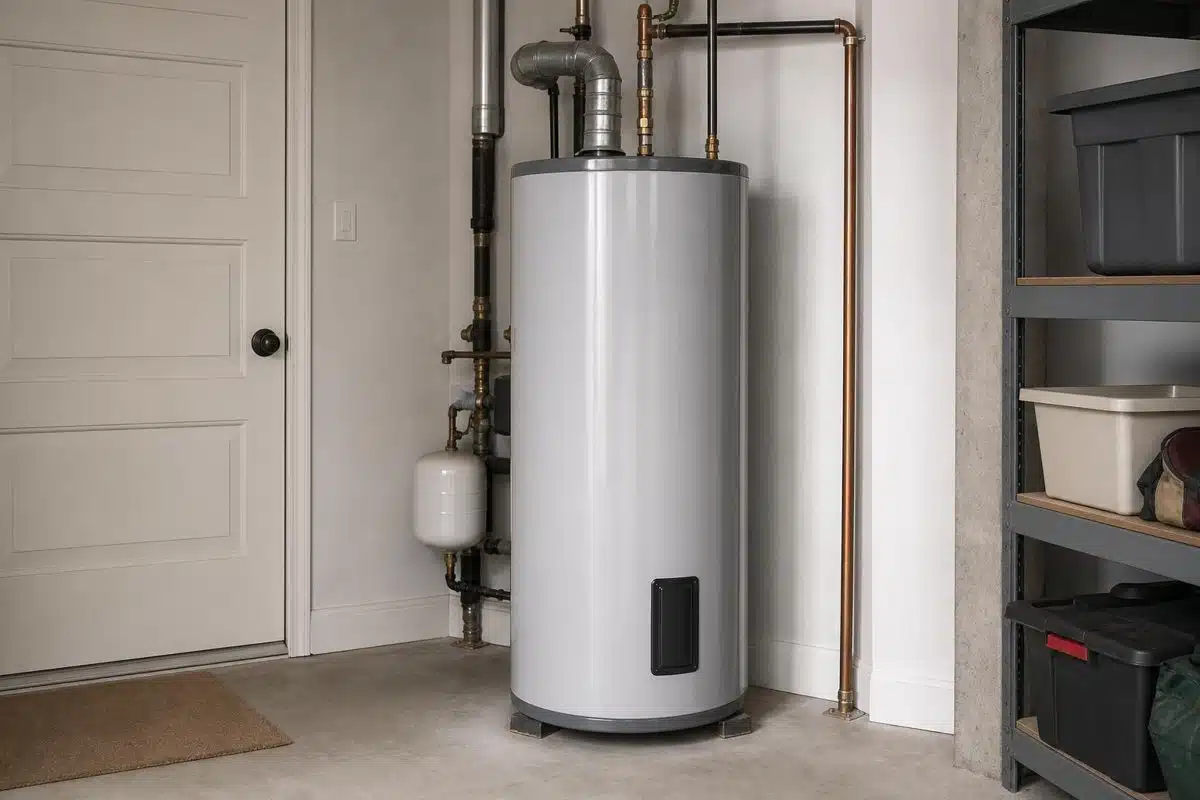
The drain valve is usually located low on the water heater, often near the front of the tank. It may have a small handle, a plastic or brass body, and threads where a hose can attach. If you see moisture below that fitting, look for the highest point where water appears, because water can run down the jacket, piping, or insulation before collecting at the base.
Use a flashlight and keep your hands away from hot surfaces and electrical components. Look for a bead of water forming directly at the drain valve outlet, around the valve stem, or where the valve threads into the tank. If the area above the valve is dry and the drip starts at the valve body, that detail is useful when you contact a plumbing professional.
Do not force the drain valve open or closed to “test” it. Older valves, mineral buildup, and plastic parts can break or worsen a leak when handled roughly. If the valve is already dripping, a plumber should assess both the valve and the tank condition before deciding whether a repair is appropriate.
It also helps to note whether the leak is constant, intermittent, or only visible after hot water use. That timing can point to different conditions around the heater, but it is still not a reason to cap, plug, or modify any safety piping. The goal is to localize what you can see, then plan service safely.
Other Leaks That Can Look Like a Drain Valve Problem
Need help with plumbing?
Inlet Mechanical’s licensed techs serve Brevard & Indian River with fast, dependable service and free estimates.
Water at the base of the heater does not always mean the drain valve is the failing part. The cold-water inlet, hot-water outlet, dielectric unions, flex connectors, shutoff valve, and nearby plumbing joints can all drip and send water down the tank jacket. In a tight closet, a leak from above may land close to the drain valve and make it look like the lower fitting is responsible.
The temperature and pressure relief valve discharge line is another important area to observe without altering it. This safety-related line should not be capped, blocked, or redirected in a way that conflicts with the manufacturer’s guidance for the exact unit. If water is coming from that discharge piping, describe it to a plumber rather than treating it like a normal nuisance drip.
Condensation can also confuse the picture in Florida utility spaces, especially when cold inlet water, humid air, and nearby HVAC equipment are involved. A wide view of the mechanical area can show whether moisture is forming on pipes, ducts, or other surfaces before dripping near the heater. For general manufacturer guidance on water heater leak locations, A. O. Smith provides a helpful overview at Hotwater.com.
If your water heater is near an air handler, condensate line, laundry equipment, or stored cleaning supplies, expand your visual check beyond the tank itself. Inlet Mechanical helps homeowners with plumbing concerns through residential plumbing services, and keeping these possible sources in mind can make the service conversation more productive.
What to Document Before You Schedule Plumbing Service
Good notes can save time and reduce guesswork. You do not need to disassemble anything or perform a pressure test. Instead, document what you can see from a safe, dry place, especially if the leak changes over several hours.
Start with clear photos that show both a close view of the suspected leak and a wider view of the entire heater. The close photo helps identify the valve, fitting, or discharge line involved. The wider photo shows access, surrounding equipment, the pan, nearby piping, and whether stored items are blocking the work area.
- Location: note whether the heater is in a garage, closet, laundry room, utility room, or commercial space.
- Leak point: describe whether water appears at the drain valve outlet, valve stem, tank seam, relief discharge line, pipe joint, or floor pan.
- Timing: record whether the drip is steady, occasional, or more noticeable after showers, laundry, or dishwashing.
- Amount: avoid exact guesses if you are unsure, but note whether it is a damp spot, slow drip, small puddle, or active flow.
- Access: mention whether stored items, shelving, vehicles, or equipment make the water heater difficult to reach.
- Model details: if the label is visible without moving anything, photograph it rather than reaching into a tight or wet area.
If you are comfortable doing so without contact with water or equipment, move belongings away from the affected area to protect them. Do not stand in water near electrical equipment, do not remove access panels, and do not energize or operate a water heater that may be empty or compromised. A plumber can determine the next steps after inspecting the valve, tank, and connected plumbing.
Protecting the Area Without Making the Leak Worse
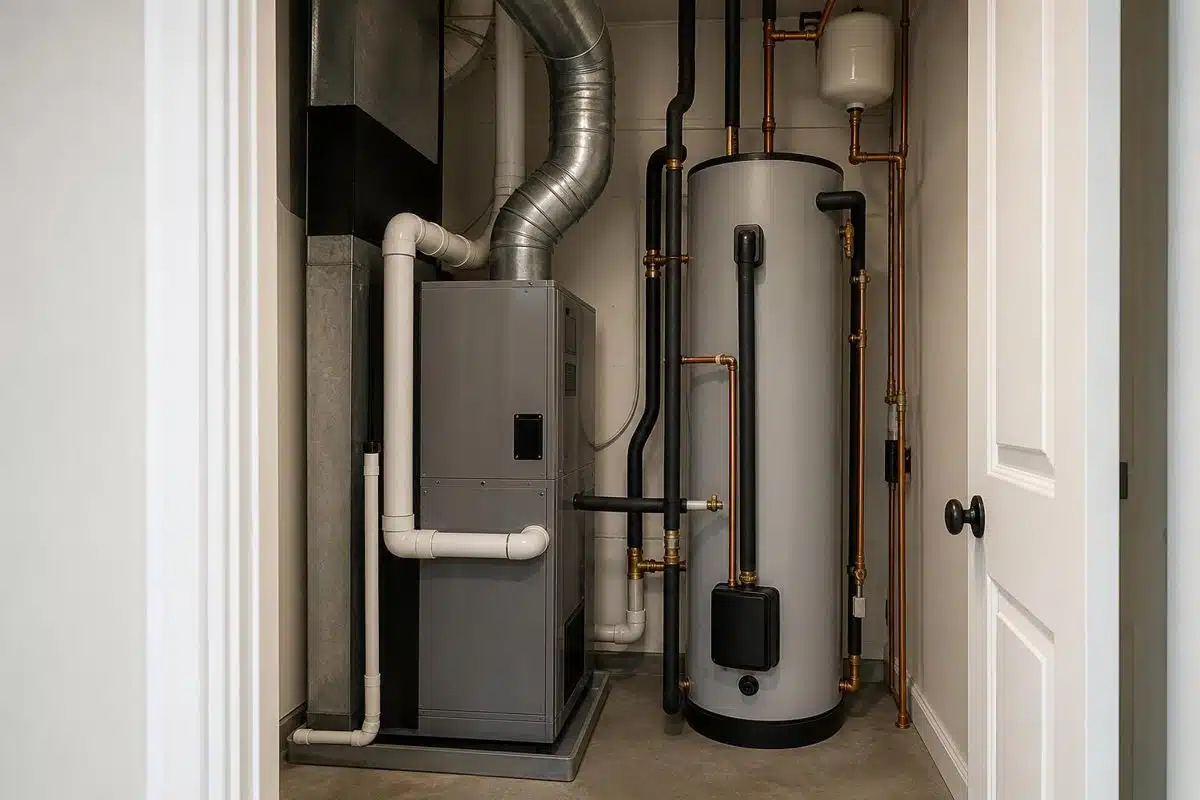
A small drip can become a cleanup problem if cardboard boxes, drywall, baseboards, or flooring stay wet. From a safe location, remove absorbent items nearby and keep the area visible. If there is a drain pan, observe whether water is collecting in it and whether the pan outlet appears to be carrying water away as intended.
Avoid quick fixes that hide the symptoms or create risk. Do not cap a relief valve discharge line, plug a leaking opening, force a crusted valve, or add sealants to hot or pressurized components. These actions can make diagnosis harder and may create unsafe conditions.
If the water heater serves a business, the same basic approach applies, but access and continuity may be more important. Keep the utility space clear, note whether restrooms, breakrooms, fixtures, or process needs are affected, and provide photos when requesting service. Clear communication helps the plumber prepare for diagnosis and service planning.
For homes that also have nearby cooling equipment, check whether water may be coming from HVAC condensate instead of the heater. If there are recurring comfort system issues or drainage concerns near the air handler, routine residential HVAC maintenance services can help keep that equipment accessible and easier to evaluate alongside plumbing concerns.
When a Plumber Should Evaluate the Valve and Tank
A leaking drain valve may be repairable in some cases, but the decision belongs with a qualified plumber who can inspect the valve type, tank condition, age-related wear, and surrounding piping. A valve that is cracked, corroded, loose, or clogged with mineral deposits can behave differently than a newer, clean fitting. The tank itself also needs attention if water appears at seams, under insulation, or from the bottom.
Do not assume that replacing a visible valve solves every leak at the heater base. Water can track along surfaces, and a failing tank may show moisture near the drain valve simply because gravity carries it there. A plumber may need to evaluate the pattern of water, the condition of connections, and the manufacturer’s guidance for the exact equipment.
In Brevard County homes, garages and closets can expose water heaters to salt air, humidity, storage clutter, and temperature swings. These local conditions can make visual access and early documentation especially valuable. If the space is clean and unobstructed, diagnosis is typically more straightforward than when the heater is hidden behind stacked boxes or tightly packed shelving.
If you notice an active leak, loss of hot water, water near electrical components, unusual sounds, or signs that the tank is not holding water properly, stop using guesswork and arrange service. Inlet Mechanical provides residential and commercial HVAC and plumbing service planning for Palm Bay, Melbourne, and Brevard County, with an emphasis on safe diagnosis rather than risky do-it-yourself handling.
Frequently Asked Questions
Can I tighten a leaking water heater drain valve myself?
It is better not to force the valve or use tools on it without a plumbing assessment. Drain valves can be plastic or metal, and age, heat, mineral buildup, or corrosion can make them fragile. Turning or tightening the valve can worsen the leak or break the fitting. Photograph the leak and schedule a plumber to inspect the valve and tank condition.
Is water at the base always from the drain valve?
No. Water can run down from pipe joints, the cold inlet, the hot outlet, the relief valve discharge line, condensation, nearby HVAC condensate, or even another appliance. The drain valve is simply a common place where water collects because it is low on the tank. Look for the highest visible wet point, but avoid touching hot, wet, electrical, or pressurized components.
Should I put a cap on the relief valve discharge pipe if it drips?
No. The temperature and pressure relief valve discharge piping is safety related and should not be capped, plugged, or blocked. A drip from that line is a different concern than a water heater drain valve leaking. Leave the discharge path alone and contact a plumber, who can evaluate the valve, heater conditions, and manufacturer guidance for the specific unit.
What photos help when I contact a plumber?
Take one close photo of the suspected leak and one wide photo of the full water heater area if you can do so safely. Include the drain valve, relief valve discharge line, visible piping, pan, floor, and nearby equipment. A photo of the model label can also help if it is visible without reaching into a wet or tight space.
Call Inlet Mechanical at (321) 723-0858 if you see a water heater drain valve leaking in Palm Bay, Melbourne, or anywhere in Brevard County. You can also contact Inlet Mechanical to share what you are seeing and request plumbing service planning.
Talk to a Licensed Inlet Mechanical Pro
Whether it’s a repair, an upgrade, or a question, our team is ready to help homeowners and businesses across Brevard & Indian River County.
Licensed FL Mechanical (CMC1250858) · 85+ years combined experience · Free, no-obligation estimates
Written & Reviewed By
Inlet Mechanical Team
The Inlet Mechanical team brings over 85 years of combined experience in HVAC, plumbing, and mechanical construction across Florida. Our licensed professionals hold Florida Mechanical HVAC License (CMC1250858) and Florida Plumbing License (CFC1433105), along with EPA Section 608 certifications. Based in Brevard County, we serve residential, commercial, and industrial clients with expert knowledge of Florida building codes, climate-specific HVAC solutions, and local plumbing requirements. Every article is reviewed by our licensed technicians to ensure accuracy and practical value for Melbourne-area homeowners and businesses.
Last Updated: September 24, 2026