
Before you leave your Palm Bay, Melbourne, or Brevard County property for several days, water heater vacation mode is worth checking, but it should not be treated as a universal switch for every system. Some water heaters have a manufacturer-labeled vacation setting, some have app-based controls, and others should be handled only according to the exact model instructions.
Your practical decision is whether to use a built-in mode, leave the system operating normally, or plan service before you go. That choice can be different for a tank unit in a garage, a water heater in a utility closet, a commercial plumbing setup, or equipment that already shows warning signs. A few calm checks before travel can help you avoid guessing at the last minute.
What Water Heater Vacation Mode Usually Means
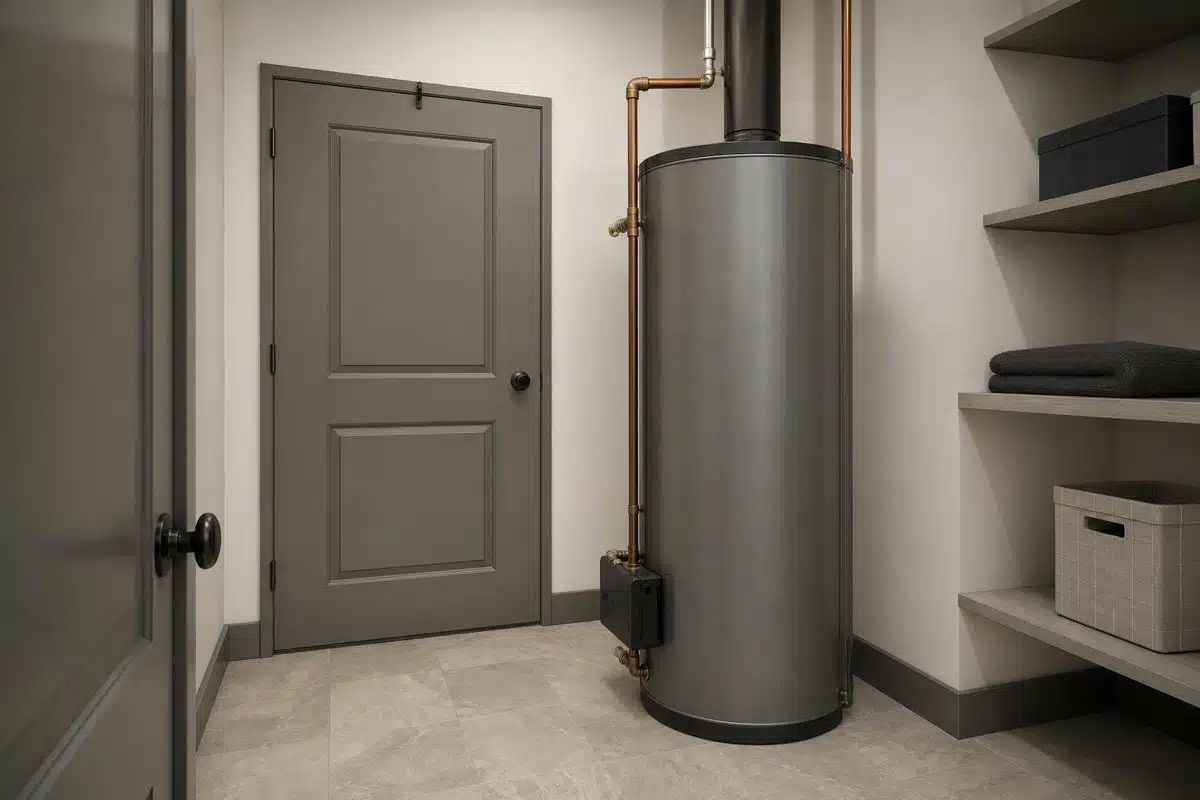
Water heater vacation mode is a manufacturer-designed setting that reduces normal heating activity while the building is not in regular use. On some gas water heaters, it may be a labeled position on the control. On some electric, hybrid, or smart models, it may be part of a menu or app setting. The important point is that vacation mode is not the same as randomly turning valves, breakers, or controls without the manual.
For homeowners and property managers in Brevard County, the word “vacation” can be misleading because trips vary widely. A long weekend, a seasonal absence, and a commercial holiday closure are not the same operating condition. Equipment location, age, fuel type, plumbing condition, and manufacturer instructions all affect what is appropriate.
Rheem’s homeowner guidance notes that some gas water heaters include a vacation setting intended for time away, while also reminding owners to consult the water heater’s manual and follow model-specific instructions. You can review their overview here: Rheem vacation tips for gas water heaters. Use that type of manufacturer guidance as a starting point, not as a substitute for the exact instructions on your unit.
If you cannot identify your model, do not force a control or make assumptions about a gas valve, electrical disconnect, or water supply. Inlet Mechanical’s residential plumbing services can help with diagnosis and service planning when a water heater or nearby plumbing needs attention before you travel.
How to Decide Between Vacation Mode, Normal Operation, and Shutoff
Need help with plumbing?
Inlet Mechanical’s licensed techs serve Brevard & Indian River with fast, dependable service and free estimates.
The safest first step is to find the model information and check the manufacturer’s manual for the exact water heater. Vacation settings differ, and the correct procedure may depend on whether the system is gas, electric, hybrid, tankless, residential, or part of a commercial installation. Do not rely only on a neighbor’s advice, a generic online checklist, or a control label that is hard to read.
Vacation mode may make sense when the equipment is designed for it and the building will be unoccupied for a defined period. Normal operation may be more appropriate when occupants, employees, cleaning staff, tenants, or equipment still need hot water. A full equipment or water shutoff may be considered in some situations, but only when you understand the consequences for the exact plumbing system, appliances, fixtures, and manufacturer requirements.
Be especially careful about confusing whole-home water shutoff with water heater settings. Closing the main water supply affects toilets, ice makers, irrigation connections, hose bibbs, and other plumbing points. It may also change what should be done with the water heater, so the sequence should be based on the manufacturer’s instructions and, when needed, professional guidance.
For commercial spaces in Melbourne or elsewhere in Brevard County, the decision can be more involved. Restrooms, breakroom fixtures, mop sinks, tenant spaces, and scheduled cleaning may still require water service. A planned closure is a good time to document who is authorized to adjust equipment and who will inspect the building before reopening.
Pre-Trip Checks Around the Water Heater
A clean, accessible utility area makes pre-travel checks easier. You are not trying to repair the water heater yourself. You are looking for visible conditions that should be addressed before you leave, especially if the property will be unattended.
Use this quick visual checklist a few days before departure, not when luggage is already in the car:
- Look for moisture: Check the floor, pan if present, nearby walls, and visible pipe connections for dripping, staining, or dampness.
- Check access: Keep stored boxes, cleaning supplies, and laundry items away from the water heater so controls and service areas are reachable.
- Listen and observe: Unusual sounds, repeated burner or element concerns, error codes, or intermittent hot water should be evaluated before travel.
- Review the manual: Confirm whether your exact unit has water heater vacation mode and how the manufacturer says to use it.
- Inspect nearby plumbing: Look at visible valves, supply lines, and fittings for corrosion, mineral buildup, or signs of past leakage.
- Plan access: If someone will check the property, make sure they know where the water heater is and what visible concerns should prompt a call.
Do not remove covers, open sealed compartments, relight pilots, adjust gas components, or perform electrical work as a travel-prep task. Those steps can create safety risks and may not address the actual issue. If something looks wrong, treat the observation as a reason to schedule qualified service, not as an invitation to experiment.
Humidity, stored belongings, and tight utility closets can make small plumbing problems harder to notice in Florida homes. A dry, unobstructed area around the heater helps you spot changes faster when you return. If the water heater is in a closet, garage, laundry area, or commercial utility room, leave the surrounding space neat enough for inspection.
Returning Home and Bringing Hot Water Back Into Use
When you return, avoid rushing to change every setting at once. If you used a manufacturer-approved water heater vacation mode, follow the exact guidance for bringing the unit back to normal operation. Some models may need time to heat water, and control panels or apps may have specific steps for ending the vacation schedule.
Before calling the system “back to normal,” check the area around the water heater again. Look for water on the floor, new staining, active dripping, or an error message that was not present before you left. If anything appears abnormal, stop and arrange service rather than repeatedly resetting controls.
Hot water complaints after travel can come from several causes. A setting may not have been restored, a control may be locked out, the heater may have an unrelated fault, or there may be a plumbing issue affecting delivery. If the problem involves gas, electrical components, refrigerant-related heat pump equipment, or internal water heater parts, it should not become a DIY project.
If your trip revealed a broader maintenance pattern, such as slow recovery, noisy operation, or inconsistent water temperature, schedule a review before the next absence. For households also planning seasonal comfort maintenance, Inlet Mechanical’s residential HVAC maintenance services can be coordinated as part of a larger property readiness conversation.
When Service Should Come Before the Suitcase
Certain signs should move water heater service ahead of travel preparation. Active leaking, repeated pilot or ignition trouble, persistent error codes, discolored hot water, unusual odors near equipment, visible corrosion, or hot water that has become unreliable should be evaluated before the building is left alone. These symptoms do not automatically mean the unit needs replacement, but they should be diagnosed.
It is also wise to seek help if you recently bought the property and do not know the equipment history. Many Brevard County homes have utility closets, garages, and outdoor-adjacent spaces where previous repairs or installation details may not be obvious. A professional can identify the type of system, review visible plumbing connections, and discuss practical options based on condition.
For rental properties, small offices, medical suites, retail spaces, and other commercial locations, service planning before a closure can reduce confusion for staff and vendors. Document the normal operating condition, who has access, and what should be reported. This is especially useful when no single person sees the equipment every day.
Inlet Mechanical focuses on residential and commercial HVAC and plumbing service, so the conversation can include both water heating concerns and related building systems. If you are not sure whether your issue is plumbing, HVAC, or equipment controls, start with a clear description of what you see, when it happens, and how long you will be away. You can use the contact page to request guidance before a planned trip.
Frequently Asked Questions
Is water heater vacation mode the same as turning the heater off?
No. Water heater vacation mode is a specific setting provided on some models, while turning equipment off may involve different controls, power, gas, or water considerations. The correct option depends on the exact unit and manufacturer instructions. If you are unsure what your control does, do not guess, especially on gas or electrical equipment.
Should I shut off the whole home water supply before leaving?
That decision depends on your plumbing layout, appliances, fixtures, and water heater instructions. Closing the main water supply can affect more than the water heater, including toilets, ice makers, irrigation connections, and other plumbing. If you plan to shut off water, confirm how your water heater should be handled first or ask for professional guidance.
What if my water heater does not have a vacation setting?
Many water heaters do not have a clearly labeled vacation mode, and that is not automatically a problem. Check the manual for travel or extended absence guidance for your exact model. If the manual is missing, use the model number to locate manufacturer information or schedule service planning rather than improvising with valves, breakers, or gas controls.
When should I schedule water heater service before travel?
Schedule service before you leave if you see leaking, corrosion, error codes, unreliable hot water, unusual sounds, or anything that has changed recently. You should also call if you cannot safely access the unit or identify its instructions. A pre-trip diagnosis is especially helpful when the property will be empty or checked only occasionally.
Schedule water heater vacation mode guidance or plumbing service planning with Inlet Mechanical before your next trip from Palm Bay, Melbourne, or anywhere in Brevard County. Call (321) 723-0858 or contact Inlet Mechanical to request a practical appointment.
Talk to a Licensed Inlet Mechanical Pro
Whether it’s a repair, an upgrade, or a question, our team is ready to help homeowners and businesses across Brevard & Indian River County.
Licensed FL Mechanical (CMC1250858) · 85+ years combined experience · Free, no-obligation estimates
Written & Reviewed By
Inlet Mechanical Team
The Inlet Mechanical team brings over 85 years of combined experience in HVAC, plumbing, and mechanical construction across Florida. Our licensed professionals hold Florida Mechanical HVAC License (CMC1250858) and Florida Plumbing License (CFC1433105), along with EPA Section 608 certifications. Based in Brevard County, we serve residential, commercial, and industrial clients with expert knowledge of Florida building codes, climate-specific HVAC solutions, and local plumbing requirements. Every article is reviewed by our licensed technicians to ensure accuracy and practical value for Melbourne-area homeowners and businesses.
Last Updated: September 15, 2026