
In many Palm Bay homes, airflow around the air handler closet is easy to overlook until a room starts feeling humid, a vent seems weak, or the closet itself smells stale. That narrow utility space does more than store equipment. It also affects how well air moves through the system, how easy it is to service, and whether moisture problems stay hidden. A closet that is too crowded can make a normal HVAC issue harder to spot and harder to correct. For homeowners, the goal is simple: keep the space safe, open, and ready for steady airflow.
What an Air Handler Closet Does in a Florida Home
An air handler closet is not just a box around equipment. It is part of the system’s operating environment. The air handler pulls air through the return path, moves it across the indoor coil, and sends conditioned air back through the ducts. If the closet is cramped, blocked, or poorly sealed, the system may have to work in a less stable setting.
In Florida, that matters because indoor humidity is always part of the picture. A closet with poor airflow can trap warm, damp air. Over time, that can create musty odors, stain nearby surfaces, or make small leaks harder to notice. It can also make routine service more difficult if a technician cannot safely reach filters, wiring, drains, or access panels.
What homeowners usually notice first
Many people first notice a closet airflow problem through the living space, not the closet itself. Rooms may feel uneven. A filter may seem to clog quickly. The system may run, but comfort still feels off. In some homes, the closet door feels warm or the area around it has a damp or dusty smell. Those are practical clues that the space deserves attention.
Why Utility-Closet Clearance Matters
Need help with AC & heating?
Inlet Mechanical’s licensed techs serve Brevard & Indian River with fast, dependable service and free estimates.
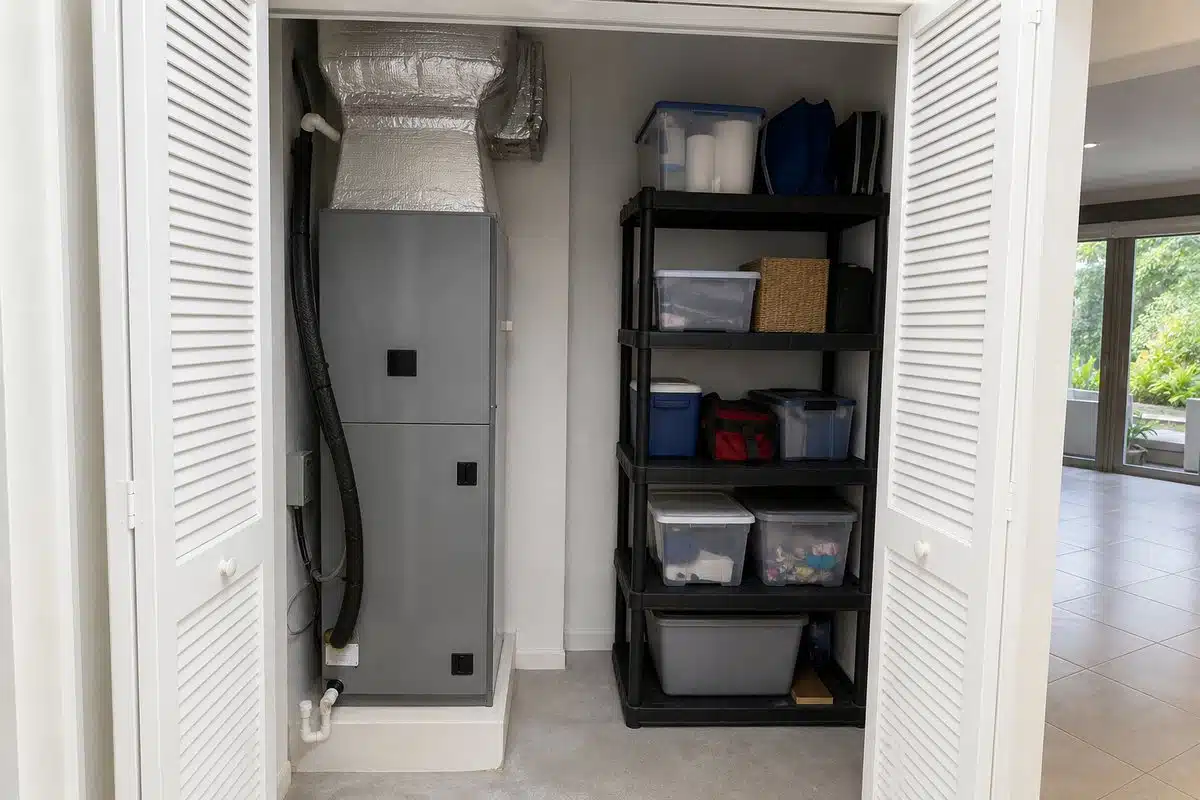
Good airflow around indoor HVAC equipment starts with a clear, serviceable space. The equipment needs room to move air, and service techs need room to inspect the unit without forcing parts or working around stored items. A closet filled with holiday bins, paint cans, cleaning supplies, or extra shelving can interfere with both.
It is also important to think about the air that surrounds the unit. If the closet pulls air from a tight, closed-off area, the system may recycle warm air around itself instead of working with a balanced supply of indoor air. That does not mean the closet must be large. It does mean the space should stay orderly and purpose-built.
What to keep out of the closet
Try to keep the closet dedicated to HVAC equipment only. Avoid storing boxes, brooms, pet items, or anything that can block the return opening or the front of the unit. Even a partially blocked opening can affect airflow and service access. If the system has a filter slot or drain access point, those areas should stay clear year-round.
How a crowded closet can affect comfort
A cramped closet can create uneven air movement around the air handler. That may not always cause a dramatic failure, but it can contribute to poor circulation, dust buildup, and a harder-working system. In a humid climate, poor circulation can also let moisture linger longer than it should. That is one reason a clutter-free closet supports both comfort and indoor air quality.
If you are reviewing a home’s HVAC layout or planning improvements, you can explore Inlet Mechanical’s residential HVAC services for a broader look at system care and equipment support.
Clearance, access, and the simple checks that help
Technicians need enough room to inspect the cabinet, reach the filter, service the drain line, and evaluate nearby ducts. Homeowners do not need to remove panels or handle electrical parts. Instead, focus on the visible space around the closet and on changes that suggest the unit is struggling to breathe.
Signs the closet may be too tight
Watch for these homeowner-friendly clues:
- The closet door does not open fully.
- Stored items touch the cabinet or ducts.
- The area feels warmer or more humid than nearby rooms.
- Dust collects quickly around the return opening.
- The filter is awkward to reach or replace.
These are not final diagnoses. They are signs that the space should be evaluated before a minor issue turns into a bigger service need.
What not to do
Do not open internal equipment panels, bypass controls, or try to inspect wiring inside the cabinet. Avoid repeated resets if the system trips a breaker or shuts down. Those are signs to pause and get help. The safest homeowner step is to clear the area and describe what you see when a technician arrives.
For homeowners thinking about comfort issues tied to dust, odors, or moisture, indoor air quality services can be a useful place to start.
Moisture, drainage, and odors around the closet
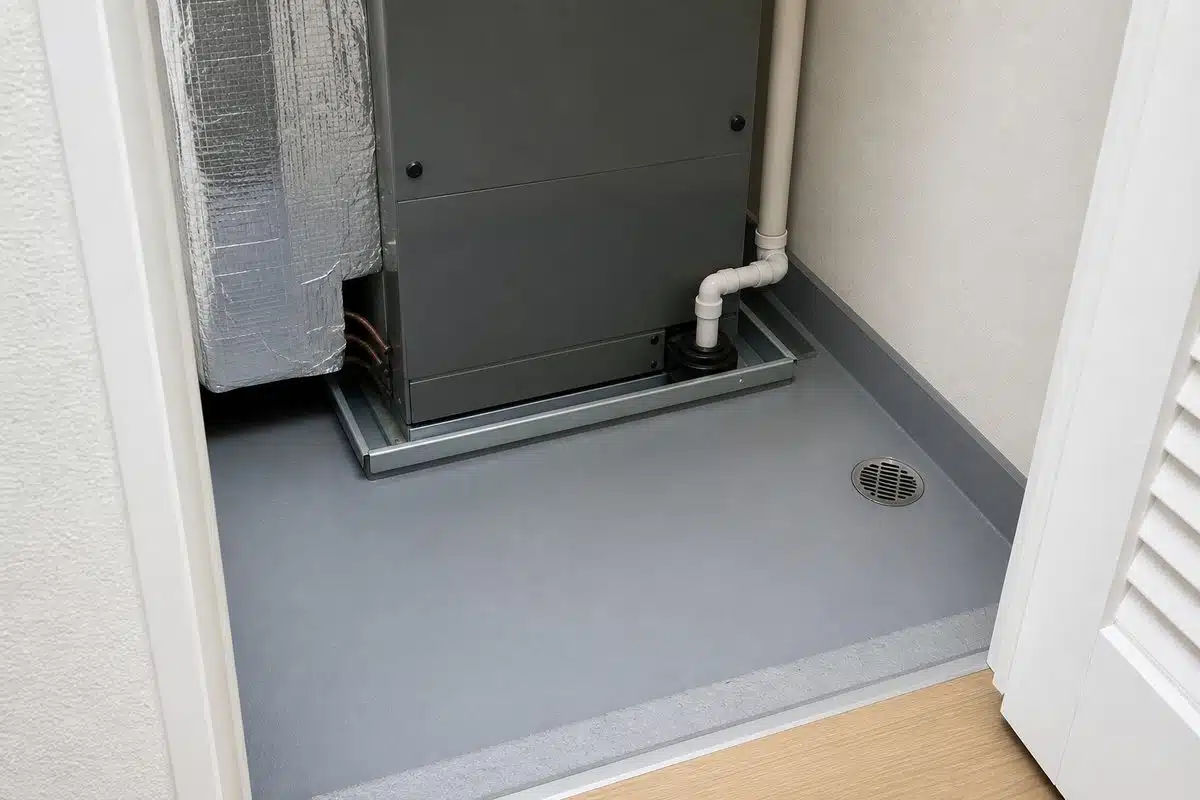
A closet can hide moisture issues that seem small at first. In Florida homes, a drain line problem or condensate backup may show up as a damp floor, stained drywall, rust on nearby metal, or a musty smell that comes and goes. Because the closet is enclosed, the signs may stay hidden longer than they would in a more open mechanical area.
Even when the system still cools, moisture near the air handler deserves attention. Standing water or repeated dampness can damage building materials and encourage odor problems. It can also make the closet feel stuffy, which many homeowners interpret as “bad airflow” when the real issue may involve drainage, sealing, or both.
Easy visual clues to watch for
Look for water marks on the floor, baseboards, or surrounding wall. Check whether the closet smells earthy or stale after the system has been running. Notice if nearby paint is bubbling or if the door frame looks swollen. These clues do not prove a single problem, but they help a technician narrow down the cause faster.
Why humidity changes the picture
Florida humidity can make small leaks more disruptive. A little extra moisture can linger inside a closed closet, especially if the air handler sits in a tight spot with limited circulation. That is why even a small stain or odor should be taken seriously. The closet itself may be giving you an early warning about a drainage or airflow issue elsewhere in the system.
The U.S. Department of Energy’s guidance on installation quality is a helpful reference for homeowners who want to understand why proper HVAC setup and access matter: ENERGY STAR HVAC quality installation guidance.
Palm Bay homes, closet design, and airflow pressure points
Homes in Palm Bay and across the Space Coast can vary widely in layout. Some have compact utility closets inside hallways or laundry areas. Others place the air handler near storage or in a location that was later modified by prior owners. When the space has been changed over time, airflow and service access can suffer even if the equipment itself is still working.
That is why local context matters. A closet that looked fine in a dry, inland climate can create more trouble here if it traps heat, humidity, or dust. In some homes, the door style, louvered opening, return placement, and nearby storage all influence how the system performs day to day.
Home improvements that can help
Simple changes often make a big difference. Removing stored items from the closet, keeping the door area open, and making sure the return opening is not obstructed can help the system breathe better. If the space has been modified, a professional can assess whether the layout still supports proper operation and service access.
When a layout issue is more than clutter
If the closet seems clear but the system still struggles, the issue may involve duct sizing, return placement, cabinet sealing, or another equipment concern. At that point, the best next step is a professional evaluation rather than trial-and-error changes. You can also review HVAC service for Palm Bay homes to see how local support fits the needs of your property.
How to keep the closet ready for routine service
Routine care starts with the space around the equipment. A clean, open closet makes it easier to notice small changes before they become larger repairs. It also helps a technician work efficiently and safely when the system needs attention.
Practical homeowner habits
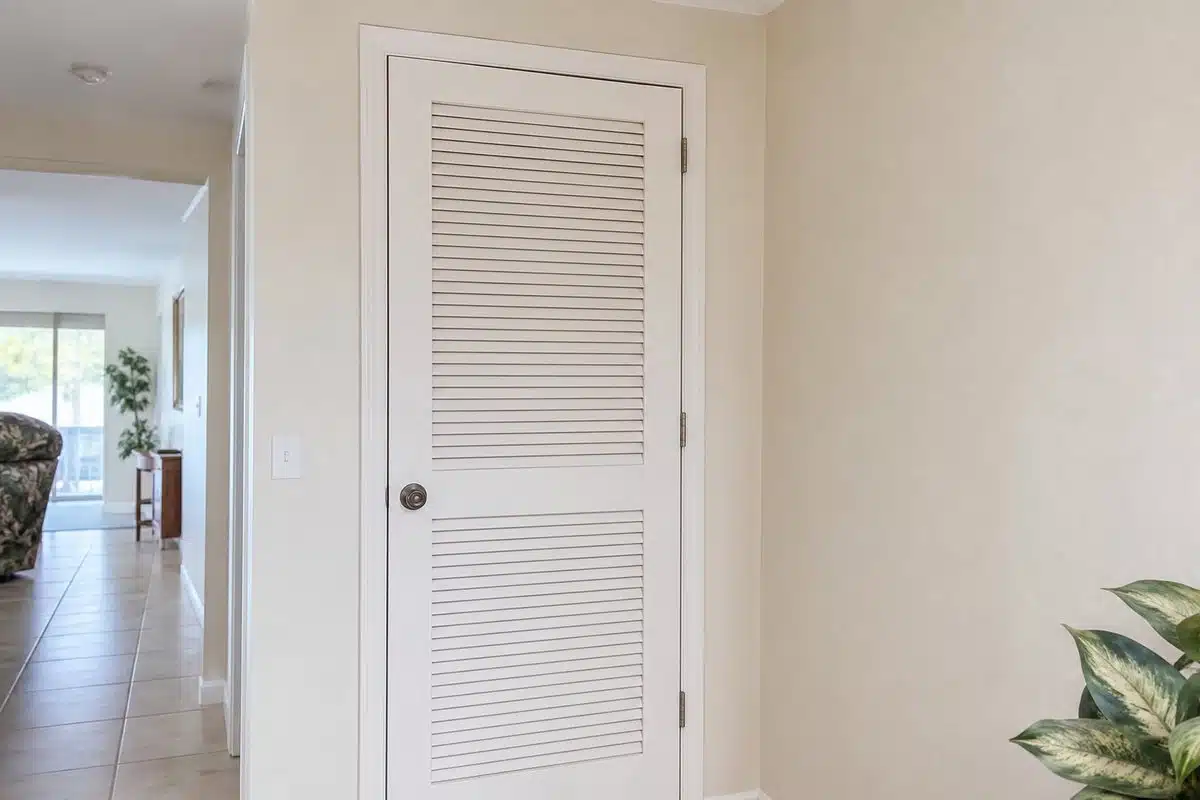
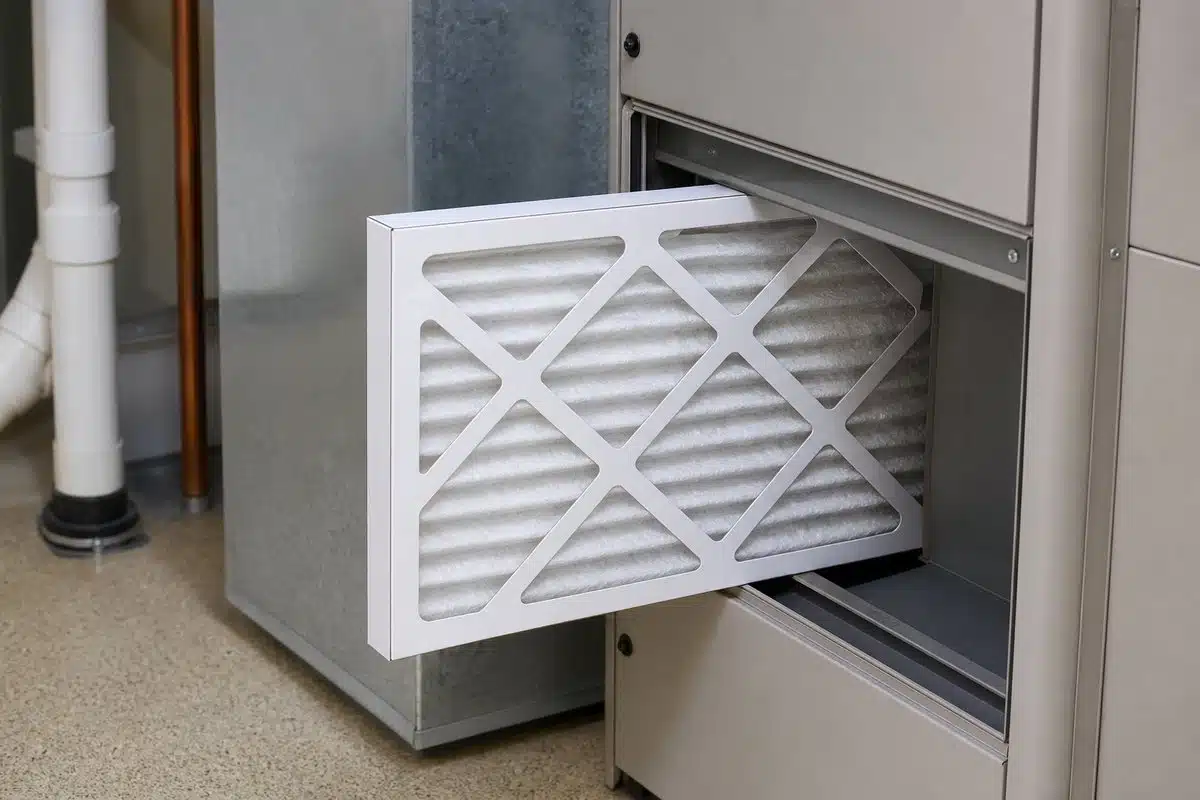
Keep the area swept and free of stored items. Replace the filter on the schedule recommended for your system. If the closet has a louvered door or return opening, make sure nothing is pressed against it. Pay attention to new sounds, smells, or moisture marks. If the closet is in a laundry area, keep lint and cleaning products away from the unit.
When to schedule a professional check
Schedule service if airflow changes suddenly, if the closet smells damp, if water appears near the unit, or if the door and surrounding wall show signs of heat or moisture. A technician can inspect the equipment, drainage, and cabinet condition without guesswork. For direct help, you can always use the Inlet Mechanical contact page to start a conversation about the issue.
Frequently Asked Questions
How much space should be kept around an air handler closet?
The exact clearance depends on the equipment design and the home’s layout, so it is best not to guess. The practical goal is to keep the closet open enough for safe service access and free air movement. Do not store boxes or supplies against the cabinet, return opening, or drain access. If you are unsure whether your closet is too tight, a technician can evaluate the space during a visit.
Can a crowded closet really affect cooling?
Yes. Even if the system still runs, a crowded closet can interfere with airflow around the air handler and make maintenance harder. That may contribute to dust buildup, uneven comfort, or moisture lingering near the unit. In some cases, the closet is not the only issue, but it can make the problem worse. Clearing the area is a good first step, followed by a professional inspection if symptoms continue.
What does a musty smell near the closet usually mean?
A musty smell often points to moisture, poor drainage, or stagnant air around the equipment. It can also come from dusty surfaces or a clogged condensate path. Because the closet is enclosed, odors may build up before they spread into the rest of the home. If the smell returns after cleaning and clearing the area, it is a good idea to have the system checked for leaks or drainage issues.
Should I close the closet door to keep dust out?
Not always. Some closets are designed to work with a specific type of door or opening that supports airflow to the equipment. Closing or blocking the space without understanding the design can make performance worse. The better approach is to keep the closet clean and leave the door arrangement as intended unless a technician recommends a change. If the door seems to restrict airflow, have it assessed before altering it.
If your air handler closet feels cramped, smells stale, or seems to affect comfort, Inlet Mechanical can help you sort out the cause and protect the space around your system. Contact Inlet Mechanical or call (321) 723-0858 to talk through your Palm Bay home’s HVAC needs and schedule a professional look at the closet, airflow, and service access.
Talk to a Licensed Inlet Mechanical Pro
Whether it’s a repair, an upgrade, or a question, our team is ready to help homeowners and businesses across Brevard & Indian River County.
Licensed FL Mechanical (CMC1250858) · 85+ years combined experience · Free, no-obligation estimates
Written & Reviewed By
Inlet Mechanical Team
The Inlet Mechanical team brings over 85 years of combined experience in HVAC, plumbing, and mechanical construction across Florida. Our licensed professionals hold Florida Mechanical HVAC License (CMC1250858) and Florida Plumbing License (CFC1433105), along with EPA Section 608 certifications. Based in Brevard County, we serve residential, commercial, and industrial clients with expert knowledge of Florida building codes, climate-specific HVAC solutions, and local plumbing requirements. Every article is reviewed by our licensed technicians to ensure accuracy and practical value for Melbourne-area homeowners and businesses.
Last Updated: July 12, 2026