
If your cooling costs keep climbing even though your thermostat hasn’t moved, the issue with a leaky air ducts florida power bill connection deserves a closer look. Here in Brevard County, where summer humidity routinely sits above 70% and the air conditioner runs nearly year-round, the ductwork hidden in your attic and crawlspaces does an enormous amount of work. When that ductwork leaks, the cooled air you paid to produce escapes before it ever reaches your living room. Across the Space Coast we see homes losing a meaningful share of conditioned air this way, and the meter keeps spinning to make up the difference. Understanding how those losses happen is the first step toward fixing them.
How Duct Leaks Quietly Inflate Your Cooling Costs
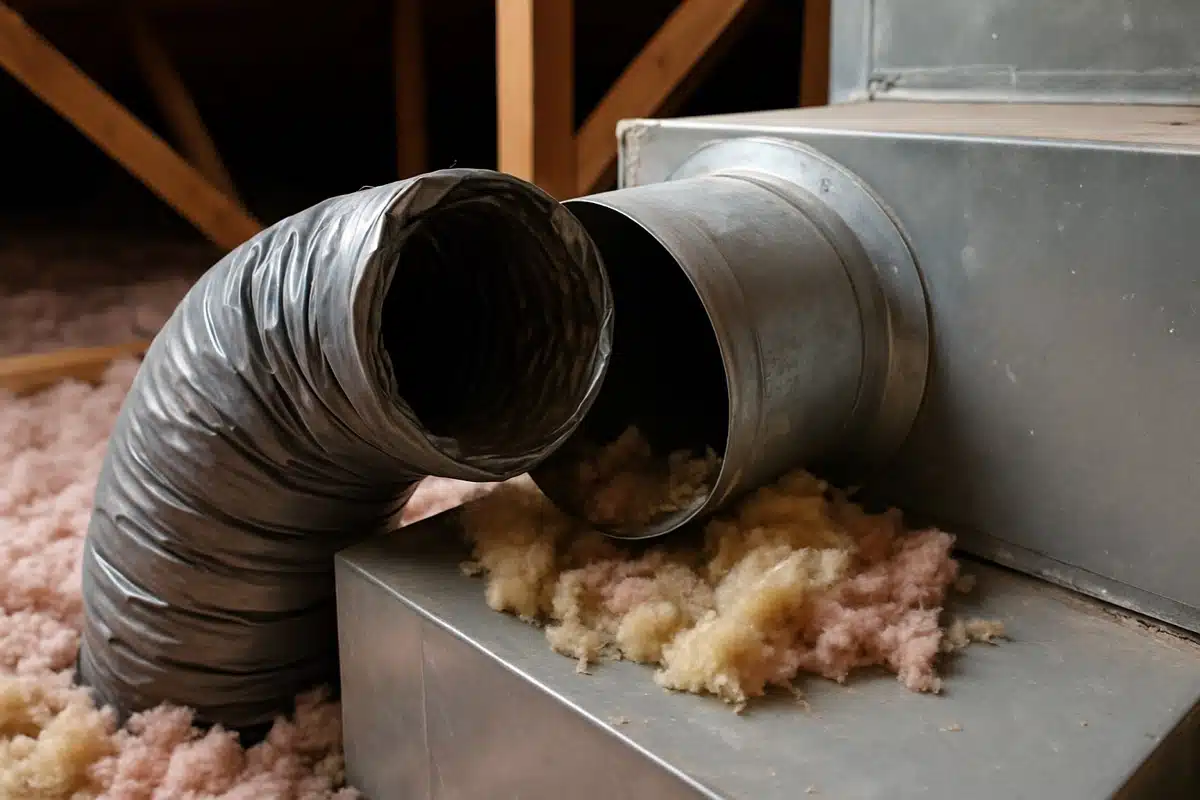
A duct system is essentially a network of sealed channels carrying cold air from your air handler to each room. In a typical Florida home, much of that network runs through an unconditioned attic where summer temperatures can exceed 130 degrees. Every gap at a joint, every cracked connection, and every loose seam lets cooled air bleed out into that superheated space. The U.S. Department of Energy estimates that a home with significant duct leakage can lose roughly 20 to 30 percent of the air moving through the system before it reaches the registers.
According to ENERGY STAR, duct losses can account for 20 to 30 percent of the air a system moves, so even modest leaks add up quickly on a Florida cooling bill.
That lost air has a direct dollar cost. Your air conditioner doesn’t know the air escaped; it only knows the thermostat hasn’t reached its target, so it keeps running. Longer run times mean more electricity, and in our climate the cooling season barely pauses. We also see the reverse problem: leaks on the return side pull hot attic air, dust, and humidity back into the system, forcing the unit to work even harder to dry and cool air it never should have been handling. The result is a power bill that creeps upward while comfort stays flat or declines. When homeowners ask us why their bill jumped without any change in habits, sealed-but-leaking ducts are one of the first things our team investigates during a professional ductwork evaluation.
The Florida Factors That Make Duct Leaks Worse
Need help with AC & heating?
Inlet Mechanical’s licensed techs serve Brevard & Indian River with fast, dependable service and free estimates.
Ductwork ages differently in our part of the state than it does in milder regions. The constant temperature swing between a 130-degree attic and the cold air rushing through the ducts causes materials to expand and contract daily. Over years, that movement loosens mastic, dries out tape, and pulls flex connections apart. Homes within about five miles of the Atlantic coast face an added challenge: salt-laden air accelerates corrosion on metal collars and fasteners, opening new gaps over time.
Humidity compounds the problem. When warm, moisture-heavy attic air gets pulled into leaky returns, it raises the latent load on your system, meaning the air conditioner spends more energy wringing water out of the air instead of lowering the temperature. In Palm Bay, Melbourne, and Rockledge homes, we often find ducts that were properly installed years ago but have degraded under these conditions. Rodents and storm-season attic activity can dislodge sections, too. Because hurricane season runs from June 1 through November 30, attic disruptions from roof work or wind-driven debris are common right when cooling demand peaks. All of these regional pressures mean a duct system that performs well in a dry, temperate climate can quietly fail here, and the homeowner sees it first on the power bill rather than in obvious discomfort.
Signs Your Ductwork Is Costing You Money
You don’t need specialized tools to notice the early warning signs of duct leakage, though a measured test confirms it. The most common clue is rooms that never reach a comfortable temperature no matter how low you set the thermostat. If your back bedroom stays warm while the hallway feels fine, air may be escaping before it reaches that room. A sudden jump in your electric bill that doesn’t track with a heat wave or a rate change is another signal worth investigating.
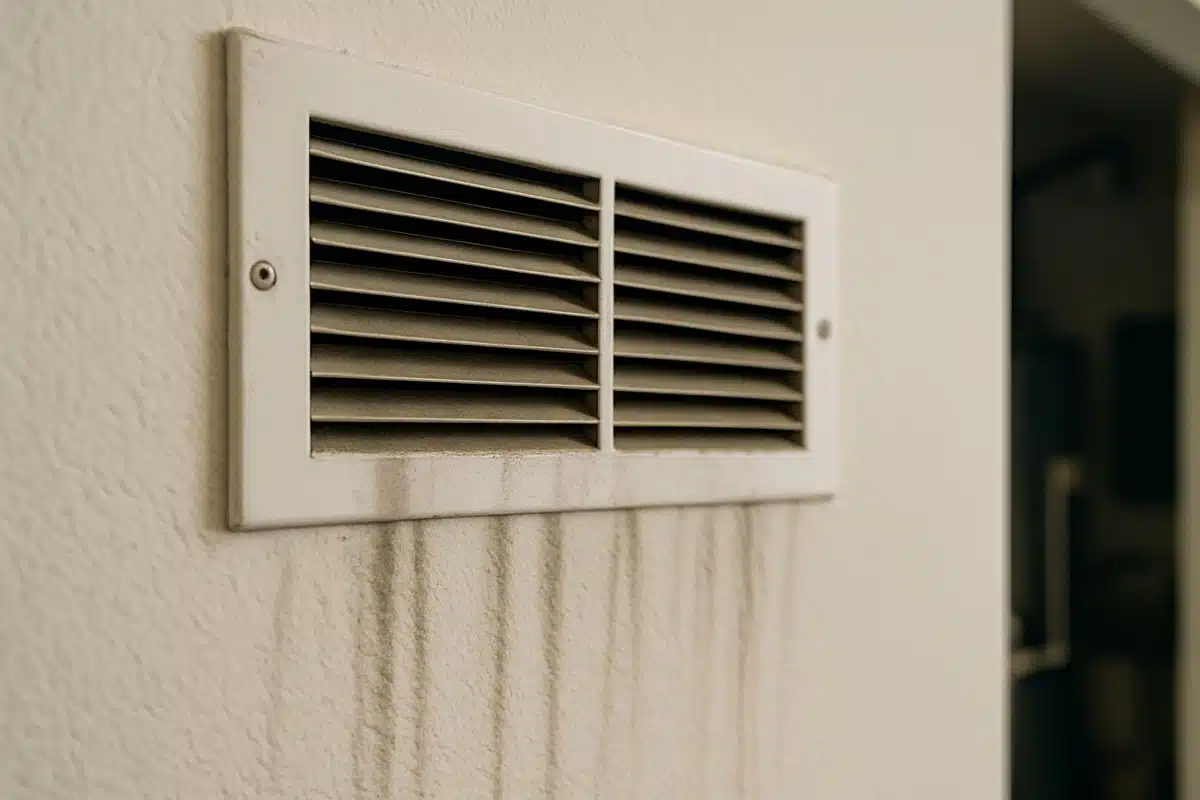
Other telltale signs include excessive dust settling on surfaces shortly after cleaning, which often means return leaks are drawing attic debris into the airstream, and a musty or stuffy quality to the indoor air during our humid months. You might also notice the air handler running for long, uninterrupted stretches. Here are patterns our team watches for:
- Uneven temperatures between rooms on the same floor
- A steadily rising power bill with no change in usage habits
- Visible dust streaks near supply registers
- Higher-than-usual indoor humidity even when the system runs constantly
- Whistling or rushing sounds near duct connections in the attic
None of these symptoms confirm leakage on their own, but together they build a strong case. The reliable way to know is a duct pressure test, which measures exactly how much air the system loses. From there, our residential HVAC team can pinpoint where the losses occur and what sealing approach fits your home.
How Sealing Ducts Lowers the Bill You’re Watching
Sealing duct leaks addresses the leaky air ducts florida power bill problem at its source by keeping conditioned air inside the system where it belongs. The process starts with measurement rather than guesswork. A technician pressurizes the duct system and quantifies the leakage rate, then locates the specific joints, seams, and connections responsible. Sealing typically involves applying mastic to joints, replacing failed flex connections, and securing collars and boots at the registers and returns.
The payoff is straightforward. When less air escapes into the attic, more of it reaches your rooms, so the system satisfies the thermostat faster and shuts off sooner. Shorter run times translate directly into lower electricity use, and according to ENERGY STAR, sealing and insulating ducts can noticeably improve a system’s efficiency and comfort. In our climate, that efficiency gain shows up across the long cooling season, not just on the hottest days. Sealed returns also stop pulling humid attic air, which eases the moisture load and helps the home feel cooler at the same thermostat setting. Beyond the monthly savings, tighter ducts reduce strain on the air handler, which can extend its working life. For Brevard County homeowners watching every line of the power bill, addressing leakage is one of the more measurable improvements available, and it pairs well with insulation and airflow balancing for a system that performs reliably through the demanding Space Coast summer.
What to Expect From a Professional Duct Assessment
A thorough duct assessment goes beyond a quick visual check. Our team inspects accessible duct runs, examines connections at the air handler, and uses pressure testing to measure actual leakage rather than estimating it. We look at how the ducts are routed, whether sections have come apart, and how the insulation around them is holding up in the attic heat. Because Florida attics are punishing environments, we also note any corrosion, rodent damage, or storm-related disruption that could explain sudden changes in performance.
From that inspection we explain what we found in plain terms: where the air is going, how much is being lost, and which repairs will make the biggest difference. Some homes need targeted sealing at a few failed joints; others benefit from replacing aged flex runs or rebalancing airflow so each room gets its fair share. We walk you through the options factually so you can decide what fits your home and budget without pressure. After any sealing work, a follow-up pressure test confirms the improvement so you can see the change in measurable terms. Homeowners across Palm Bay, Viera, Titusville, and Satellite Beach rely on this approach because it ties the work directly to results rather than promises. If you suspect your ductwork is driving up your cooling costs, a professional ductwork service visit gives you clear answers and a path forward.
Frequently Asked Questions
How much can duct leakage really add to my power bill?
Losses vary by home, but a system leaking 20 to 30 percent of its conditioned air wastes a substantial portion of the energy it consumes. In our long Florida cooling season, that lost air forces the system to run far more than necessary, which shows up as higher monthly electricity costs. A duct pressure test measures your specific leakage so you can understand the actual impact rather than guessing.
Why do ducts in Florida homes leak more often?
Our attics swing between extreme heat and the cold air inside the ducts every day, causing materials to expand, contract, and eventually loosen. Coastal salt air near the Atlantic accelerates corrosion on metal connectors, and hurricane-season attic activity can dislodge sections. These regional pressures wear down duct systems faster than they would in milder, drier climates.
Can I seal duct leaks myself with tape?
Common cloth duct tape tends to dry out and fail quickly in attic heat, so it rarely provides a lasting fix. Many leaks also occur at joints and connections that are difficult to reach safely. A professional uses mastic and proper connectors at the points a pressure test identifies, which gives a durable seal and lets you verify the improvement with a follow-up measurement.
How do I know if my high bill is ducts or the air conditioner itself?
Both can raise costs, which is why our team looks at the whole system. Uneven room temperatures, dust near registers, and long run times often point to duct losses, while short cycling or warm output may indicate equipment issues. A combined inspection and duct pressure test separates the two so repairs target the real cause rather than a symptom.
If your cooling costs have climbed without a clear reason, our team at Inlet Mechanical can measure your duct system and show you exactly where conditioned air is being lost. Reach us at (321) 723-0858 to schedule an assessment, or learn more about our approach on our ductwork services page. We serve homeowners throughout Brevard County and the Space Coast with straightforward, factual guidance built around what your home actually needs.
Talk to a Licensed Inlet Mechanical Pro
Whether it’s a repair, an upgrade, or a question, our team is ready to help homeowners and businesses across Brevard & Indian River County.
Licensed FL Mechanical (CMC1250858) · 85+ years combined experience · Free, no-obligation estimates
Written & Reviewed By
Inlet Mechanical Team
The Inlet Mechanical team brings over 85 years of combined experience in HVAC, plumbing, and mechanical construction across Florida. Our licensed professionals hold Florida Mechanical HVAC License (CMC1250858) and Florida Plumbing License (CFC1433105), along with EPA Section 608 certifications. Based in Brevard County, we serve residential, commercial, and industrial clients with expert knowledge of Florida building codes, climate-specific HVAC solutions, and local plumbing requirements. Every article is reviewed by our licensed technicians to ensure accuracy and practical value for Melbourne-area homeowners and businesses.
Last Updated: July 28, 2026