
If you own a home in Palm Bay built between the 1960s and the 1990s, there’s a good chance the plumbing behind your walls and under your slab is original. We see beautiful, well-kept houses every week that are quietly held back by pipe materials no plumber would install today. The fixtures get updated and the kitchens get remodeled, but the supply and drain lines stay exactly as they were when the home was framed. Eventually those aging pipes start sending signals, and that’s usually when our neighbors call us.
We’re a licensed plumbing team right here on the Space Coast, and a large share of our work involves older home plumbing upgrades Palm Bay families have put off for years. Let’s walk through what’s likely in your walls, the warning signs worth watching, and what a repipe to copper or PEX actually does for you.
The aging pipe materials still common in Palm Bay homes
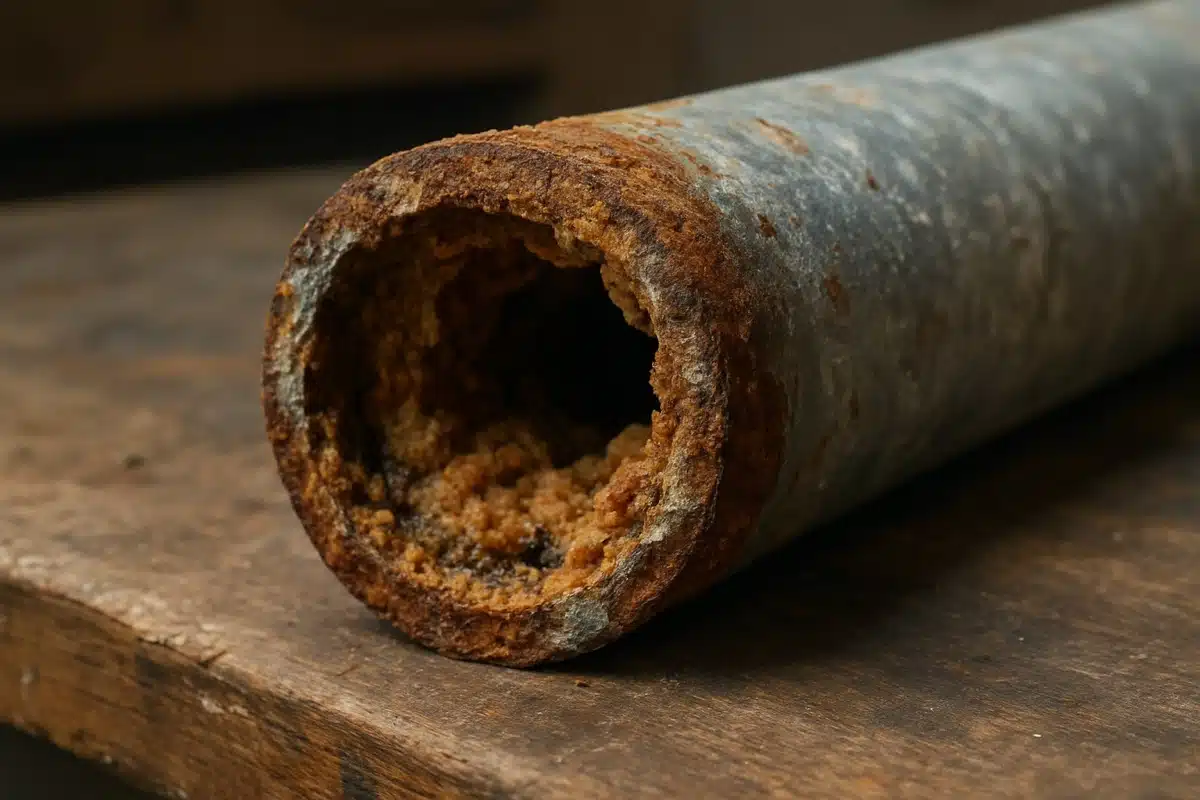
Brevard County’s housing stock spans several plumbing eras, and each one left a distinct material behind the drywall. When we open up an older home, we usually find one of three culprits, sometimes a mix of all three after decades of partial repairs. Knowing which material you have is the starting point for any plumbing upgrade.
Galvanized steel supply lines
Galvanized steel was the standard for water supply in many homes built through the 1960s. It’s zinc-coated steel, and the problem is what happens inside. Over decades the zinc wears away and the steel rusts from within, narrowing the pipe with mineral and corrosion buildup. Our hard, mineral-rich Florida water speeds that up considerably, so the pipe can look fine from outside while the opening has shrunk to the diameter of a coffee stirrer.
Polybutylene
If your home went up between the late 1970s and mid-1990s, polybutylene is a real possibility. This gray plastic piping was installed in millions of homes during that window because it was cheap and easy to run. The trouble is that it reacts poorly with the chlorine and oxidants in municipal water, becoming brittle and prone to failure over time. The U.S. Consumer Product Safety Commission and HUD have both documented the failure history of polybutylene plumbing (see the CPSC advisory). When we spot that telltale gray pipe with crimped fittings, we recommend planning a full replacement rather than chasing individual leaks.
Cast-iron drains
The drain side ages too. Many older Palm Bay homes have cast-iron drain and waste lines. Cast iron is durable, but after fifty or sixty years it corrodes, scales over, and can crack or develop bellies that trap waste. Slab-on-grade construction, the norm here, means much of that drain line runs through or beneath the concrete slab, where problems are hard to spot until they get serious.
Warning signs you may need a repipe
Need help with plumbing?
Inlet Mechanical’s licensed techs serve Brevard & Indian River with fast, dependable service and free estimates.
Pipes rarely fail without warning. Most homeowners we help noticed something off well before they called. If two or three of these sound familiar, it’s worth a look before a small issue becomes a flooded room.
- Low or fading water pressure, especially when more than one fixture runs at once. A steady decline across the whole house usually points to corrosion narrowing the supply lines, not a single clog.
- Discolored, rusty, or brownish water, particularly first thing in the morning or after the home has sat unused. That tint is corrosion shedding from inside galvanized steel.
- Recurring leaks at joints and fittings. One leak is a repair; the third or fourth in a year is the pipe telling you the whole system is tired.
- A metallic taste, or staining in sinks, tubs, and toilets that cleaning never fully resolves.
- Signs of a slab leak: warm spots on the floor, running-water sounds when everything is off, an unexplained jump in your water bill, or moisture along the foundation.
Slab leaks deserve special attention because so many homes here sit on a concrete slab. A supply line that fails under the slab can soak the foundation and surrounding soil for weeks before it surfaces. We use targeted leak-location methods to pinpoint the source rather than tearing up flooring on a guess, and that work often shows whether you have a single failure or a system ready for replacement.
What a repipe to copper or PEX actually involves
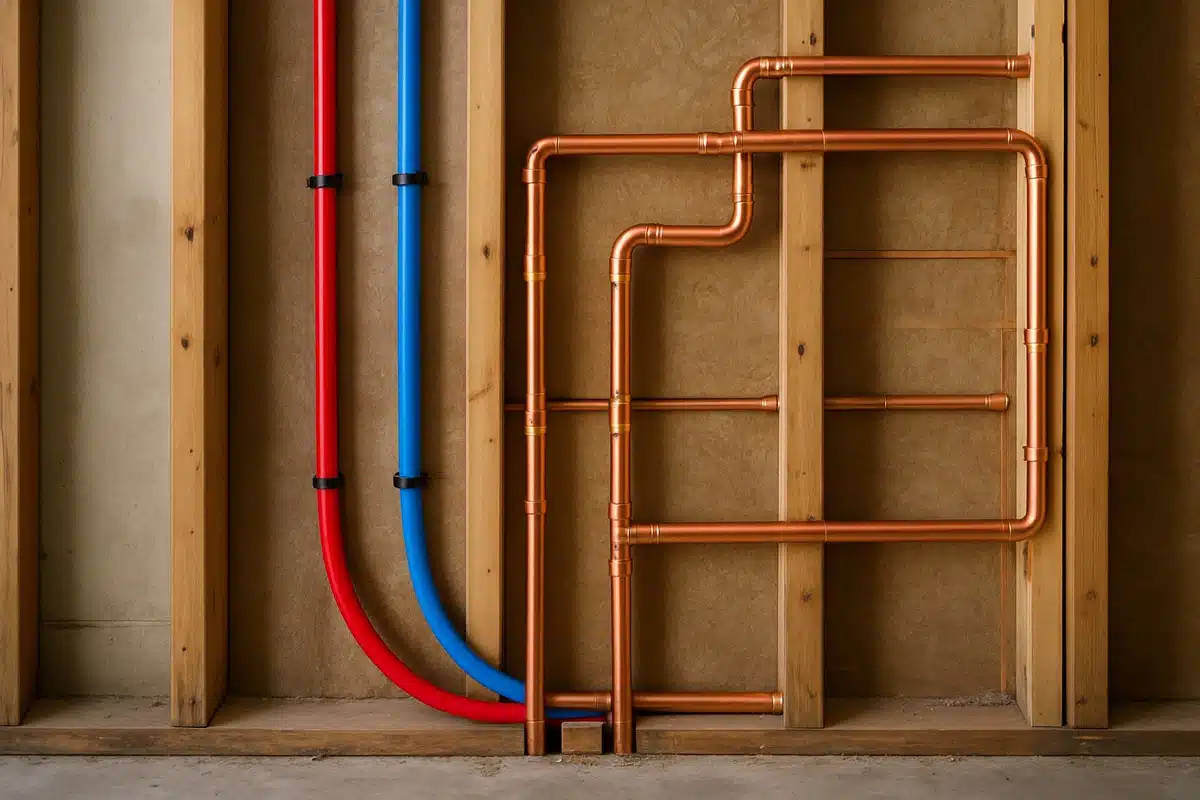
When the evidence points to aging pipe rather than an isolated problem, a repipe is the honest fix. Repiping replaces the worn supply lines throughout the home with modern material, almost always copper or PEX. Both are far better suited to Palm Bay conditions than what they replace.
Copper has a long, proven track record. It resists corrosion well, handles heat without trouble, and is naturally resistant to bacterial growth. PEX is a flexible cross-linked polyethylene tubing that has become the go-to in many Florida homes. It runs in long continuous lengths with fewer joints, meaning fewer potential leak points, and it shrugs off the mineral scaling that destroys galvanized steel without becoming brittle the way polybutylene does.
A typical whole-home repipe is less disruptive than most people fear. We map the runs, open small access points in walls and ceilings, install the new lines, pressure-test the system, and patch the access points. Most of the home stays usable throughout, and water is only off for short stretches while we make connections. Because we’re licensed and pull permits, the finished work is inspected and brought up to current code, which matters if you ever sell.
Why modernizing pays off on the Space Coast
Beyond stopping leaks, older home plumbing upgrades in Palm Bay change how your home lives every day. The benefits stack up quickly once the old material is gone.
- Restored, consistent water pressure at every fixture, as the new lines carry full flow instead of a corrosion-choked trickle.
- Clean, clear water with no rust tint and no metallic taste, since the source of the discoloration is gone.
- Far fewer emergency calls, ending the cycle of patching one leak only to find the next one weeks later.
- Lower risk of a hidden slab or in-wall leak that drives up water bills and damages floors and drywall.
- Stronger resale standing. Buyers and inspectors in Brevard County know what polybutylene and old galvanized steel mean, and modern plumbing removes a common sticking point.
It’s also worth thinking about water efficiency while the walls are open. Pairing a repipe with efficient fixtures is a smart move, and the EPA’s WaterSense program is a helpful, independent reference for products that cut water use without sacrificing performance.
Frequently Asked Questions
How do I know if my Palm Bay home has polybutylene pipes?
Polybutylene is usually a dull gray (sometimes blue or black) flexible plastic, often joined with crimped metal or plastic fittings. You’ll most often spot it at the water heater, near the main shutoff, or where pipes enter the wall. If your home was built between the late 1970s and mid-1990s, it’s worth checking, and we’re happy to identify your pipe material during a visit and tell you plainly what we find.
How long does a whole-home repipe take?
For a typical single-family Palm Bay home, a full repipe usually takes a few days, depending on the size of the house, the number of bathrooms, and how the lines are routed. Water is only shut off for short periods while we make connections, so most families stay home throughout. We’ll give you a clear timeline for your specific layout before any work begins.
Is copper or PEX better for a Florida home?
Both perform well here, and the right choice depends on your home and priorities. Copper is time-tested and rigid; PEX is flexible, installs with fewer joints, and resists the mineral scaling our hard water causes. Many of the older home plumbing upgrades Palm Bay homeowners ask us about use PEX for the supply lines, but we’ll walk you through the trade-offs rather than pushing one option.
If your home is showing any of these signs, or you simply want to know what’s behind your walls before something fails, we’re glad to help. Call us at (321) 723-0858 or reach out through our contact page to schedule a visit. You can also learn more about our work as your local plumber in Palm Bay, FL, or start with one of our residential plumbing inspections and diagnostics so you know where you stand before planning an upgrade.
Talk to a Licensed Inlet Mechanical Pro
Whether it’s a repair, an upgrade, or a question, our team is ready to help homeowners and businesses across Brevard & Indian River County.
Licensed FL Mechanical (CMC1250858) · 85+ years combined experience · Free, no-obligation estimates
Written & Reviewed By
Inlet Mechanical Team
The Inlet Mechanical team brings over 85 years of combined experience in HVAC, plumbing, and mechanical construction across Florida. Our licensed professionals hold Florida Mechanical HVAC License (CMC1250858) and Florida Plumbing License (CFC1433105), along with EPA Section 608 certifications. Based in Brevard County, we serve residential, commercial, and industrial clients with expert knowledge of Florida building codes, climate-specific HVAC solutions, and local plumbing requirements. Every article is reviewed by our licensed technicians to ensure accuracy and practical value for Melbourne-area homeowners and businesses.
Last Updated: June 20, 2026