
Living on the Space Coast comes with a short list of plumbing realities every homeowner here eventually learns. Brevard County sits on sandy, slab-on-grade ground, our water carries a heavy mineral load, the humidity rarely lets up, and hurricane season tests every system in the house. The good news is that most of the calls we run could have been avoided with a little routine attention. Our team at Inlet Mechanical has spent years inside Palm Bay, Melbourne, Cocoa, and Rockledge homes, and we keep seeing the same small issues turn into expensive failures.
So we put together a practical, no-jargon look at preventing plumbing problems in Palm Bay before they start. Think of it as the maintenance routine we would set up in our own homes. None of it requires special tools, and each habit buys you fewer surprise leaks.
Start With Water Pressure and Hard Water
Two things quietly wear down plumbing across Brevard County: pressure that runs too high and the mineral content in our local water. High water pressure feels great in the shower, but it stresses every joint, valve, and appliance hose, shortening the life of water heaters, washing machine fittings, and supply lines under sinks.
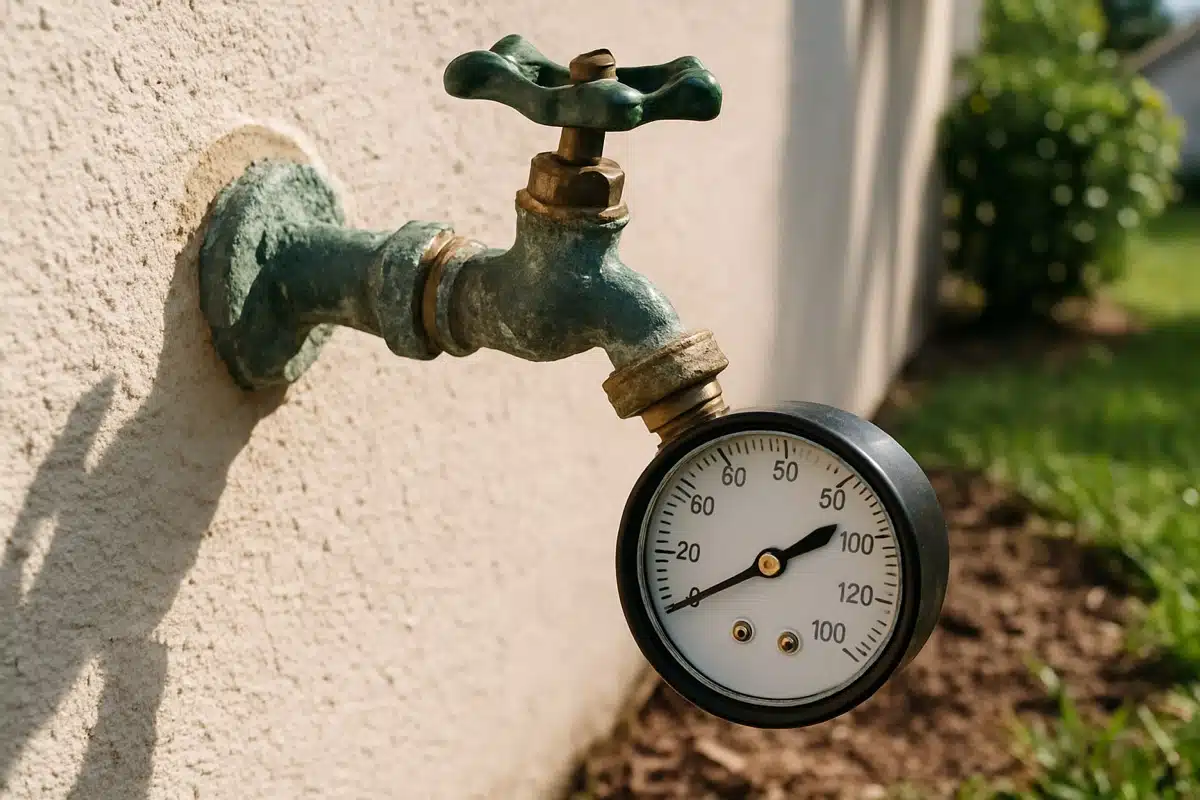
Test your pressure with an inexpensive gauge that threads onto an outdoor spigot. Most homes are comfortable in the 50 to 70 psi range. If you read higher, a pressure-reducing valve protects the whole system and is one of the better-value upgrades we offer.
The second factor is hard water. Florida groundwater is rich in calcium and magnesium, and that mineral load builds up as scale inside pipes, faucet aerators, and especially water heaters. A few signs hard water is working against you:
- Chalky buildup around faucets and drains that returns after cleaning
- Reduced flow from showerheads and aerators as openings clog
- Soap and detergent that never lather well
- A water heater that runs noisier or less efficiently than it used to
A water softener or conditioner is the long-term answer for many Palm Bay households, but even without one, cleaning aerators regularly and flushing the water heater yearly goes a long way toward keeping things flowing.
Catch Leaks Early With Simple Detection Habits
Need help with plumbing?
Inlet Mechanical’s licensed techs serve Brevard & Indian River with fast, dependable service and free estimates.
Slab-on-grade construction is the norm here, which means the main water line often runs beneath the concrete. A leak under the slab can run for weeks before anyone notices, driving up the water bill and possibly affecting the foundation. Catching leaks early is one of the highest-payoff parts of preventing plumbing problems in Palm Bay, and it costs nothing but a few minutes of attention.
Here is the routine we suggest to homeowners:
- Read your water meter, avoid using any water for an hour or two, then read it again. Movement with everything off signals a hidden leak.
- Check under every sink, behind toilets, and around the water heater for dampness, staining, or a musty smell.
- Listen for a toilet that hisses or refills on its own; a worn flapper wastes water silently.
- Watch for warm spots on the floor or an unexplained jump in your bill, both classic signs of a slab leak.
In our humid climate, even a small drip invites mold and rot quickly, so it pays to act on the first sign. When something looks off and you would rather have a professional eye on it, our team handles leak diagnosis throughout the area as your local plumber in Palm Bay, FL.
Take Care of Your Drains the Right Way
Clogged drains are the most common service call we run, and the vast majority are avoidable. The trouble builds slowly: grease cooling and hardening in the kitchen line, hair and soap scum collecting in bathroom drains, and so-called flushable wipes that never truly break down. Once a blockage forms in a slab home, clearing it is more involved than with accessible pipes.
Kitchen drains
Keep cooking grease and oil out of the sink entirely. Pour it into a can to cool and toss it in the trash. Run plenty of cold water while the disposal works, and avoid sending fibrous scraps and coffee grounds down it.
Bathroom drains
A simple drain screen catches hair before it reaches the trap, which prevents most slow-draining showers and sinks. Flush only toilet paper, and skip the wipes regardless of what the package promises. An occasional flush of hot water helps keep lines clear, while harsh chemical drain openers are worth avoiding since they can corrode older pipes and trap fittings.
Flush the Water Heater and Find Your Main Shutoff
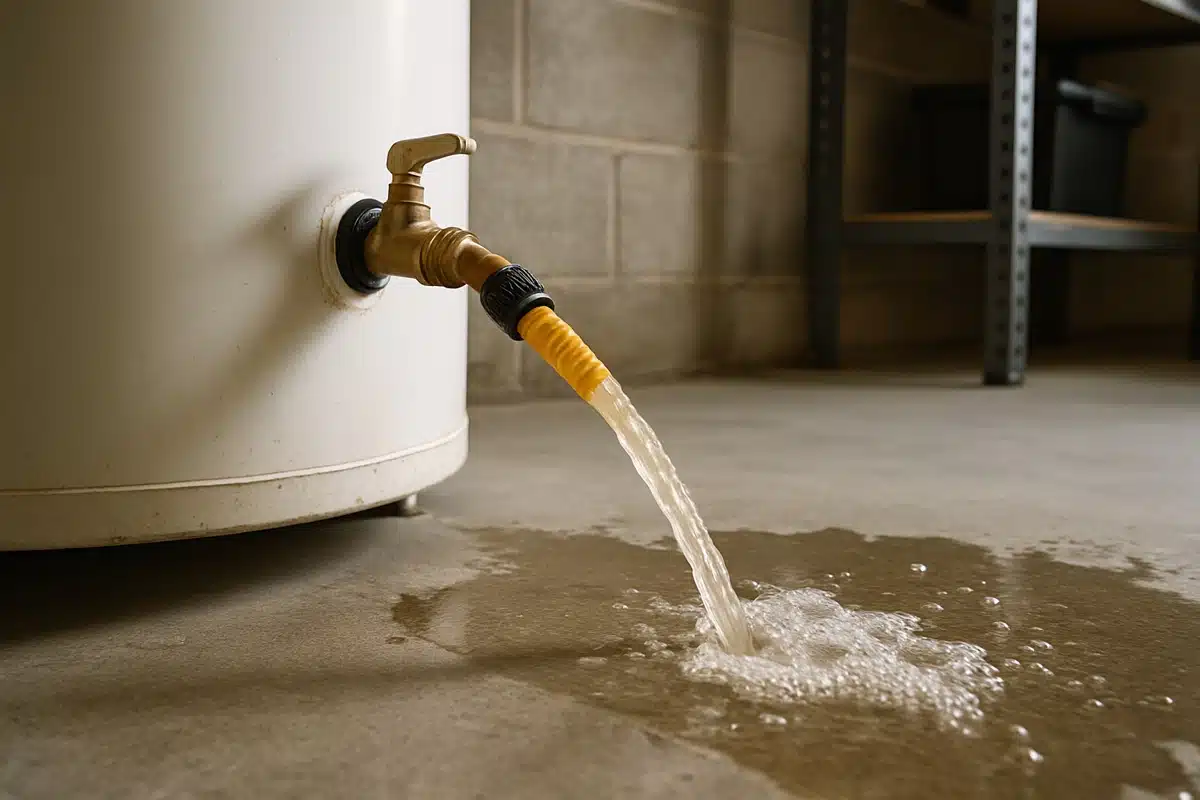
Your water heater works hard in our climate, and Florida’s mineral-heavy water means sediment settles at the bottom of the tank faster than in many other regions. That layer makes the heater work harder, raises energy use, and shortens its lifespan. Draining and flushing the tank about once a year clears the buildup. If your heater sits in a garage or utility closet, it takes little more than attaching a hose to the drain valve and letting it run until the water comes out clear. If you would rather not, it is a quick job for us.
Just as important is knowing where your main water shutoff is before you ever need it. When a supply line bursts, the difference between a quick towel-up and a flooded floor is how fast you can stop the water. Take a few minutes to:
- Locate your main shutoff valve, usually where the water line enters the home or at the meter box near the street
- Make sure the valve actually turns; older gate valves can seize and may need replacing
- Show everyone in the household where it is and how to close it
- Identify the shutoffs under sinks and behind toilets so you can isolate one fixture without cutting water to the whole house
For households that want a thorough baseline before issues arise, our residential plumbing inspection and diagnostic services in Palm Bay, FL give you a clear picture of pipe condition, fixture health, and any quiet problems worth catching early.
Seasonal and Hurricane-Season Checks
We may not worry about freezing pipes the way northern homeowners do, but the Space Coast has its own seasonal rhythm, and hurricane season is the big one. When a major storm is in the forecast, a little preparation protects both your plumbing and your water supply. We suggest filling clean containers or a bathtub in case service is interrupted, and knowing how to shut off your main line quickly if you need to leave. Outdoor fixtures, hose bibs, and exposed lines are worth a quick check for cracks or loose fittings that wind and debris could worsen.
Salt air is the other year-round factor on our coast. The breezes that make Brevard County so pleasant carry salt that accelerates corrosion on outdoor faucets, fittings, and metal fixtures. Rinsing outdoor hardware now and then and watching for rust helps these components last. The U.S. EPA’s WaterSense program is also a solid, independent resource if you are weighing efficient fixtures that cut both water use and the strain on your system.
None of these checks take long, and together they form the core of preventing plumbing problems in Palm Bay year after year. A house that gets routine attention rarely surprises its owner.
Frequently Asked Questions
How often should I have my plumbing inspected in Palm Bay?
For most homes here, a professional inspection every couple of years is a reasonable rhythm, with a closer look if your house is older or has not been checked since you moved in. Because so much of our plumbing runs beneath concrete, a periodic inspection catches quiet issues like slow slab leaks and corroding fittings well before they become emergencies.
Is hard water really a problem in Brevard County?
Yes. Our groundwater carries a heavy mineral load, and that scale builds up inside pipes, fixtures, and water heaters over time. You will see it as chalky deposits and weaker flow. Flushing your water heater yearly, cleaning aerators, and considering a water softener all help reduce the wear.
What should I do first if a pipe bursts?
Shut off the water immediately, which is exactly why we encourage every household to locate and test the main shutoff valve ahead of time. Close that valve, shut off the water heater if the burst is on a hot line, move belongings clear, and call us. Stopping the flow fast is what keeps a manageable repair from turning into major water damage.
Whether you want a hand setting up a maintenance routine, a water heater flush, or a full inspection before something goes wrong, our team at Inlet Mechanical is here for neighbors across Palm Bay, Melbourne, Cocoa, and Rockledge. Call us at (321) 723-0858 or reach out through our contact page and we will get you on the schedule.
Talk to a Licensed Inlet Mechanical Pro
Whether it’s a repair, an upgrade, or a question, our team is ready to help homeowners and businesses across Brevard & Indian River County.
Licensed FL Mechanical (CMC1250858) · 85+ years combined experience · Free, no-obligation estimates
Written & Reviewed By
Inlet Mechanical Team
The Inlet Mechanical team brings over 85 years of combined experience in HVAC, plumbing, and mechanical construction across Florida. Our licensed professionals hold Florida Mechanical HVAC License (CMC1250858) and Florida Plumbing License (CFC1433105), along with EPA Section 608 certifications. Based in Brevard County, we serve residential, commercial, and industrial clients with expert knowledge of Florida building codes, climate-specific HVAC solutions, and local plumbing requirements. Every article is reviewed by our licensed technicians to ensure accuracy and practical value for Melbourne-area homeowners and businesses.
Last Updated: June 20, 2026