
Florida’s subtropical climate demands an efficient and reliable cooling solution year-round. Homeowners in Palm Bay often face the decision between installing a central air conditioning system or opting for a modern heat pump. Both systems offer unique advantages and understanding their differences can help you make an informed investment in the comfort of your home.
In this comprehensive guide, we’ll explore how central air and heat pumps operate, their suitability for Brevard County’s climate, cost considerations, and maintenance needs. Whether you’re considering a new installation or replacing an outdated system, this comparison will clarify which solution best fits your household needs.
Central Air Conditioning Systems: Features and Benefits
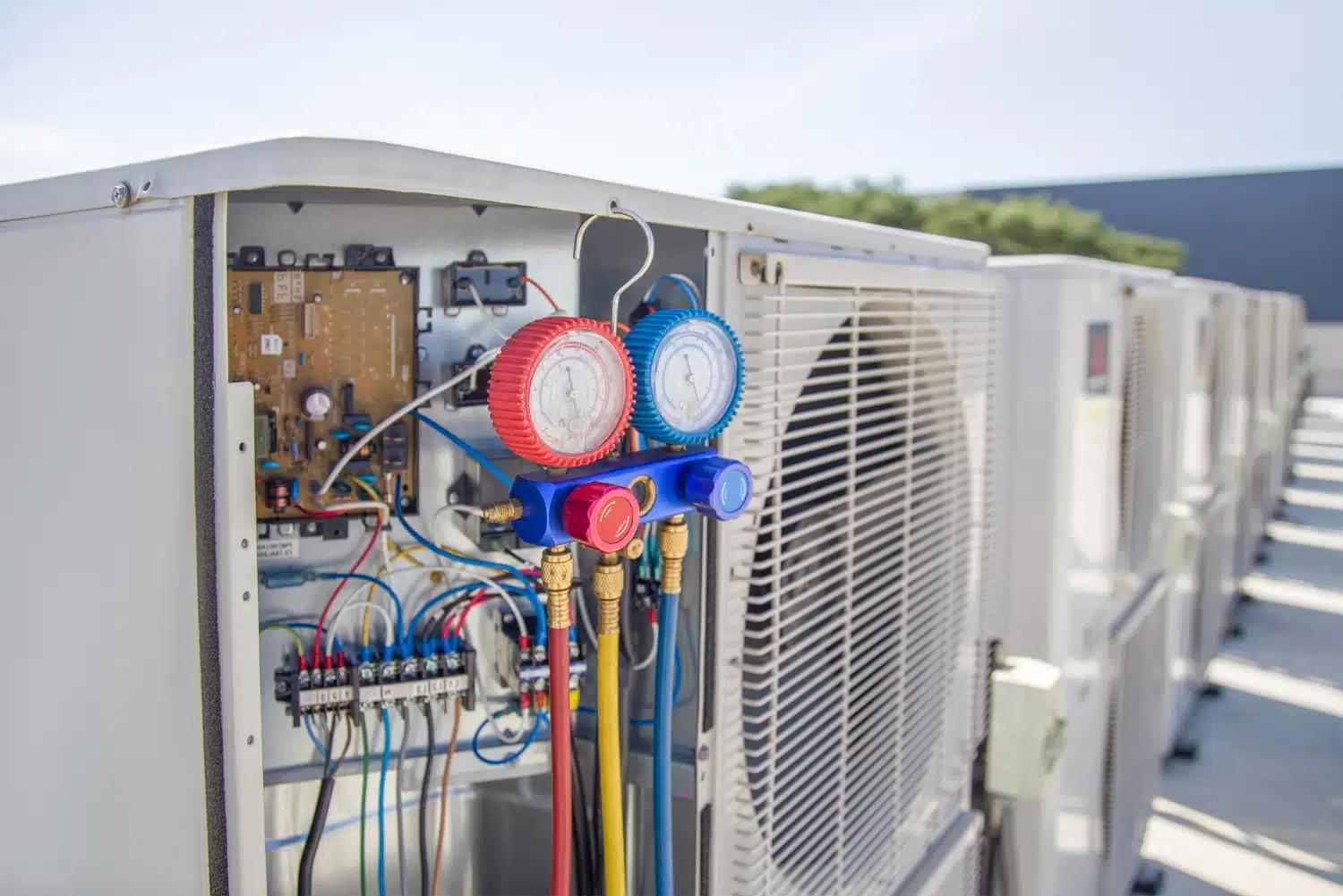
Central air conditioning has long been the standard for residential cooling in the Palm Bay area. These systems utilize an outdoor compressor and an indoor air handler connected by ductwork to evenly distribute cooled air throughout your home. Central AC units are known for their robust performance, especially in larger homes where consistent cooling is critical.
One key benefit of central AC is its ability to maintain a steady temperature across multiple rooms. With proper sizing and installation by professionals, such as those at Inlet Mechanical, you can count on efficient cooling even during the hottest summer months. Central air systems also offer compatibility with advanced air filtration technologies, enhancing indoor air quality.
For homeowners considering a new installation, exploring the estimated upfront and ongoing costs is essential. The HVAC cost calculator on our site can help provide a realistic budget estimate.
Heat Pumps for Palm Bay: Efficiency and Versatility
Heat pumps have gained popularity across Florida due to their dual heating and cooling capabilities. Unlike traditional air conditioners, heat pumps transfer heat both into and out of your home, making them suitable for year-round climate control. In Palm Bay’s mild winters, a heat pump can efficiently provide warmth without the high energy use seen in electric resistance heaters.
Modern heat pump systems are engineered for high efficiency, often resulting in lower monthly utility bills compared to older central AC units. According to the U.S. Department of Energy, heat pumps can reduce electricity use for heating by approximately 50% compared to conventional heating systems.
However, heat pumps may require supplementary heating during rare cold snaps. For most of the year in Palm Bay, they deliver reliable performance with minimal maintenance. Learn about professional installation and maintenance through our residential HVAC services page.
central air conditioning vs heat pump palm bay: Suitability for Local Homes
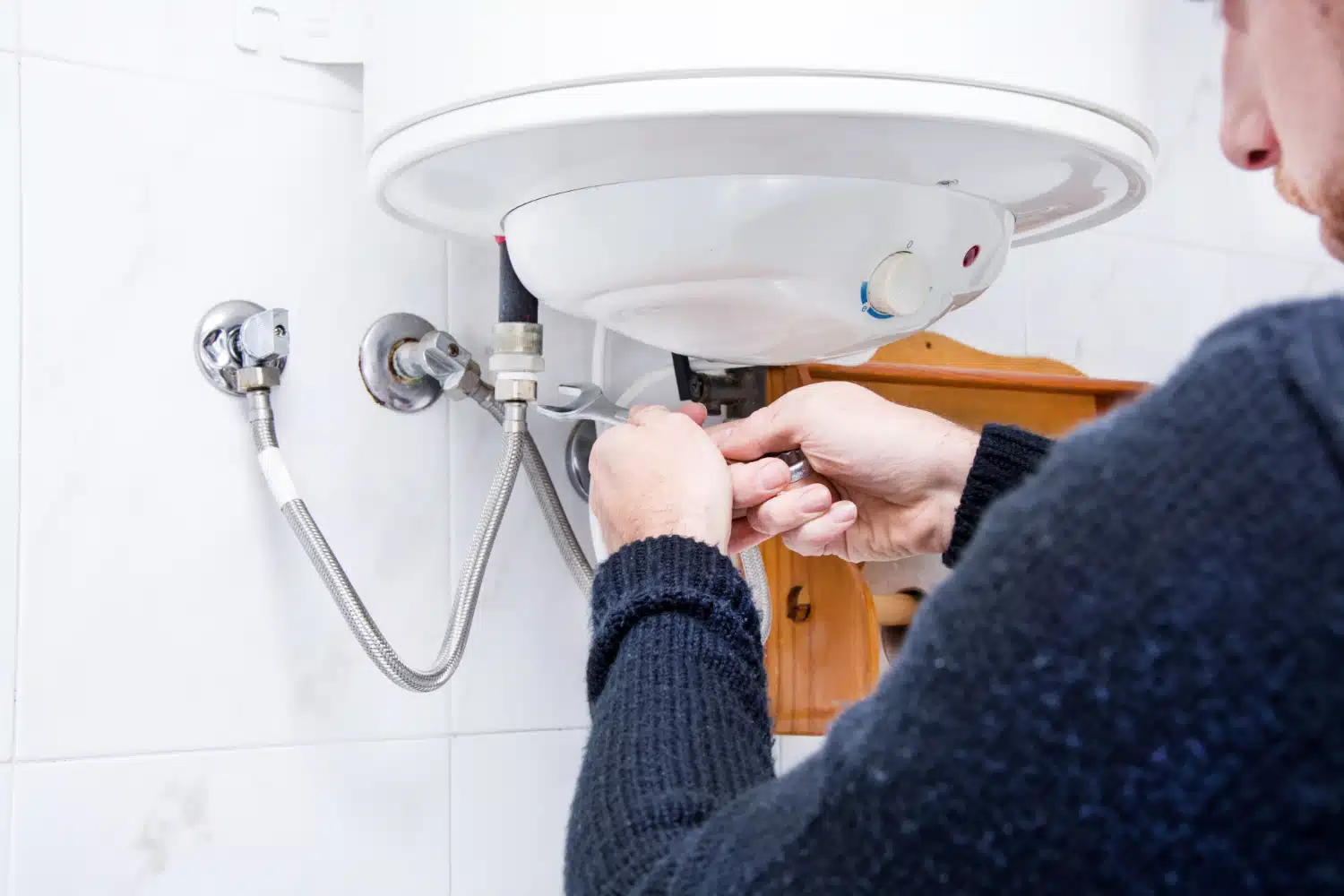
Choosing between central air conditioning and a heat pump depends on several factors unique to your property and lifestyle. Central air is ideal for homeowners seeking powerful cooling in larger homes and those interested in advanced air purification. With regular maintenance, central AC systems can offer long-term reliability.
Heat pumps, on the other hand, appeal to those prioritizing energy efficiency and year-round climate control. For smaller to mid-sized homes, a heat pump can provide both heating and cooling with fewer components and potentially lower operating costs.
It is important to consider your home’s existing ductwork, insulation, and energy goals. Consulting with Palm Bay HVAC specialists ensures your system is tailored for maximum comfort and efficiency.
Cost, Maintenance, and Longevity Considerations
Initial installation costs can vary significantly between central air and heat pump systems. Central AC units often have a lower upfront cost but may require a separate heating system if you need winter warmth. Heat pumps tend to have a higher purchase price but offset this with reduced energy consumption over time.
Maintenance needs are similar for both systems—regular filter changes, annual inspections, and periodic duct cleaning are recommended. However, because heat pumps function all year, they may experience more wear and require more frequent servicing. For detailed maintenance guidance, the ENERGY STAR Heat Pump Guide offers valuable tips.
Lifespan for both technologies is typically 10-15 years with routine care. Budgeting for eventual replacement is made easier with the help of our HVAC cost calculator.
Final planning note: If central air conditioning vs heat pump palm bay is the issue you are trying to solve, use the guidance above to compare symptoms, timing, and service options before you schedule help for your Palm Bay or Brevard County property.
Frequently Asked Questions
Which system is more energy efficient for Palm Bay homes?
Heat pumps generally provide greater energy efficiency, especially in regions with mild winters like Palm Bay. They can deliver both cooling and heating using less electricity compared to separate central AC and heating systems. However, the efficiency of either system depends on correct sizing and professional installation.
Can I install a heat pump if my home already has central air?
Yes, many Palm Bay homes can upgrade from central AC to a heat pump, particularly if the existing ductwork is in good condition. An HVAC expert from Inlet Mechanical can assess compatibility and recommend the best solution for your home.
What maintenance is required for both systems?
Both central air and heat pumps require regular filter replacement, annual system inspections, and occasional duct cleaning. Because heat pumps operate year-round, check-ups before both cooling and heating seasons are advised. Keeping up with routine maintenance extends system lifespan and preserves energy efficiency.
Ready to discuss your home’s cooling and heating options? Contact Inlet Mechanical at (321) 723-0858 or use our online form to schedule a professional consultation. Our team is committed to helping Palm Bay homeowners choose the best comfort solution for their needs.