
A washing machine drain overflow can turn laundry day into a plumbing emergency. Water backing up from the drain line, pooling around the base of the machine, or flooding your laundry room are problems that homeowners in Melbourne and Palm Bay, FL deal with more often than you might expect. Understanding the causes behind a washing machine drain overflow and taking steps for prevention can save you from costly water damage and frustrating cleanups. Inlet Mechanical’s licensed plumbers help Brevard County homeowners diagnose and fix drain problems before they get out of hand.
Washing Machine Drain Overflow Prevention: Common Causes of Washing Machine Drain Overflow
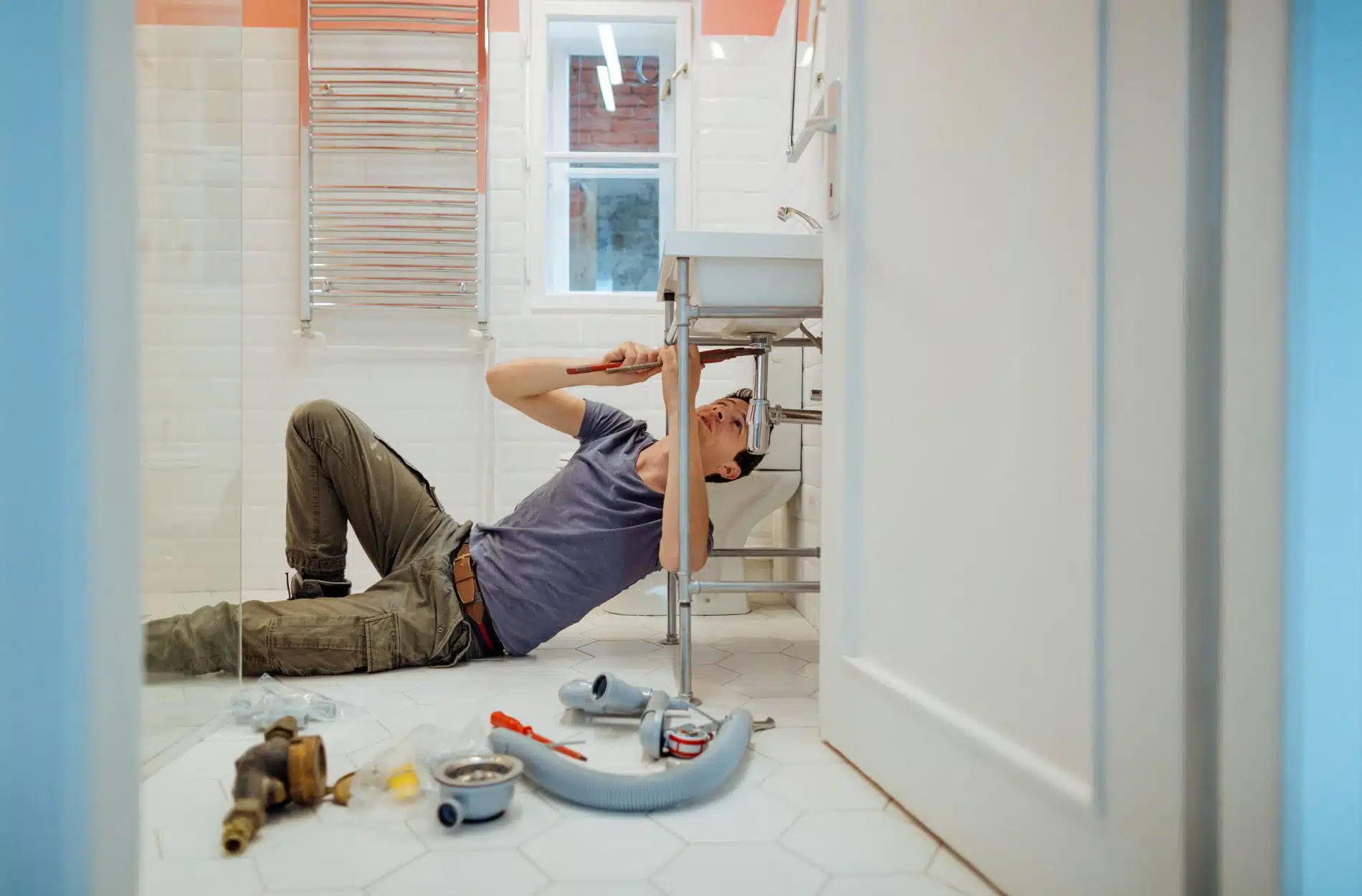
When water backs up from your washing machine standpipe or floor drain, the problem almost always comes down to one of these culprits:
Clogged drain line: Over time, lint, soap residue, fabric softener buildup, and small debris collect inside the drain pipe. A standard washing machine drain line is only 1.5 to 2 inches in diameter, so it does not take much to create a partial blockage that slows drainage. When the washer pumps out water faster than the clogged pipe can handle, the water backs up and overflows the standpipe.
Undersized standpipe: Some older Florida homes were built with standpipes that are too short or too narrow for modern high-efficiency washers. Current Florida plumbing code requires a standpipe height of 18 to 42 inches and a minimum diameter of 2 inches. If your standpipe does not meet these specifications, overflow is more likely.
Venting issues: Every drain needs proper venting to allow air into the system. Without adequate venting, a vacuum forms inside the pipe that slows or stops drainage. You might hear gurgling sounds when the washer drains, which is a telltale sign of a venting problem.
Shared drain conflicts: In many homes, the washing machine drain line connects to the same branch as a nearby sink or shower. When multiple fixtures drain simultaneously, the shared pipe cannot handle the volume and the weakest point overflows.
Main sewer line issues: In some cases, the washing machine overflow is actually a symptom of a larger problem. Roots intruding into the main sewer line, bellied pipes from Florida’s shifting sandy soil, or a partially collapsed line can all cause backups that show up first at the washing machine drain because it is the lowest or most active fixture.
Warning Signs Before an Overflow Happens
Need help with plumbing?
Inlet Mechanical’s licensed techs serve Brevard & Indian River with fast, dependable service and free estimates.
Most washing machine drain overflows do not happen without warning. If you pay attention to these early signs, you can catch the problem before it causes water damage:
- Water rises to the top of the standpipe during the drain cycle but slowly recedes
- Gurgling sounds from the standpipe or nearby drains when the washer runs
- Slow drainage that gets progressively worse over weeks
- Foul odor coming from the standpipe, indicating trapped debris
- Water backing up into a nearby sink or shower when the washer drains
If you notice any of these signs, a professional plumber in Melbourne, FL can inspect the line with a camera and identify the exact location and cause of the restriction before it becomes a full-blown overflow.
How to Prevent Washing Machine Drain Overflows
Prevention is always more affordable than emergency cleanup. Here are practical steps to keep your washing machine drain flowing freely:
Use a lint trap on the discharge hose. Inline lint traps cost less than $10 and catch a significant amount of debris before it enters the drain line. Replace or clean the trap monthly for best results.
Run hot water through the drain monthly. Once a month, pour a gallon of hot water directly into the standpipe to help dissolve soap residue and flush loose debris. This simple step can prevent the gradual buildup that leads to clogs.
Avoid overusing detergent. Excess detergent does not make your clothes cleaner, but it does leave more residue inside the drain line. Follow the manufacturer’s recommended amount, and consider switching to a low-suds or HE detergent if you have a high-efficiency washer.
Schedule professional drain cleaning. For homes in Florida where hard water and mineral deposits compound the problem, having a licensed plumber clean the washing machine drain line every one to two years is a wise investment. Professional hydro-jetting or mechanical snaking removes buildup that household remedies cannot touch.
Inlet Mechanical provides residential plumbing services throughout Brevard County, including drain cleaning, camera inspections, and standpipe upgrades to prevent washing machine drain overflows.
When to Call a Professional Plumber
Some washing machine drain issues are beyond DIY fixes. Call a licensed plumber (License CFC1433105) if you experience:
- Repeated overflows despite attempting to clear the line yourself
- Multiple drains in the home backing up at the same time
- Sewage odor accompanying the backup
- Water damage to flooring, drywall, or baseboards from an overflow event
- An older home that has never had the drain lines inspected or updated
A professional can perform a camera inspection to identify root intrusion, pipe deterioration, or code violations that are causing chronic overflow problems. Addressing these root causes prevents recurring damage and protects your home’s value.
Washing machine drain overflow usually comes down to one of three things: a clogged standpipe, a pump hose that’s worked loose, or a drain line that’s too small for the machine’s discharge rate. Inlet Mechanical can clear the blockage, check your drain sizing, and confirm the standpipe height meets code so the problem doesn’t repeat.
Related service: Overflowing laundry drains can point to a larger blockage; our drain and sewer services cover the next step.
Frequently Asked Questions
Why does my washing machine drain only overflow during large loads?
Large loads produce more water during the drain cycle. If your drain line has a partial clog or your standpipe is undersized, it may handle the flow from a small load but cannot keep up with the higher volume from a full load. The fix is usually clearing the drain line and verifying the standpipe meets the current 2-inch minimum diameter required by the Florida Building Code plumbing standards.
Can I use chemical drain cleaners on my washing machine drain?
Chemical drain cleaners are not recommended for washing machine drain lines. They often fail to fully clear the type of buildup found in these lines, which is typically a combination of lint, soap scum, and fabric softener residue. More importantly, chemical cleaners can damage older pipes and are harmful to septic systems, which are common in parts of Palm Bay and unincorporated Brevard County. Mechanical snaking or hydro-jetting is safer and more effective.
How much does it cost to fix a washing machine drain overflow problem?
The cost depends on the root cause. A straightforward drain cleaning typically runs $150 to $300. If the standpipe needs to be replaced or extended to meet code, expect $200 to $500 for parts and labor. More complex issues like main line root intrusion or pipe replacement can range from $500 to $2,000 or more. A camera inspection, usually $150 to $250, is the best first step to identify the exact problem and get an accurate estimate.
Do not wait for a washing machine drain overflow to cause water damage in your home. Proactive prevention and timely repairs protect your property and your wallet. Inlet Mechanical’s licensed plumbers serve Melbourne, Palm Bay, and all of Brevard County. Call (321) 723-0858 or contact us online to schedule a drain inspection or cleaning today.
Related Reading
- How to Read Your Water Meter to Detect Hidden Leaks
- Outdoor Faucet Repair and Maintenance for Florida Homes
Also Read: Outdoor Faucet Repair and Maintenance for Florida Homes
Trust Inlet Mechanical for professional washing machine drain overflow prevention services — serving Palm Bay, Melbourne, and greater Brevard County.
If washing machine drain overflow prevention is starting to affect your home, Inlet Mechanical can inspect the plumbing, confirm the cause, and recommend the most practical next step before the repair grows.
Talk to a Licensed Inlet Mechanical Pro
Whether it’s a repair, an upgrade, or a question, our team is ready to help homeowners and businesses across Brevard & Indian River County.
Licensed FL Mechanical (CMC1250858) · 85+ years combined experience · Free, no-obligation estimates
Written & Reviewed By
Inlet Mechanical Team
The Inlet Mechanical team brings over 85 years of combined experience in HVAC, plumbing, and mechanical construction across Florida. Our licensed professionals hold Florida Mechanical HVAC License (CMC1250858) and Florida Plumbing License (CFC1433105), along with EPA Section 608 certifications. Based in Brevard County, we serve residential, commercial, and industrial clients with expert knowledge of Florida building codes, climate-specific HVAC solutions, and local plumbing requirements. Every article is reviewed by our licensed technicians to ensure accuracy and practical value for Melbourne-area homeowners and businesses.
Last Updated: May 15, 2026