
If you live in Melbourne, Palm Bay, or anywhere in Brevard County, you already know that summer heat is relentless. One of the smartest upgrades homeowners overlook is a radiant barrier attic installation. In Florida, where attic temperatures regularly exceed 150 degrees, adding a radiant barrier can deliver real AC savings by reducing the heat load your cooling system has to fight every single day. At Inlet Mechanical, we help homeowners understand which improvements make the biggest impact on comfort and energy bills.
Need a hand from a local pro? We offer professional HVAC service in Melbourne, FL for homes throughout the area.
Radiant Barrier Attic Florida AC Savings: What Is a Radiant Barrier and How Does It Work?
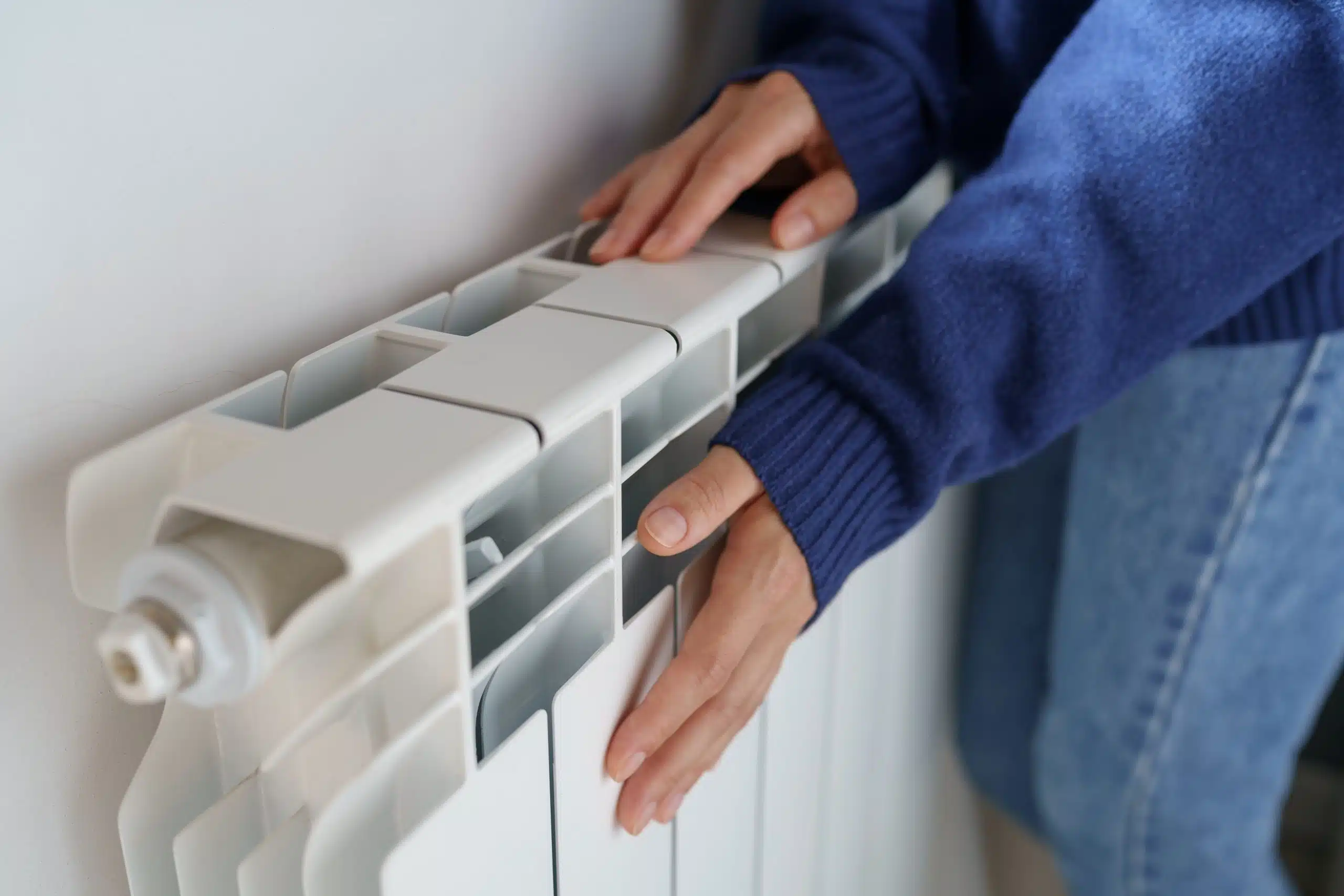
A radiant barrier is a reflective material, usually made of aluminum foil laminated to a substrate, that is installed in your attic. Unlike traditional insulation that slows conductive heat flow, a radiant barrier reflects radiant heat energy away from your living space. In Florida, the sun beats down on your roof for 10 to 12 hours a day during summer. That energy radiates through the roofing material and into the attic, where it superheats the air and eventually pushes through your ceiling insulation into your home.
By reflecting up to 97 percent of radiant heat back toward the roof, a radiant barrier keeps your attic significantly cooler. Studies by the Florida Solar Energy Center (FSEC) show that radiant barriers can reduce attic temperatures by 20 to 30 degrees in Florida homes. That means your air conditioning system does not have to work nearly as hard to maintain a comfortable indoor temperature.
Why Radiant Barriers Are Especially Effective in Florida
Need help with AC & heating?
Inlet Mechanical’s licensed techs serve Brevard & Indian River with fast, dependable service and free estimates.
Not every energy-saving upgrade works equally well in every climate. Radiant barriers happen to perform best in hot, sunny climates like Florida. The U.S. Department of Energy specifically recommends radiant barriers for homes in the southern United States where cooling costs dominate energy bills. Here is why they are a perfect fit for Brevard County homes:
- Extended cooling season: Florida homeowners run their AC systems 8 to 10 months per year, so any reduction in heat gain translates into consistent savings.
- High solar exposure: With an average of 233 sunny days per year in Melbourne, FL, roofs absorb enormous amounts of radiant energy.
- Aging insulation: Many homes built in the 1980s and 1990s in Palm Bay have original insulation that has settled and compressed, making radiant barriers an ideal supplement.
- Ductwork in attics: Most Florida homes have HVAC ductwork running through the attic. When the attic is 150 degrees, even insulated ducts absorb heat that your AC has to overcome. Cooler attic temperatures mean cooler air delivery.
Inlet Mechanical provides comprehensive residential HVAC services throughout Brevard County, including consultations on energy efficiency improvements like radiant barriers that complement your existing cooling system.
How Much Can a Radiant Barrier Save on AC Costs?
The savings from a radiant barrier depend on several factors, including your home’s existing insulation, roof color, attic ventilation, and the efficiency of your current HVAC system. However, multiple studies provide reliable estimates for Florida homeowners:
- The FSEC found that radiant barriers reduce cooling costs by 8 to 12 percent in typical Florida homes.
- Homes with ducts in the attic see even greater savings, sometimes reaching 15 to 17 percent.
- For an average Brevard County home spending $200 to $300 per month on electricity during summer, that could mean $25 to $50 in monthly savings.
Installation costs for a radiant barrier typically range from $700 to $1,500 for a standard single-family home. Most homeowners recoup the investment within two to four years through lower energy bills. Use our HVAC cost calculator to estimate how improvements like this could affect your overall heating and cooling expenses.
Installation Options and Considerations
There are two common methods for installing a radiant barrier in a Florida attic:
Draped over rafters: The barrier is stapled to the underside of the roof rafters with the reflective side facing down toward the attic floor. This method works well in new construction or during a re-roofing project.
Laid on the attic floor: The barrier is placed on top of existing attic insulation with the reflective side facing up. This method is easier for retrofits but requires the surface to be kept relatively dust-free to maintain reflectivity.
Professional installation is recommended to ensure proper ventilation is maintained. A radiant barrier should never completely seal the attic because moisture needs to escape, especially during Florida’s humid rainy season. Improper installation can trap moisture and lead to mold growth on roof decking.
It is also important to note that a radiant barrier does not replace insulation. The two work together. The radiant barrier handles radiant heat while insulation handles conductive and convective heat transfer. Most Florida building codes require a minimum of R-30 attic insulation, and adding a radiant barrier on top of meeting that standard gives you the best of both worlds.
Radiant barrier installation in a Florida attic can reduce AC runtime by keeping attic temperatures 20–30°F lower on peak summer days — a measurable gain that Inlet Mechanical sees reflected in before-and-after energy bills for clients who’ve added it. Ask us whether your attic configuration is a good candidate before buying materials.
Frequently Asked Questions
Does a radiant barrier make a noticeable difference in a Florida home?
Yes. Homeowners in Brevard County typically notice a difference within the first few days, especially in rooms directly below the attic. The most common feedback is that the home feels more evenly cooled and the AC does not run as often during peak afternoon hours. The FSEC documented 20 to 30 degree reductions in attic temperatures, which directly translates to less strain on your air conditioning system.
Can I install a radiant barrier myself or should I hire a professional?
While some homeowners attempt DIY installation, professional installation is strongly recommended. Attic work in Florida is physically demanding due to extreme heat, and improper installation can block ventilation or create moisture problems. A licensed HVAC contractor (License CMC1250858) can also assess your ductwork, insulation levels, and attic ventilation to ensure the radiant barrier integrates properly with your entire cooling system.
Will a radiant barrier affect my roof warranty?
When installed correctly, a radiant barrier should not affect your roof warranty. The key is maintaining proper ventilation and not attaching the barrier directly to the roof decking in a way that traps moisture. Most roofing manufacturers accept radiant barrier installations as long as airflow requirements are met. Always check your specific warranty documentation or consult with a professional before installation.
A radiant barrier is one of the most cost-effective ways to boost your AC savings in a Florida attic. If you want to lower your energy bills and reduce the strain on your cooling system, Inlet Mechanical can help you evaluate whether a radiant barrier is right for your home. Call us at (321) 723-0858 or contact us online to schedule a consultation with a licensed HVAC professional serving Melbourne, Palm Bay, and all of Brevard County.
Related Reading
- AC Fan Motor Failure: Warning Signs and What to Expect
- Heat Pump Emergency Heat: When and How to Use It in Florida
Also Read: Heat Pump Emergency Heat: When and How to Use It in Florida
From radiant barriers in Florida attics for AC savings to emergency repairs, Inlet Mechanical has Palm Bay and Melbourne covered.
If radiant barrier attic florida ac savings is affecting comfort or efficiency, Inlet Mechanical can inspect the equipment, confirm the root issue, and recommend the most practical HVAC solution for your property.
Talk to a Licensed Inlet Mechanical Pro
Whether it’s a repair, an upgrade, or a question, our team is ready to help homeowners and businesses across Brevard & Indian River County.
Licensed FL Mechanical (CMC1250858) · 85+ years combined experience · Free, no-obligation estimates
Written & Reviewed By
Inlet Mechanical Team
The Inlet Mechanical team brings over 85 years of combined experience in HVAC, plumbing, and mechanical construction across Florida. Our licensed professionals hold Florida Mechanical HVAC License (CMC1250858) and Florida Plumbing License (CFC1433105), along with EPA Section 608 certifications. Based in Brevard County, we serve residential, commercial, and industrial clients with expert knowledge of Florida building codes, climate-specific HVAC solutions, and local plumbing requirements. Every article is reviewed by our licensed technicians to ensure accuracy and practical value for Melbourne-area homeowners and businesses.
Last Updated: July 28, 2026