
Living in Melbourne, FL means dealing with some of the highest humidity levels in the country. While most homeowners focus on temperature when thinking about their air conditioning, humidity plays an equally critical role in how well your AC performs and how long it lasts.
At Inlet Mechanical, we see the effects of Florida humidity on HVAC systems every day across Brevard County. Understanding these impacts can help you take proactive steps to protect your investment.
Florida Humidity AC System: How Humidity Overworks Your AC System
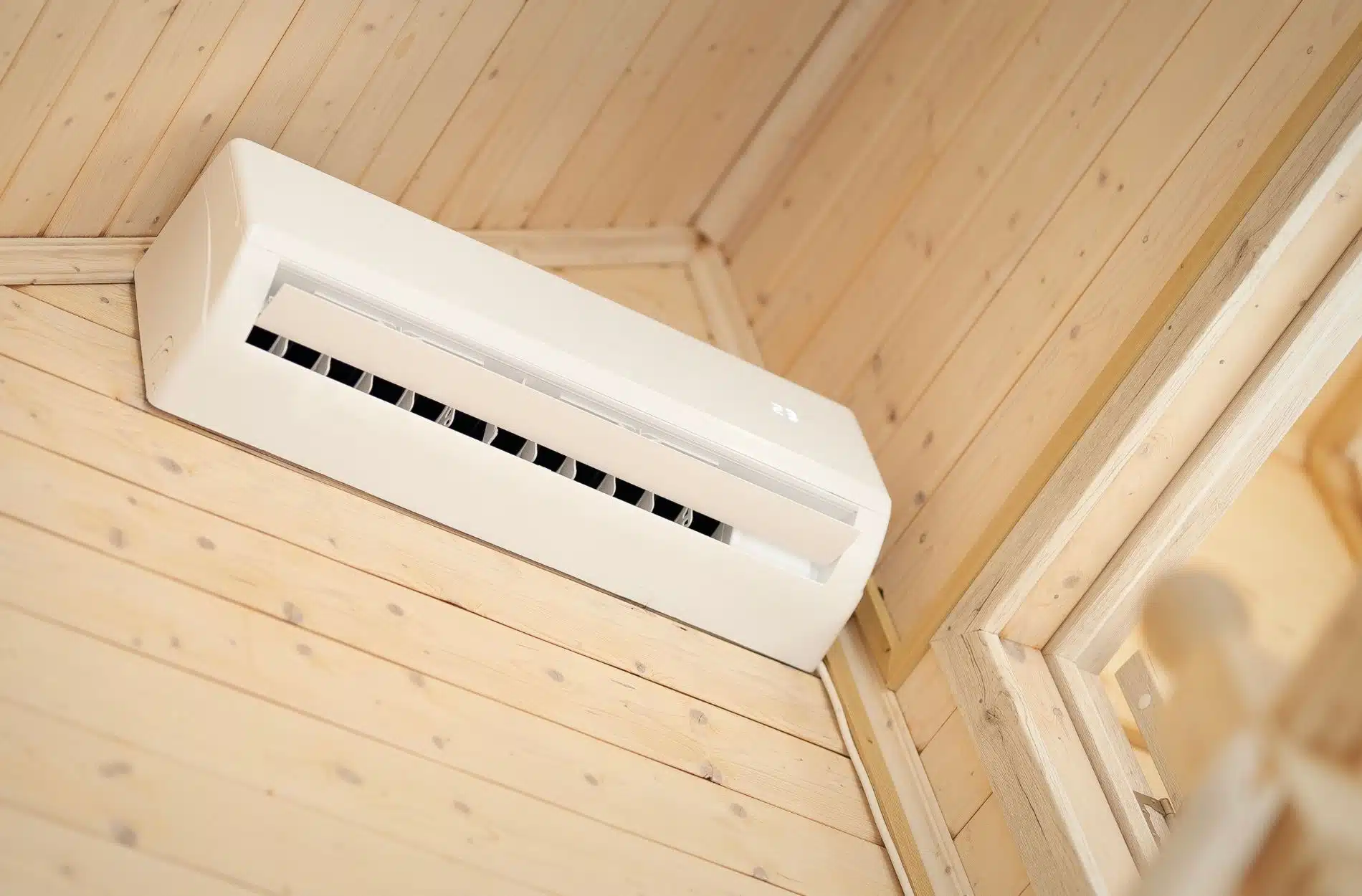
Your air conditioning system does two jobs simultaneously: it cools the air and removes moisture. In Florida, where relative humidity regularly exceeds 80%, your AC works significantly harder on the dehumidification side than systems in drier climates.
When humidity levels are high, your evaporator coil has to work overtime to condense moisture from the air. This extra workload means longer run cycles, higher energy bills, and accelerated wear on components like the compressor and blower motor. A system that might last 15-20 years in a northern state may only last 10-12 years in Brevard County without proper maintenance.
Signs that humidity is affecting your system include water pooling around the indoor unit, musty odors from vents, foggy windows even when the AC is running, and rooms that feel clammy despite the thermostat reading a comfortable temperature.
The Mold and Mildew Problem
Need help with AC & heating?
Inlet Mechanical’s licensed techs serve Brevard & Indian River with fast, dependable service and free estimates.
One of the most serious humidity-related issues for Melbourne FL homeowners is mold growth inside the HVAC system. Florida building code requires that HVAC systems maintain indoor humidity below 60% per the Florida Mechanical Code, but many older systems struggle to meet this standard.
Mold thrives in dark, damp environments — which perfectly describes the inside of your ductwork and around the evaporator coil. Once mold takes hold, it circulates spores throughout your home every time the system runs. This is particularly concerning for families with allergies or respiratory conditions.
Regular duct cleaning, UV light installations, and ensuring your drain line stays clear are all effective strategies for preventing mold growth. If you notice a musty smell when your AC kicks on, schedule an inspection right away.
Trusted Resources: The ENERGY STAR provides comprehensive guides on heating and cooling efficiency for homeowners. The ENERGY STAR offers efficiency ratings and recommendations for HVAC equipment.
Florida humidity does more damage to an AC system than most homeowners realize until the repair bill arrives. Keeping your coils clean, your refrigerant charged, and your drainage clear are the three fastest ways to protect that equipment — and Inlet Mechanical can handle all three on a single visit.
Frequently Asked Questions
When should I call a professional about florida humidity ac system?
You should call a licensed HVAC professional when you notice unusual performance, higher-than-normal energy bills, strange noises or odors, or any signs of leaks or moisture. In Brevard County, FL, Florida’s heat and humidity can accelerate wear on systems, making prompt attention to issues especially important. Call Inlet Mechanical at (321) 723-0858.
How does Florida’s climate affect florida humidity ac system?
Florida’s combination of high heat, humidity, and salt air (for coastal areas) creates unique demands on HVAC systems. Equipment works harder and longer than in milder climates, accelerating wear on components. Regular professional maintenance adapted to these conditions is essential for reliability and longevity in Brevard County, FL.
Does Inlet Mechanical handle florida humidity ac system for both residential and commercial properties?
Yes, Inlet Mechanical serves both residential and commercial customers throughout Brevard County, including Melbourne, Palm Bay, Cocoa, and surrounding communities. We hold Florida Mechanical HVAC License CMC1250858 and Florida Plumbing License CFC1433105. Call (321) 723-0858 to schedule service.
Solutions for Brevard County Homeowners
The good news is that modern HVAC technology is designed to handle Florida-level humidity. Variable-speed systems are particularly effective because they can run at lower speeds for longer periods, providing better dehumidification than traditional single-stage units that cycle on and off.
Whole-home dehumidifiers can be installed alongside your existing AC system to handle the moisture load independently. This allows your air conditioner to focus primarily on cooling, improving efficiency and extending equipment life.
Proper sizing is also critical. An oversized AC will cool too quickly without running long enough to adequately dehumidify. This is a common problem we see in Palm Bay and Melbourne homes where the original system was installed based on square footage alone without a proper Manual J load calculation.
Other practical steps include sealing air leaks around windows and doors, maintaining proper attic insulation, keeping your condensate drain line clear, and scheduling professional maintenance twice per year — once before summer and once before the cooler months.
If your home feels uncomfortable despite running the AC, or if you are seeing signs of excess moisture, contact our Melbourne FL AC repair team for a humidity assessment. Our licensed technicians (FL License CMC1250858) can evaluate your system and recommend the most cost-effective solution for your home.
Related Reading
Also Read: What Is a SEER2 Rating and Why It Matters in Florida
Whether you need help with Florida humidity and your AC system, the licensed HVAC professionals at Inlet Mechanical serve Palm Bay, Melbourne, and all of Brevard County.
If florida humidity ac system is affecting comfort or efficiency, Inlet Mechanical can inspect the equipment, confirm the root issue, and recommend the most practical HVAC solution for your property.
Talk to a Licensed Inlet Mechanical Pro
Whether it’s a repair, an upgrade, or a question, our team is ready to help homeowners and businesses across Brevard & Indian River County.
Licensed FL Mechanical (CMC1250858) · 85+ years combined experience · Free, no-obligation estimates
Written & Reviewed By
Inlet Mechanical Team
The Inlet Mechanical team brings over 85 years of combined experience in HVAC, plumbing, and mechanical construction across Florida. Our licensed professionals hold Florida Mechanical HVAC License (CMC1250858) and Florida Plumbing License (CFC1433105), along with EPA Section 608 certifications. Based in Brevard County, we serve residential, commercial, and industrial clients with expert knowledge of Florida building codes, climate-specific HVAC solutions, and local plumbing requirements. Every article is reviewed by our licensed technicians to ensure accuracy and practical value for Melbourne-area homeowners and businesses.
Last Updated: July 28, 2026