
blower motor failure explained is easier to evaluate when Florida property owners understand the comfort, efficiency, and equipment-life tradeoffs before scheduling service.
The blower motor is the component in your air conditioning system responsible for pushing conditioned air through your ductwork and into your living spaces. Without a functioning blower motor, your AC system may still cool the air at the evaporator coil, but that cooled air has no way to reach the rooms where you need it. For homeowners in Melbourne FL, Palm Bay, and across Brevard County, blower motor problems are among the most common HVAC issues, and understanding this component helps you recognize trouble early and make informed repair decisions.
Your blower motor works harder in the Florida climate than in most other regions because your AC system operates for more hours per year. This extended workload makes Florida blower motors more susceptible to wear-related failures, making awareness and preventive maintenance especially important.
Blower Motor Failure Explained: How Your Blower Motor Works
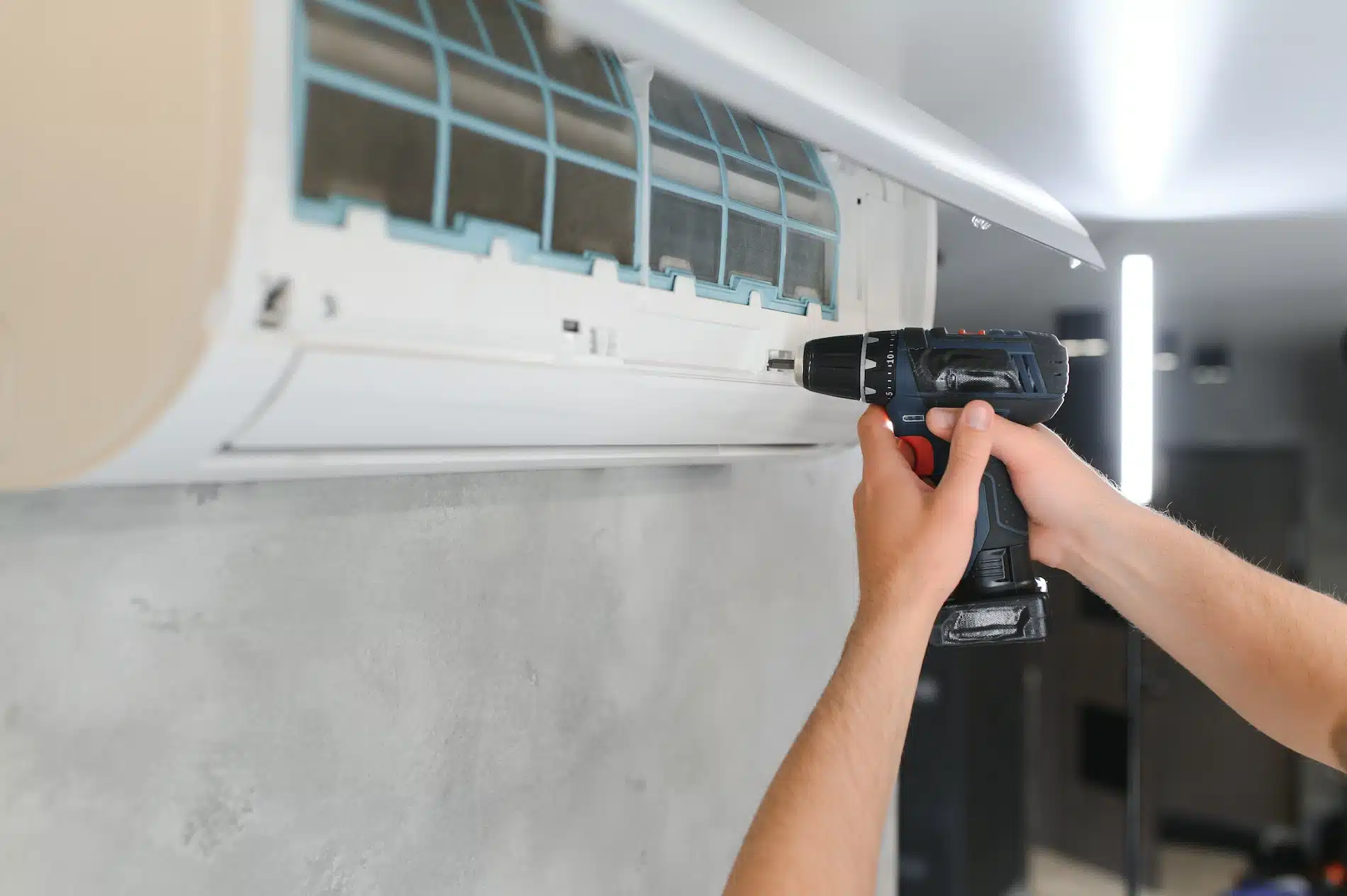
The blower motor is located inside your air handler, which may be in a closet, garage, attic, or utility room depending on your home design. It powers a fan wheel, also called a squirrel cage, that draws air through the return duct, pulls it across the evaporator coil where it is cooled and dehumidified, and pushes it through the supply ductwork to registers throughout your home.
There are two main types of blower motors used in residential HVAC systems. Single-speed motors operate at one fixed speed whenever the system calls for cooling or heating. These are the most common type in older and basic AC systems. When the thermostat signals for cooling, the motor runs at full speed until the thermostat is satisfied, then shuts off completely.
Variable-speed motors, also called electronically commutated motors or ECM motors, can adjust their speed based on system demands. These motors ramp up gradually during startup, run at lower speeds during light load conditions, and operate at full speed only when maximum cooling is needed. Variable-speed motors are significantly more energy-efficient and provide better humidity control in the Florida climate because their longer, slower operating cycles allow the evaporator coil more time to remove moisture from the air.
The blower motor also relies on a capacitor to provide the extra electrical boost needed during startup. The capacitor stores and releases electrical energy to help the motor overcome the initial resistance of getting the fan wheel spinning. A failing capacitor is actually one of the most common causes of blower motor problems and is often mistaken for motor failure itself.
Common Causes of Blower Motor Failure
Need help with AC & heating?
Inlet Mechanical’s licensed techs serve Brevard & Indian River with fast, dependable service and free estimates.
Overheating is the primary cause of blower motor failure in Florida AC systems. Several conditions contribute to motor overheating. A dirty air filter restricts airflow through the system, forcing the blower motor to work harder to pull air through the clogged filter material. This increased workload generates excess heat in the motor windings. In Brevard County homes where the AC runs extensively, a clogged filter can cause a motor to overheat within weeks.
Dirty evaporator coils create similar airflow restrictions. When the coil surface is coated with dust, dirt, and biological growth, it restricts the path of air moving through the system. The blower motor responds by drawing more current to maintain airflow, which generates heat that accelerates motor wear. Regular professional AC maintenance in Melbourne FL includes coil cleaning that protects your blower motor from this type of stress.
Electrical issues contribute significantly to blower motor failures. Voltage fluctuations from the power grid, which are common during Florida summer storms, can damage motor windings. Power surges from lightning strikes, even indirect strikes in the vicinity, can instantly destroy a blower motor. A whole-home surge protector provides valuable protection for your HVAC equipment and other sensitive electronics.
Bearing wear is a mechanical cause of blower motor failure that develops gradually over time. The motor shaft rotates on bearings that require lubrication to reduce friction. As bearings wear, friction increases, generating heat and requiring the motor to consume more energy. Squealing, grinding, or scraping noises from your air handler often indicate bearing problems. Some older motor designs have oil ports that allow periodic lubrication, while sealed bearing motors must be replaced when bearings wear out.
Age and cumulative wear eventually claim even well-maintained blower motors. In the Florida climate, where AC systems log thousands of operating hours per year, blower motors typically last 10 to 15 years before wear-related issues become significant. The demanding operating conditions of Brevard County, including high humidity, extended run times, and electrical storm exposure, can shorten this lifespan for motors that do not receive regular maintenance.
Trusted Resources: The ENERGY STAR estimates that duct losses can account for more than 30% of energy consumption for air conditioning. The ENERGY STAR recommends professional duct sealing to improve system efficiency.
Blower motor failure is one of the more common reasons an AC system loses airflow without any compressor or refrigerant issue involved — the motor runs almost continuously in Florida homes and wears out on its own schedule. Inlet Mechanical stocks common blower assemblies and can usually restore airflow without a multi-day wait for parts.
Frequently Asked Questions
Can I troubleshoot blower motor failure explained myself before calling a technician?
You can perform basic checks like verifying your thermostat settings, checking the circuit breaker, inspecting the air filter, and ensuring vents are not blocked. However, if these steps do not resolve the issue, continuing to run the system could cause further damage. A licensed HVAC technician can diagnose the root cause safely and prevent costly repairs.
How urgent is it to address blower motor failure explained?
The urgency depends on the severity of the symptoms. Minor issues like unusual noises or slight temperature fluctuations may allow you to schedule a convenient appointment. However, water leaks, complete system failures, gas odors, or electrical problems require immediate professional attention. In Brevard County, FL, Inlet Mechanical offers prompt service — call (321) 723-0858.
How much does it cost to fix blower motor failure explained?
Repair costs vary depending on the specific cause, parts needed, and labor involved. Minor repairs such as replacing a capacitor or clearing a clog may cost $150 to $400, while major component replacements can range from $500 to $2,000 or more. A licensed technician will provide a detailed diagnosis and upfront quote before beginning any work.
Warning Signs and What to Do
Weak airflow from your supply registers is the most noticeable symptom of a struggling blower motor. If the air coming from your vents feels weaker than normal, the motor may be losing power output due to electrical or mechanical problems. Check your air filter first, as a clogged filter is the simplest explanation for reduced airflow.
Unusual noises from your air handler warrant prompt attention. Squealing often indicates belt problems in older belt-driven systems or bearing issues in direct-drive motors. Humming without the fan running can indicate a seized motor or a failed capacitor. Rattling may suggest loose mounting hardware or a damaged fan wheel. Any new or unusual sound from your air handler should be evaluated by a qualified HVAC technician before the problem worsens.
The system running but producing no airflow typically means the motor has failed completely or the capacitor has given out. Turn off the system and call for professional service, as running the AC without blower operation causes the evaporator coil to freeze, potentially damaging the compressor as well.
Intermittent operation, where the blower starts and stops erratically, often indicates an overheating motor that is tripping its internal thermal protection switch. The motor runs until it overheats, shuts itself off to cool down, and then restarts. This cycling pattern indicates the motor is failing and needs professional attention before it stops working entirely.
Blower motor replacement costs vary based on the motor type, with single-speed motors being less expensive than variable-speed ECM motors. Your technician can advise whether upgrading to a variable-speed motor is worthwhile based on your system compatibility and expected efficiency gains. In many Florida homes, the energy savings from a variable-speed motor offset the higher replacement cost within a few years.
For blower motor diagnosis, repair, or replacement in Melbourne, Palm Bay, or anywhere in Brevard County, contact Inlet Mechanical. Our licensed HVAC technicians (FL License CMC1250858) provide quick, reliable blower motor service to restore your home comfort. Call (321) 723-0858 to schedule your appointment.
Related Reading
Also Read: AC Evaporator Coil Problems and Solutions
For expert help with blower motor failure, call Inlet Mechanical at (321) 723-0858.
If blower motor failure explained is affecting comfort or efficiency, Inlet Mechanical can inspect the equipment, confirm the root issue, and recommend the most practical HVAC solution for your property.
Talk to a Licensed Inlet Mechanical Pro
Whether it’s a repair, an upgrade, or a question, our team is ready to help homeowners and businesses across Brevard & Indian River County.
Licensed FL Mechanical (CMC1250858) · 85+ years combined experience · Free, no-obligation estimates
Written & Reviewed By
Inlet Mechanical Team
The Inlet Mechanical team brings over 85 years of combined experience in HVAC, plumbing, and mechanical construction across Florida. Our licensed professionals hold Florida Mechanical HVAC License (CMC1250858) and Florida Plumbing License (CFC1433105), along with EPA Section 608 certifications. Based in Brevard County, we serve residential, commercial, and industrial clients with expert knowledge of Florida building codes, climate-specific HVAC solutions, and local plumbing requirements. Every article is reviewed by our licensed technicians to ensure accuracy and practical value for Melbourne-area homeowners and businesses.
Last Updated: July 28, 2026