
Scale buildup is one of the biggest threats to water heater performance and longevity in Florida. The mineral-rich water common throughout Melbourne, Palm Bay, and Brevard County deposits layers of calcium and magnesium carbonate inside your water heater tank, on heating elements, and along the interior of your hot water pipes. Over time, this scale acts as an insulating barrier that forces your water heater to work harder, consume more energy, and eventually fail prematurely.
Understanding how to prevent scale buildup in your Florida water heater saves money on energy bills, extends equipment life, and ensures you always have reliable hot water when you need it.
Prevent Scale Buildup Water Heater Florida: Why Florida Water Causes Scale Problems
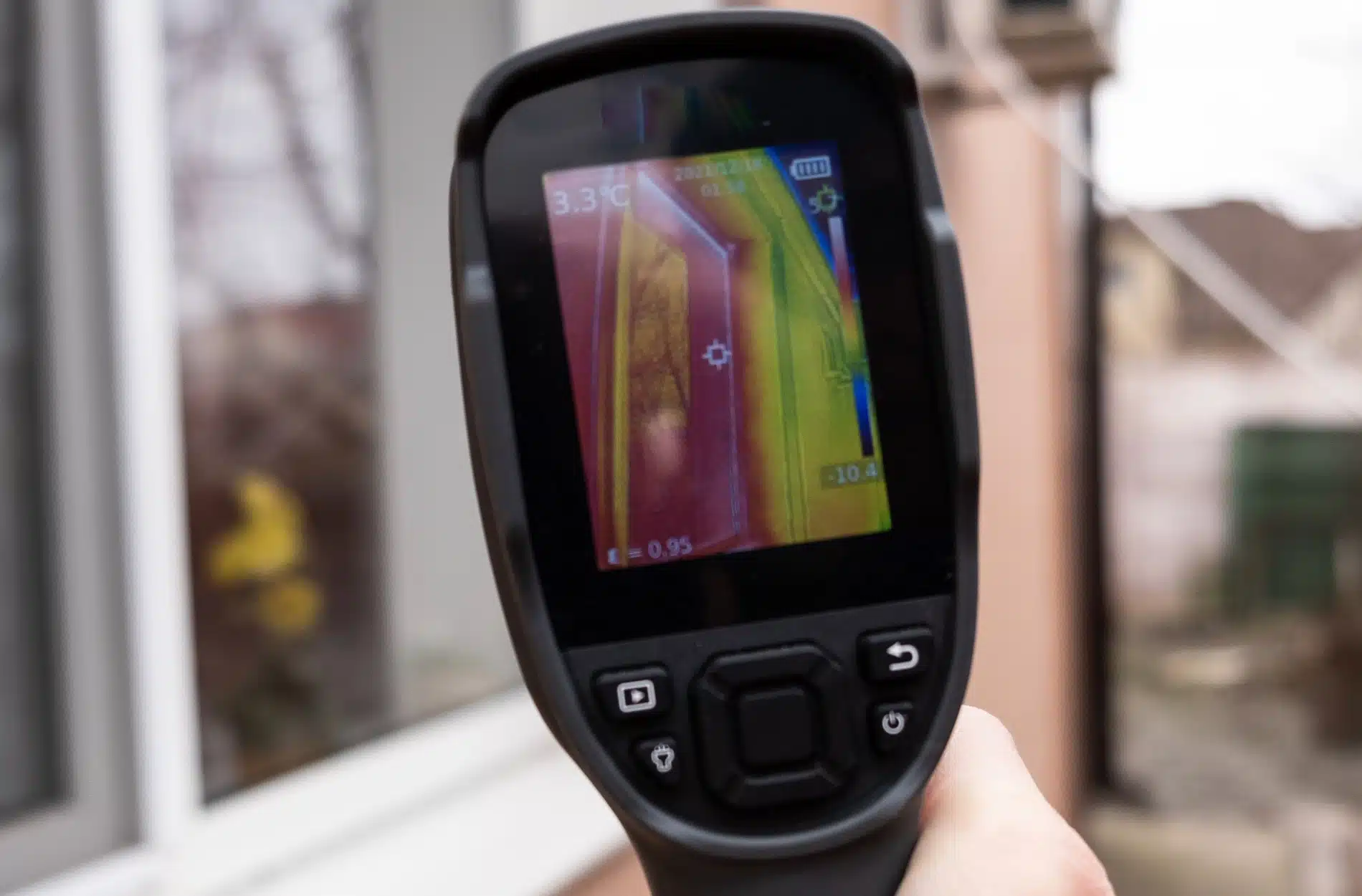
Brevard County water, whether from municipal sources or private wells, typically contains moderate to high levels of dissolved minerals. When this water is heated inside your water heater, the dissolved minerals come out of solution and form solid deposits on the hottest surfaces. The higher the water temperature, the faster scale accumulates. At temperatures above 140 degrees Fahrenheit, scale formation accelerates dramatically.
Not sure what it will cost? Use our free plumbing cost estimator to get an instant estimate for your Brevard County home.
Tank-style water heaters are particularly vulnerable to scale accumulation on the bottom of the tank where the gas burner heats the water, or on the lower electric heating element in electric models. As scale builds up on these surfaces, it creates an insulating layer between the heat source and the water. This forces the burner or element to run longer and reach higher temperatures to heat the water, wasting energy and overheating the tank metal.
The characteristic popping, cracking, or rumbling sounds from a water heater are often caused by water trapped beneath layers of scale on the tank bottom. As the burner heats the scale layer, trapped water pockets boil and create steam bubbles that pop through the scale. These sounds are a clear indicator that significant scale accumulation has occurred and maintenance is needed.
Scale buildup reduces your water heater effective capacity because the mineral deposits occupy space inside the tank that would otherwise hold hot water. A heavily scaled water heater may produce noticeably less hot water per heating cycle than when it was new, leading to complaints about running out of hot water faster than expected.
For electric water heaters, scale encrusting the lower heating element is especially problematic. The element must work harder to heat through the insulating scale layer, which causes it to overheat and burn out prematurely. Replacing heating elements in heavily scaled tanks can be a recurring expense that signals the need for more comprehensive maintenance or tank replacement.
Effective Prevention Strategies
Need help with plumbing?
Inlet Mechanical’s licensed techs serve Brevard & Indian River with fast, dependable service and free estimates.
Regular tank flushing is the most basic and important scale prevention measure. Flushing involves draining several gallons of water from the bottom of the tank through the drain valve, carrying accumulated sediment and loose scale particles with it. For Brevard County homes with moderate to hard water, flushing every three to four months is recommended. For homes with particularly hard well water, monthly flushing may be necessary.
To flush your water heater, turn off the gas valve or electric power to the unit. Attach a garden hose to the drain valve at the bottom of the tank and route the hose to a floor drain or outdoors. Open the drain valve and let water flow until it runs clear. Be careful, as the water will be hot. Close the valve, remove the hose, and restore power to the unit. This simple process takes about 15 to 20 minutes and can be performed by most homeowners.
Temperature management plays a significant role in scale formation. Setting your water heater thermostat to 120 degrees Fahrenheit rather than the factory default of 140 degrees substantially slows scale formation while still providing adequately hot water for household needs. This lower temperature setting also reduces scalding risk and saves approximately 5 to 10 percent on water heating energy costs. A licensed plumber in Melbourne FL can adjust your water heater temperature and verify safe operation.
Installing a whole-house water softener is the most comprehensive solution for preventing scale buildup throughout your plumbing system, not just in your water heater. Water softeners remove calcium and magnesium ions from your water supply through an ion exchange process, replacing them with sodium ions that do not form scale. For Brevard County homes with moderate to hard water, a properly sized water softener dramatically reduces scale formation in your water heater, pipes, faucets, and appliances.
Water softeners require periodic maintenance including salt replenishment and occasional system cleaning. The investment in a water softener pays for itself through extended appliance life, reduced energy consumption, and less frequent plumbing repairs. Softened water also improves soap and detergent effectiveness, potentially reducing your household cleaning product usage.
For homes where a full water softener is not practical, a point-of-use scale inhibitor installed on the cold water inlet to your water heater can provide targeted protection. These devices use various technologies including template-assisted crystallization and polyphosphate injection to prevent mineral scale from adhering to surfaces inside the tank and on heating elements.
Trusted Resources: The U.S. Department of Energy compares water heater types and their long-term energy costs for homeowners. The ENERGY STAR certifies energy-efficient water heaters that can save hundreds per year on utility bills.
Scale buildup in a Florida water heater shortens tank life, raises energy use, and quietly degrades hot water output — annual flushing and a sacrificial anode inspection are the two steps that prevent most of the damage. Inlet Mechanical handles water heater maintenance across Brevard County as a standalone service or add-on to any plumbing visit.
Related service: For water heater maintenance and repair, see our water heater services.
Frequently Asked Questions
How often should I address prevent scale buildup water heater florida?
For most plumbing systems in Florida, scheduling professional maintenance at least once a year is recommended — ideally before the peak cooling season begins in spring. However, systems that run year-round in Brevard County, FL benefit from biannual service. Regular attention prevents breakdowns during extreme heat and extends equipment lifespan.
Can I handle prevent scale buildup water heater florida on my own?
Some basic tasks like changing air filters, checking thermostat settings, and keeping outdoor units clear of debris can be done by homeowners. However, tasks involving electrical components, refrigerant, gas lines, or plumbing connections should always be handled by a licensed professional. Improper DIY work can void warranties and create safety hazards.
What happens if I neglect prevent scale buildup water heater florida?
Neglecting regular maintenance can lead to reduced efficiency, higher energy bills, premature equipment failure, and potential safety hazards. In Florida’s humid climate, lack of maintenance also increases the risk of mold growth in ductwork and biological buildup in drain lines. Scheduling routine service with Inlet Mechanical at (321) 723-0858 prevents these issues.
Professional Maintenance for Scale Prevention
Annual professional water heater maintenance goes beyond basic flushing to address scale prevention comprehensively. Your plumber will perform a thorough tank flush, inspect and replace the anode rod if needed, check the temperature and pressure relief valve, evaluate heating element condition on electric models, and test the thermostat accuracy.
For heavily scaled tanks, a professional deep cleaning using descaling solutions can dissolve accumulated mineral deposits that regular flushing cannot remove. This process involves circulating a safe acid-based solution through the tank to dissolve scale from the tank walls, heating elements, and dip tube. Deep cleaning can restore performance to water heaters that have suffered from years of scale accumulation.
When scale damage has become too severe for remediation, your plumber can recommend a replacement water heater that better suits your water conditions. Tankless water heaters, while not immune to scale, are generally easier to descale through routine maintenance flushing and can provide excellent performance in Florida homes when properly maintained.
Protecting your water heater from scale buildup is a worthwhile investment that pays dividends in energy savings, equipment longevity, and reliable hot water supply. For water heater maintenance, flushing, water softener installation, or any plumbing service in Melbourne FL, Palm Bay, or Brevard County, contact Inlet Mechanical. Our licensed plumbers (FL License CFC1433105) provide thorough, professional water heater care. Call (321) 723-0858 to schedule your appointment.
Related Reading
Also Read: Outdoor Kitchen Plumbing Requirements in Florida
From preventing scale buildup in your water heater in Florida to emergency repairs, Inlet Mechanical has Palm Bay and Melbourne covered.
If prevent scale buildup water heater florida is starting to affect your home, Inlet Mechanical can inspect the plumbing, confirm the cause, and recommend the most practical next step before the repair grows.
Talk to a Licensed Inlet Mechanical Pro
Whether it’s a repair, an upgrade, or a question, our team is ready to help homeowners and businesses across Brevard & Indian River County.
Licensed FL Mechanical (CMC1250858) · 85+ years combined experience · Free, no-obligation estimates
Written & Reviewed By
Inlet Mechanical Team
The Inlet Mechanical team brings over 85 years of combined experience in HVAC, plumbing, and mechanical construction across Florida. Our licensed professionals hold Florida Mechanical HVAC License (CMC1250858) and Florida Plumbing License (CFC1433105), along with EPA Section 608 certifications. Based in Brevard County, we serve residential, commercial, and industrial clients with expert knowledge of Florida building codes, climate-specific HVAC solutions, and local plumbing requirements. Every article is reviewed by our licensed technicians to ensure accuracy and practical value for Melbourne-area homeowners and businesses.
Last Updated: May 15, 2026