
Your air conditioning system and your home insulation are partners in keeping you comfortable. Even the most powerful, efficient AC system cannot overcome poor insulation, and even the best insulation cannot compensate for a failing air conditioner. In Florida, where cooling accounts for nearly half of household energy costs, the relationship between insulation and AC performance has a direct impact on your comfort and your wallet. Understanding how insulation affects your AC performance in Florida helps you make smart improvements that pay for themselves through energy savings.
Insulation Affects AC Performance Florida: How Insulation Works in a Florida Home
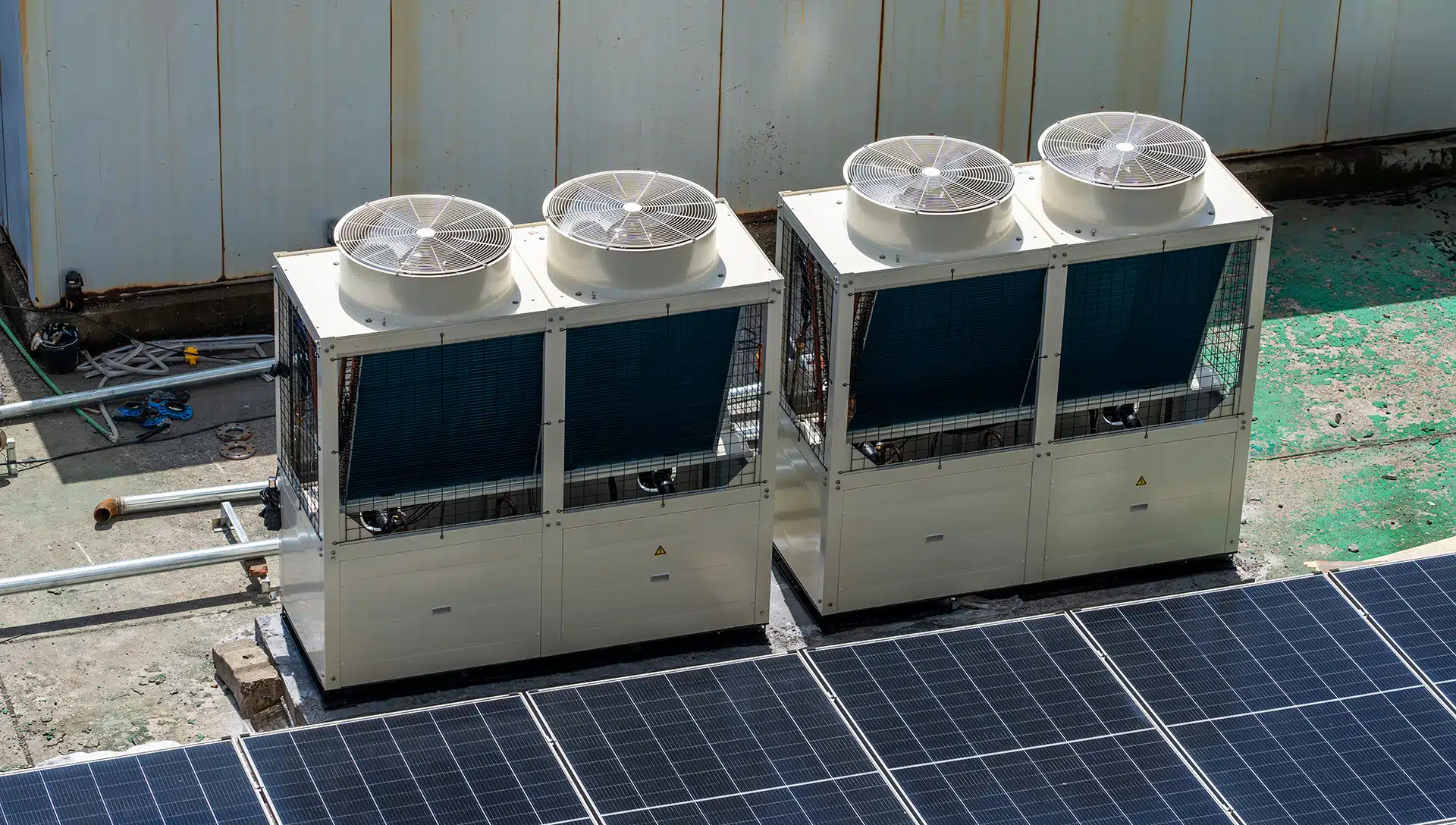
Insulation slows the transfer of heat into your home from the outside environment. In Brevard County, where outdoor temperatures regularly exceed 90 degrees and the sun beats down on your roof for hours each day, enormous amounts of heat energy try to enter your home through the roof, walls, windows, and even the slab floor. Every BTU of heat that makes it through your building envelope must be removed by your air conditioning system, consuming electricity and costing you money.
Attic insulation is the most critical thermal barrier in a Florida home. Hot air rises, and in summer, your attic can reach temperatures of 140 to 160 degrees Fahrenheit. That superheated air sits directly above your ceiling, separated from your conditioned living space by only the ceiling drywall and whatever insulation lies on top of it. If your attic insulation is thin, compressed, or missing in spots, heat pours through the ceiling into your rooms below, forcing your AC system to run longer and harder to maintain the thermostat setting.
The Florida Building Code specifies minimum insulation levels based on climate zone. Brevard County falls in Climate Zone 2, which requires a minimum of R-38 insulation in the attic for new construction. However, many existing homes in Melbourne and Palm Bay were built to older standards that required only R-19 or R-25. Some homes built in the 1960s and 1970s may have as little as R-11 in the attic, which is woefully inadequate for Florida’s intense heat. Upgrading attic insulation to current code levels is one of the most cost-effective energy improvements you can make.
Wall insulation also plays a role, though it is less impactful than attic insulation in Florida because walls receive less direct solar radiation than roofs. Block construction, which is common in Brevard County, provides some thermal mass but relatively little insulation value on its own. Adding insulation to block walls through interior furring strips and batts or spray foam can improve wall performance, though this is typically only practical during a major renovation. Most homeowners see the best return on investment from attic insulation upgrades and AC system improvements.
The Measurable Impact on AC Performance
Need help with AC & heating?
Inlet Mechanical’s licensed techs serve Brevard & Indian River with fast, dependable service and free estimates.
The connection between insulation and AC performance is measurable and significant. A home with R-19 attic insulation in Brevard County allows roughly twice as much heat gain through the ceiling as a home with R-38. That additional heat gain directly translates to longer AC run times, higher electricity consumption, and greater wear on system components. Energy modeling studies estimate that upgrading from R-19 to R-38 attic insulation can reduce cooling costs by 10 to 15 percent in Florida homes.
Beyond energy costs, poor insulation affects AC system longevity. A system that runs 14 hours per day instead of 10 hours accumulates 1,460 additional operating hours per year. Over a 15-year system lifespan, that is nearly 22,000 extra hours of compressor, fan, and motor operation. Components wear out proportionally to their run time, so a system serving a poorly insulated home will likely need more repairs and may fail several years sooner than the same system in a well-insulated home.
Humidity control also suffers in poorly insulated homes. When the heat load exceeds the system’s ability to keep up, the AC runs continuously without cycling off. Paradoxically, a system that never cycles off may actually dehumidify less effectively than one that runs in appropriate-length cycles, because the evaporator coil temperature and airflow patterns are not optimized for moisture removal during continuous operation. The result is a home that feels clammy even when the thermostat shows the desired temperature.
Hot spots and uneven temperatures throughout the house are another symptom of inadequate insulation. Rooms with exterior-facing walls, rooms directly below the attic, and rooms with west-facing windows often feel warmer than interior rooms. While some temperature variation is normal, significant differences of more than three degrees between rooms indicate insulation deficiencies, air leaks, or ductwork problems that are making your AC system work harder than necessary.
Trusted Resources: The ENERGY STAR provides R-value recommendations by climate zone for optimal energy efficiency. The ENERGY STAR recommends proper insulation as a key strategy for reducing cooling costs.
Poor insulation is one of the most overlooked reasons Florida AC systems run hot, run long, and wear out early — sealing and upgrading your envelope can cut runtime noticeably. Inlet Mechanical serves the Space Coast and is happy to assess your setup alongside any AC service call.
Frequently Asked Questions
When should I call a professional about insulation affects ac performance florida?
You should call a licensed HVAC professional when you notice unusual performance, higher-than-normal energy bills, strange noises or odors, or any signs of leaks or moisture. In Brevard County, FL, Florida’s heat and humidity can accelerate wear on systems, making prompt attention to issues especially important. Call Inlet Mechanical at (321) 723-0858.
How does Florida’s climate affect insulation affects ac performance florida?
Florida’s combination of high heat, humidity, and salt air (for coastal areas) creates unique demands on HVAC systems. Equipment works harder and longer than in milder climates, accelerating wear on components. Regular professional maintenance adapted to these conditions is essential for reliability and longevity in Brevard County, FL.
Does Inlet Mechanical handle insulation affects ac performance florida for both residential and commercial properties?
Yes, Inlet Mechanical serves both residential and commercial customers throughout Brevard County, including Melbourne, Palm Bay, Cocoa, and surrounding communities. We hold Florida Mechanical HVAC License CMC1250858 and Florida Plumbing License CFC1433105. Call (321) 723-0858 to schedule service.
Improving Insulation for Better AC Efficiency
An energy audit is the best starting point for understanding your home’s insulation situation. A professional energy auditor uses tools like infrared cameras and blower door tests to identify areas of heat gain, air leakage, and insulation gaps that are invisible to the naked eye. The audit report provides specific recommendations prioritized by cost-effectiveness, giving you a clear roadmap for improvements that deliver the greatest impact on your cooling costs.
Adding blown-in insulation to the attic is usually the highest-priority recommendation for under-insulated homes. Blown fiberglass or cellulose insulation can be installed over existing insulation without removing it, and the process typically takes only a few hours for a standard home. The material fills gaps, covers joists, and creates a more uniform thermal barrier than batts alone. Costs generally range from $1,500 to $3,000 for a typical home, and the energy savings often provide a payback period of three to five years.
Sealing air leaks is equally important and is often recommended alongside insulation upgrades. Air leaks around plumbing penetrations, electrical boxes, recessed lights, and attic access hatches allow conditioned air to escape and hot attic air to enter your living space. These leaks bypass the insulation entirely, negating its effectiveness. Professional air sealing before adding insulation ensures that the new insulation performs to its full potential.
Radiant barriers are another option worth considering for Florida homes. A radiant barrier is a reflective material installed in the attic that reflects radiant heat from the roof back upward instead of allowing it to radiate down to the insulation and ceiling. Studies in Florida have shown that radiant barriers can reduce attic temperatures by 20 to 30 degrees, significantly reducing the heat load on the insulation below. They are most effective in homes with ductwork in the attic, where the reduced attic temperature also benefits duct performance.
If your AC system struggles to keep your home comfortable or your energy bills seem higher than they should be, the problem may be your insulation rather than your equipment. Inlet Mechanical provides comprehensive HVAC evaluations that consider both equipment performance and building envelope factors. Our licensed technicians (FL License CMC1250858) serve Melbourne, Palm Bay, and all of Brevard County. Call (321) 723-0858 to schedule an evaluation and learn how insulation improvements can enhance your AC system performance.
Related Reading
- Air Handler vs Condenser: Understanding Your AC Components
- Why Your AC Makes Strange Noises and What They Mean
Also Read: Why Your AC Makes Strange Noises and What They Mean
From how insulation affects AC performance in Florida to emergency repairs, Inlet Mechanical has Palm Bay and Melbourne covered.
If insulation affects ac performance florida is affecting comfort or efficiency, Inlet Mechanical can inspect the equipment, confirm the root issue, and recommend the most practical HVAC solution for your property.
Talk to a Licensed Inlet Mechanical Pro
Whether it’s a repair, an upgrade, or a question, our team is ready to help homeowners and businesses across Brevard & Indian River County.
Licensed FL Mechanical (CMC1250858) · 85+ years combined experience · Free, no-obligation estimates
Written & Reviewed By
Inlet Mechanical Team
The Inlet Mechanical team brings over 85 years of combined experience in HVAC, plumbing, and mechanical construction across Florida. Our licensed professionals hold Florida Mechanical HVAC License (CMC1250858) and Florida Plumbing License (CFC1433105), along with EPA Section 608 certifications. Based in Brevard County, we serve residential, commercial, and industrial clients with expert knowledge of Florida building codes, climate-specific HVAC solutions, and local plumbing requirements. Every article is reviewed by our licensed technicians to ensure accuracy and practical value for Melbourne-area homeowners and businesses.
Last Updated: July 28, 2026