
For business owners and property managers in Melbourne, FL and throughout Brevard County, HVAC energy costs represent one of the largest operational expenses. In Florida commercial buildings, heating, ventilation, and air conditioning systems typically account for 40 to 60 percent of total energy consumption. A commercial HVAC energy audit is a systematic evaluation of your building’s cooling and heating systems designed to identify inefficiencies, quantify waste, and recommend improvements that reduce costs while maintaining or improving occupant comfort.
Commercial HVAC Energy Audit Florida: What a Commercial HVAC Energy Audit Includes
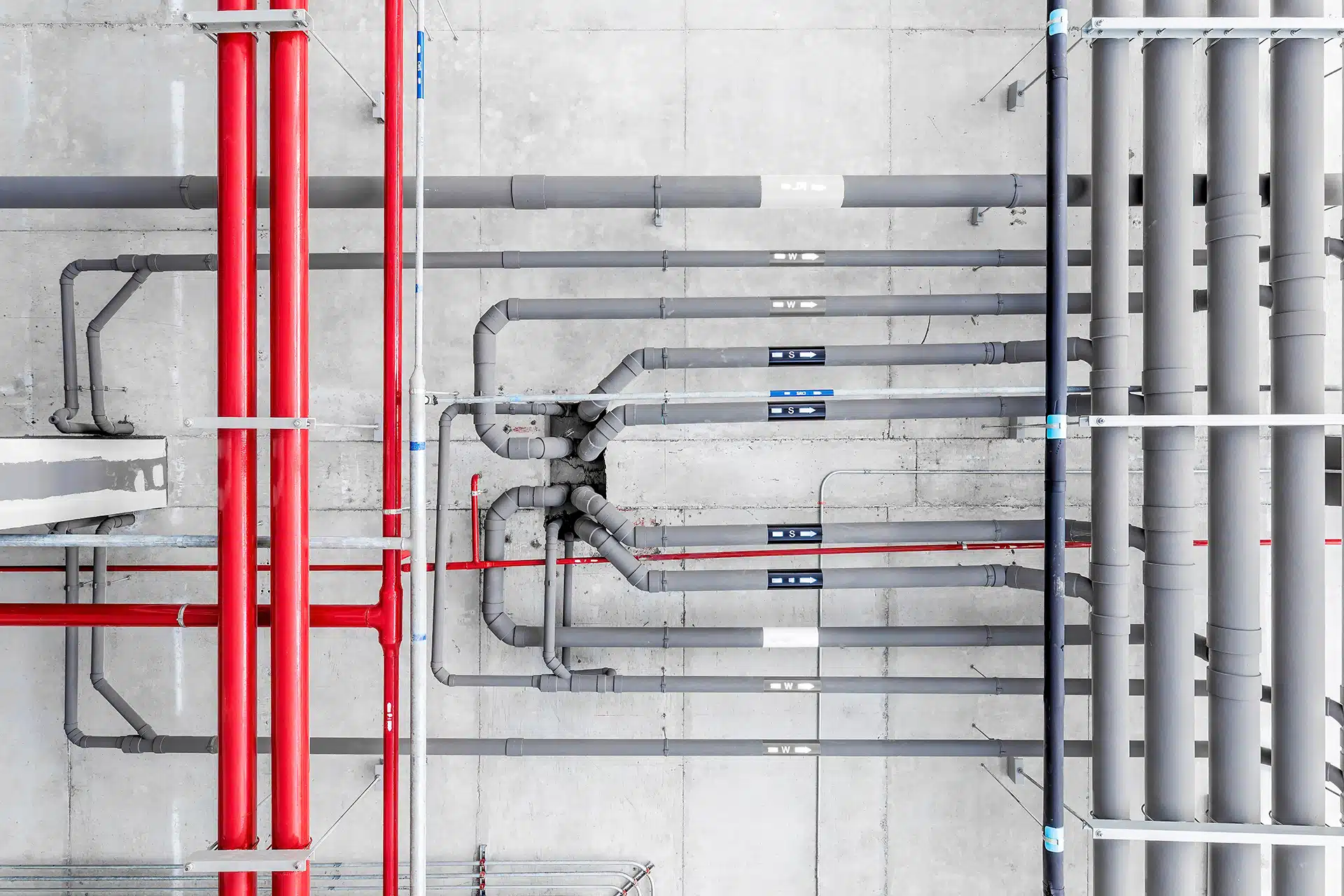
A thorough commercial HVAC energy audit goes far beyond simply checking thermostat settings. The process evaluates your entire mechanical system in the context of your building’s construction, usage patterns, and the demanding Florida climate. Here is what a comprehensive audit typically involves.
Equipment inventory and condition assessment. The auditor documents every piece of HVAC equipment in the building, including rooftop units, split systems, package units, air handlers, exhaust fans, and ductwork. Each unit is assessed for age, condition, efficiency rating, and remaining useful life. In Brevard County, where salt air and extreme heat take a toll on equipment, this assessment often reveals units operating well below their rated efficiency.
Energy consumption analysis. Using your utility bills from the previous 12 to 24 months, the auditor establishes a baseline of your building’s energy consumption patterns. This analysis identifies seasonal trends, peak demand periods, and any unusual consumption spikes that may indicate equipment problems or operational inefficiencies.
Building envelope evaluation. Your HVAC system does not operate in isolation. The building envelope, including walls, roof, windows, doors, and insulation, directly affects how hard your cooling system must work. The auditor evaluates insulation levels, window performance, air sealing, and solar heat gain to determine how much of your energy consumption is driven by building deficiencies versus equipment inefficiencies.
Controls and programming review. Many commercial buildings in Melbourne and Palm Bay have thermostats or building automation systems that are improperly programmed, overridden, or simply set to maintain comfort without regard for efficiency. The audit evaluates your control strategy, including occupied and unoccupied setpoints, scheduling, and zone balancing.
Ductwork inspection and testing. Commercial ductwork is often hidden above drop ceilings and can deteriorate significantly without anyone noticing. Duct leakage testing measures how much conditioned air is being lost before it reaches the occupied spaces. In Florida commercial buildings, duct leakage rates of 20 to 30 percent are not uncommon in older installations.
Indoor air quality assessment. While primarily an energy audit, the evaluation also considers ventilation rates and indoor air quality. The Florida Building Code specifies minimum outdoor air ventilation requirements for commercial spaces, and balancing energy efficiency with adequate ventilation is a critical consideration, especially in tightly sealed buildings.
Common Findings in Brevard County Commercial Buildings
Need help with remodeling?
Inlet Mechanical’s licensed techs serve Brevard & Indian River with fast, dependable service and free estimates.
Commercial HVAC energy audits in the Melbourne and Palm Bay area frequently uncover several recurring issues that drive up energy costs.
Oversized equipment. Many commercial buildings have HVAC systems that are larger than necessary for the actual cooling load. Oversized systems cycle on and off frequently, which wastes energy, reduces dehumidification, and shortens equipment life. In Florida, where humidity control is as important as temperature control, proper sizing is critical.
Deferred maintenance. Dirty coils, clogged filters, low refrigerant charges, and worn belts all reduce system efficiency. A condenser coil with just a thin layer of dirt can reduce system efficiency by 10 to 15 percent. When multiple maintenance issues combine, the cumulative efficiency loss can be dramatic.
Outdated equipment. HVAC technology has improved significantly over the past two decades. Units manufactured 15 or more years ago may have SEER ratings of 8 to 10, while current high-efficiency commercial units achieve SEER ratings of 16 to 20 or higher. The energy savings from upgrading to modern equipment often provide a return on investment within three to five years.
Poor zoning and balancing. Commercial spaces often have areas with very different cooling requirements. Server rooms, commercial kitchens, west-facing offices, and interior conference rooms all have distinct thermal loads. When the HVAC system treats the entire building as a single zone, some areas are overcooled while others remain uncomfortable.
Lighting and plug load heat gain. Older fluorescent lighting and inefficient office equipment generate significant heat that your HVAC system must remove. Upgrading to LED lighting not only reduces lighting energy costs but also reduces cooling costs by lowering the internal heat load.
Palm Bay homeowners needing plumbing help can reach our local Palm Bay FL plumber team for same-day service and upfront pricing.
Trusted Resources: The ENERGY STAR explains how SEER ratings affect energy costs and system performance. The ENERGY STAR certifies high-efficiency HVAC equipment that can reduce energy bills.
A commercial HVAC energy audit for your Florida business often pays for itself within a single cooling season by identifying inefficiencies that are invisible on a day-to-day basis. Call Inlet Mechanical at (321) 723-0858 to schedule an audit and get a clear picture of where your energy budget is going.
Related service: For energy audits, maintenance, and repair planning, visit our commercial HVAC services.
Frequently Asked Questions
Do commercial commercial systems require different maintenance than residential?
Yes, commercial systems are larger, more complex, and subject to stricter building codes and inspection requirements. They often run longer hours and serve more occupants, requiring more frequent maintenance. Florida commercial properties must also comply with ADA requirements, backflow prevention regulations, and occupancy-specific fixture counts.
How can I minimize business downtime during commercial hvac energy audit florida?
Scheduling work during off-hours or slow periods reduces disruption. A licensed contractor can often phase the work to keep portions of the building operational. Preventive maintenance contracts are the best strategy — catching issues early prevents the unplanned downtime that comes with emergency failures.
Is Inlet Mechanical licensed for commercial commercial work in Florida?
Yes, Inlet Mechanical holds Florida Mechanical HVAC License CMC1250858 and Florida Plumbing License CFC1433105. Our team has over 85 years of combined experience serving commercial, industrial, and residential clients throughout Brevard County. Call (321) 723-0858 for commercial service.
Return on Investment for Commercial HVAC Improvements
The findings from an energy audit are prioritized by cost, energy savings potential, and payback period. Low-cost or no-cost improvements, such as programming adjustments, filter replacement schedules, and sealing accessible duct leaks, can often reduce energy consumption by 5 to 15 percent with minimal investment.
Capital improvements, such as equipment replacement, building envelope upgrades, and control system installations, require larger investments but typically deliver the most significant long-term savings. In Florida, where cooling costs are high year-round, the payback periods for these improvements are shorter than in more temperate climates.
Several incentive programs can offset the cost of energy efficiency improvements for Brevard County businesses. Florida Power and Light offers commercial rebates for high-efficiency HVAC equipment, and federal tax incentives are available for qualifying energy efficiency upgrades under the Inflation Reduction Act provisions.
Inlet Mechanical provides commercial HVAC services throughout Melbourne, Palm Bay, and Brevard County, including energy audits, equipment replacement, and ongoing maintenance programs. Our team (License CMC1250858) works with businesses ranging from small retail spaces to large commercial facilities. We also support commercial properties with plumbing services across Brevard County. Contact our commercial HVAC division or call (321) 723-0858 to schedule a commercial energy audit and start reducing your building’s operating costs.
Related Reading
- Commercial Plumbing Code Compliance in Brevard County
- ADA Bathroom Remodel Requirements for Florida Homes
Also Read: ADA Bathroom Remodel Requirements for Florida Homes
For expert help with commercial HVAC energy audits in Florida, call Inlet Mechanical at (321) 723-0858.
If commercial hvac energy audit florida is affecting your facility, Inlet Mechanical can review the system, explain the commercial repair path, and help you prevent avoidable downtime.
Talk to a Licensed Inlet Mechanical Pro
Whether it’s a repair, an upgrade, or a question, our team is ready to help homeowners and businesses across Brevard & Indian River County.
Licensed FL Mechanical (CMC1250858) · 85+ years combined experience · Free, no-obligation estimates
Written & Reviewed By
Inlet Mechanical Team
The Inlet Mechanical team brings over 85 years of combined experience in HVAC, plumbing, and mechanical construction across Florida. Our licensed professionals hold Florida Mechanical HVAC License (CMC1250858) and Florida Plumbing License (CFC1433105), along with EPA Section 608 certifications. Based in Brevard County, we serve residential, commercial, and industrial clients with expert knowledge of Florida building codes, climate-specific HVAC solutions, and local plumbing requirements. Every article is reviewed by our licensed technicians to ensure accuracy and practical value for Melbourne-area homeowners and businesses.
Last Updated: July 28, 2026